Content
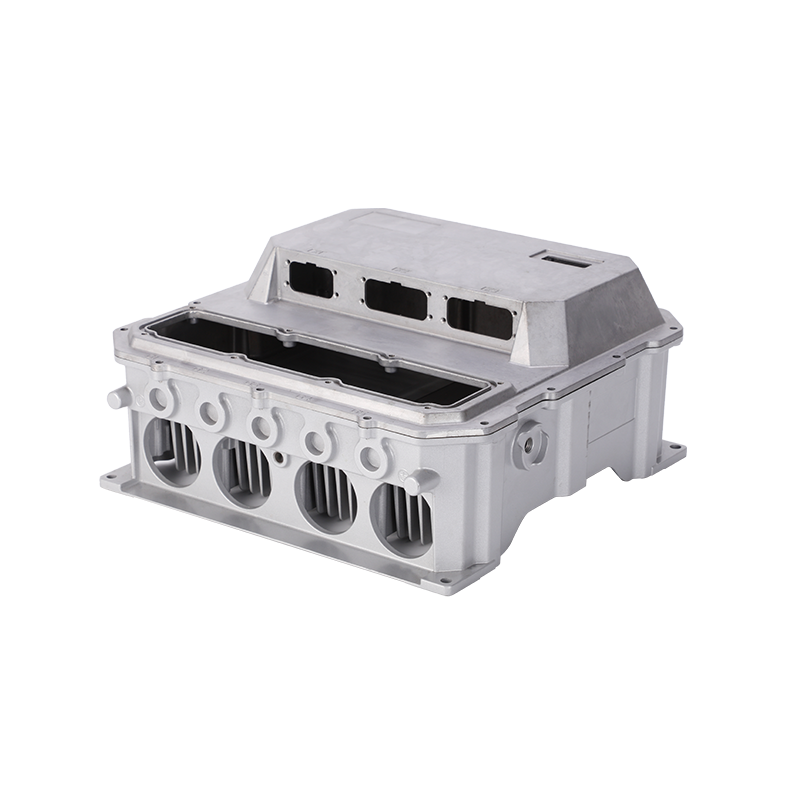
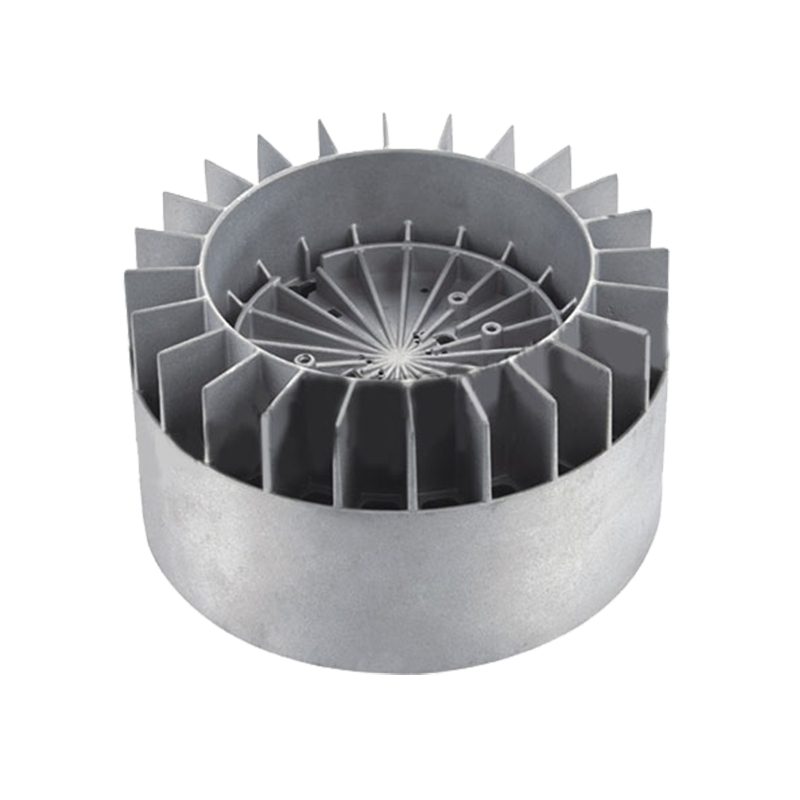
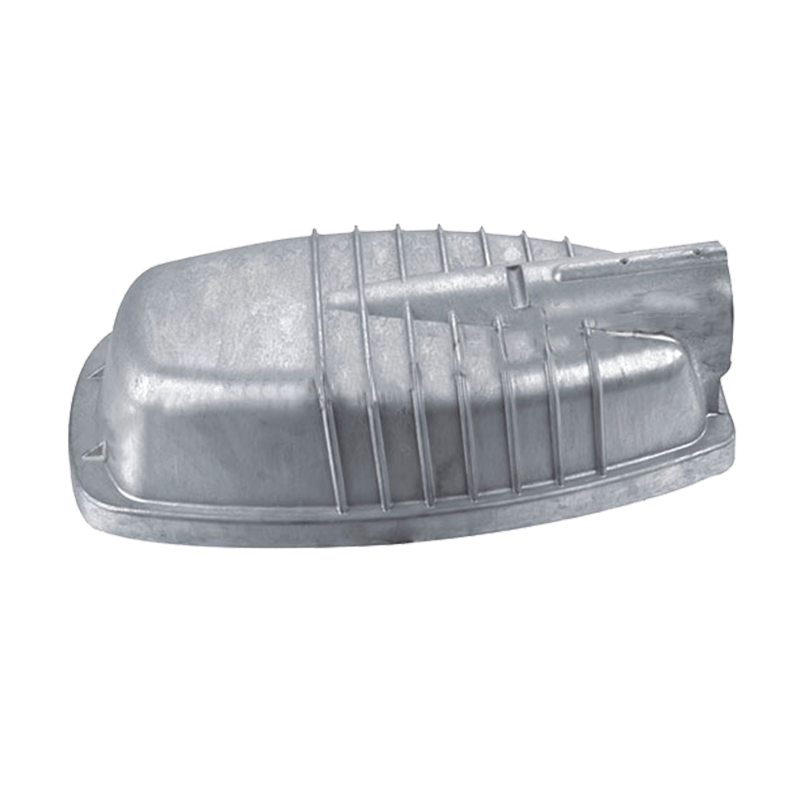
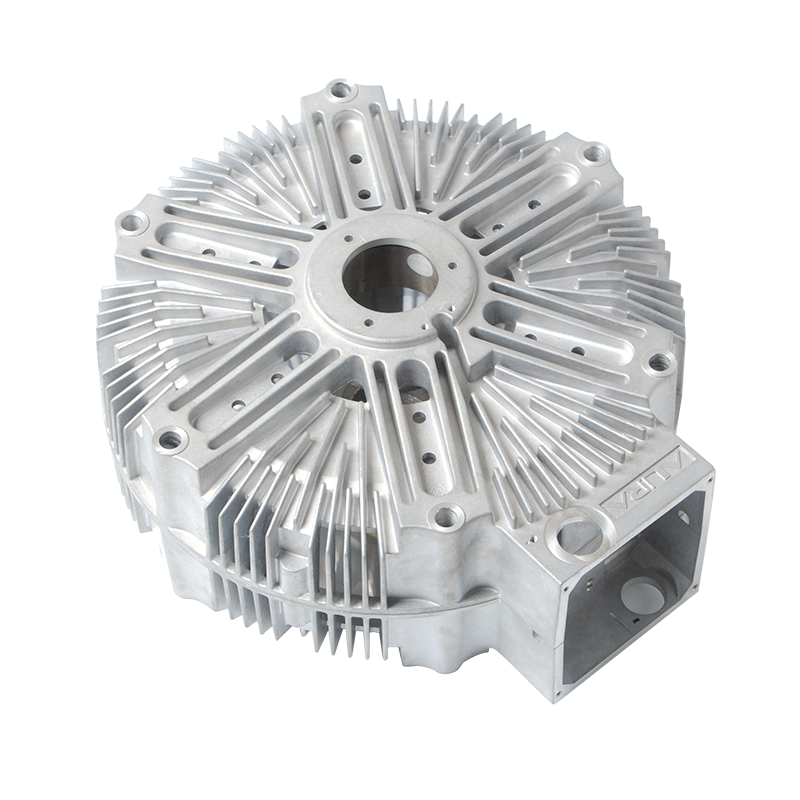
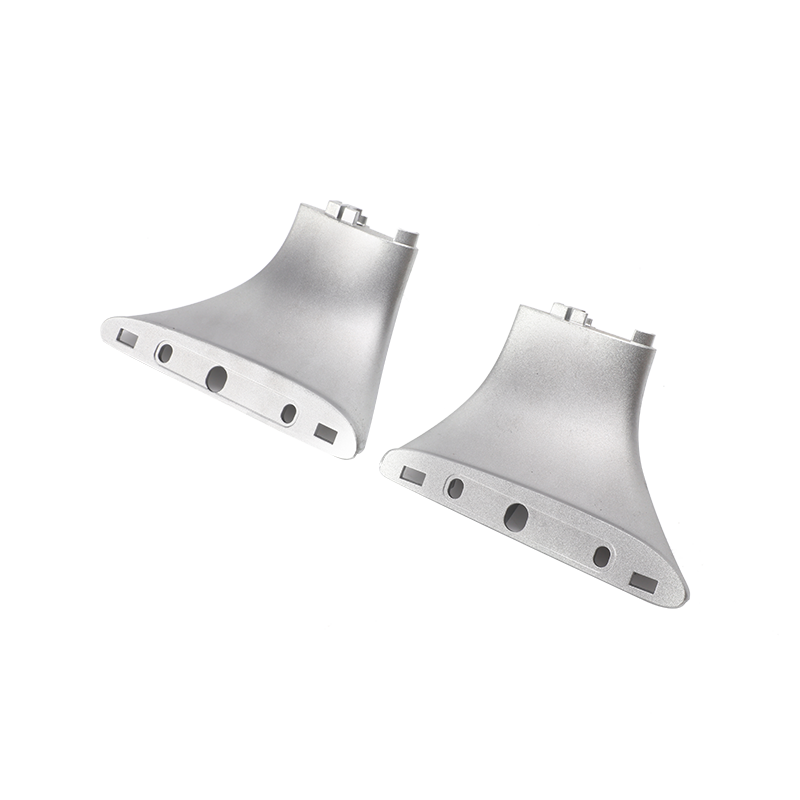
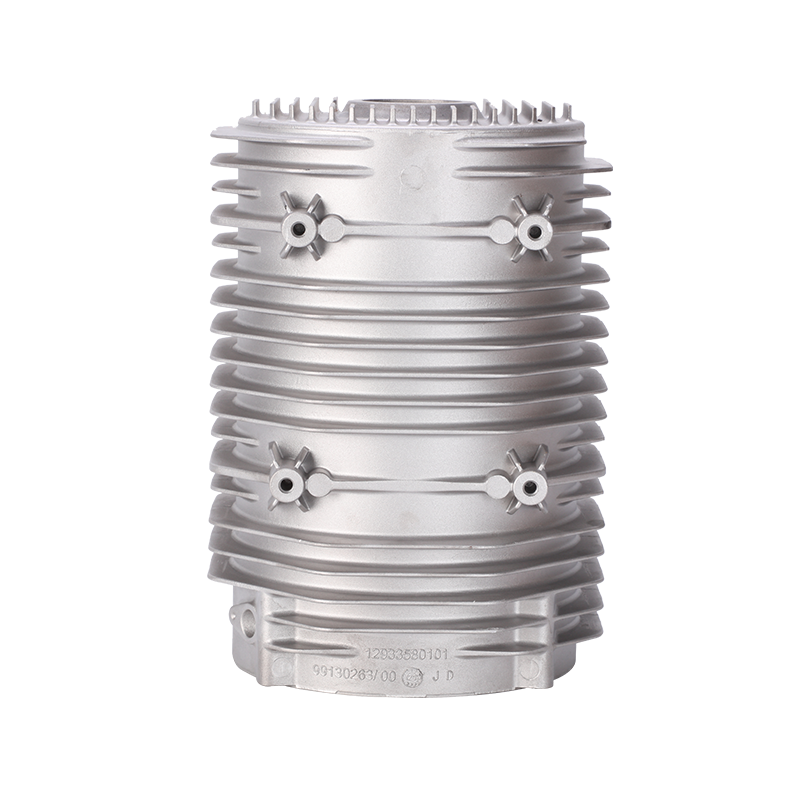
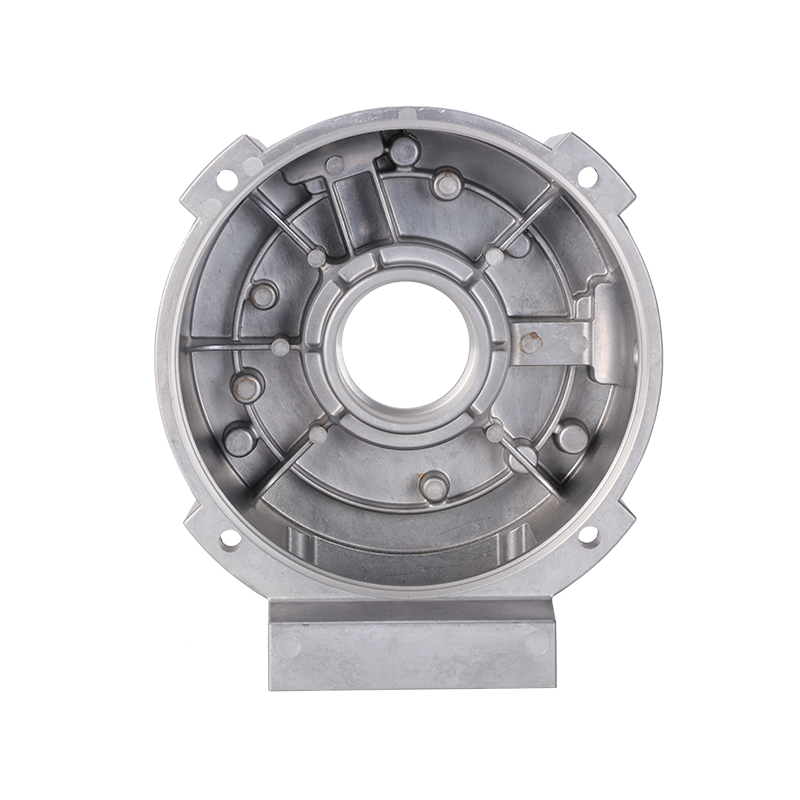
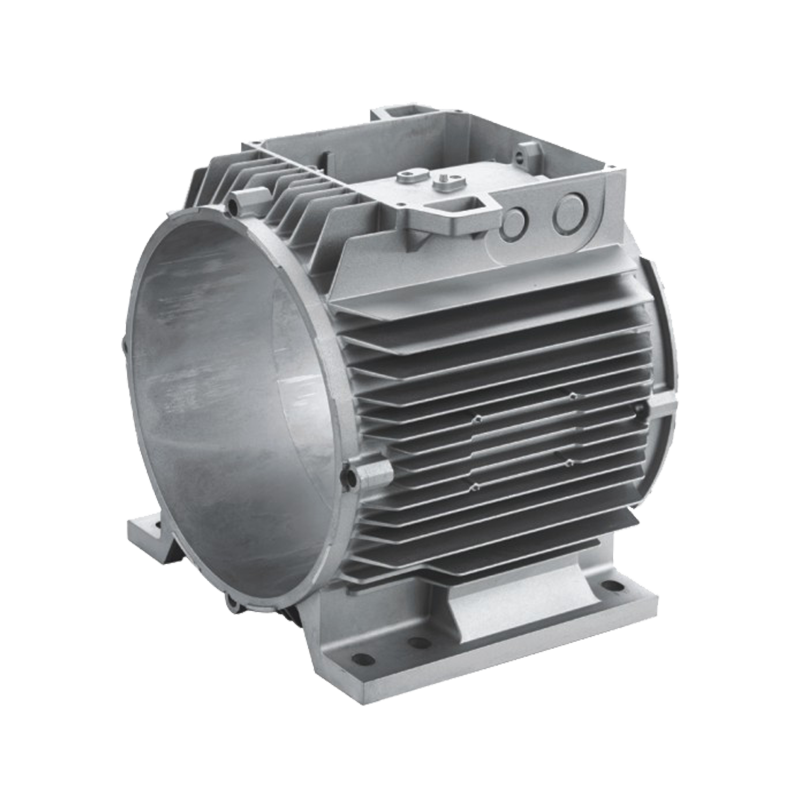
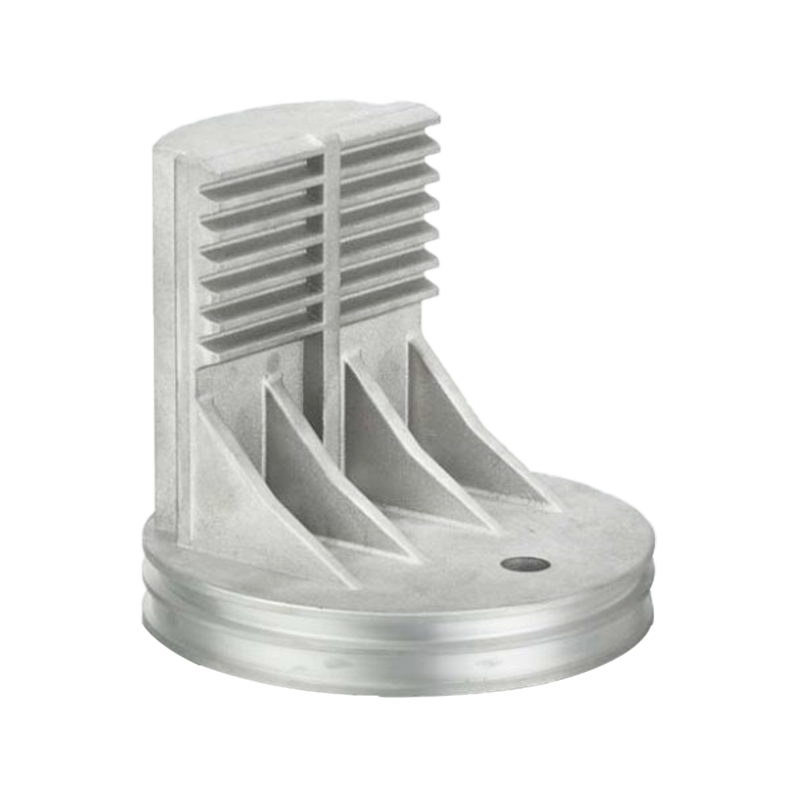
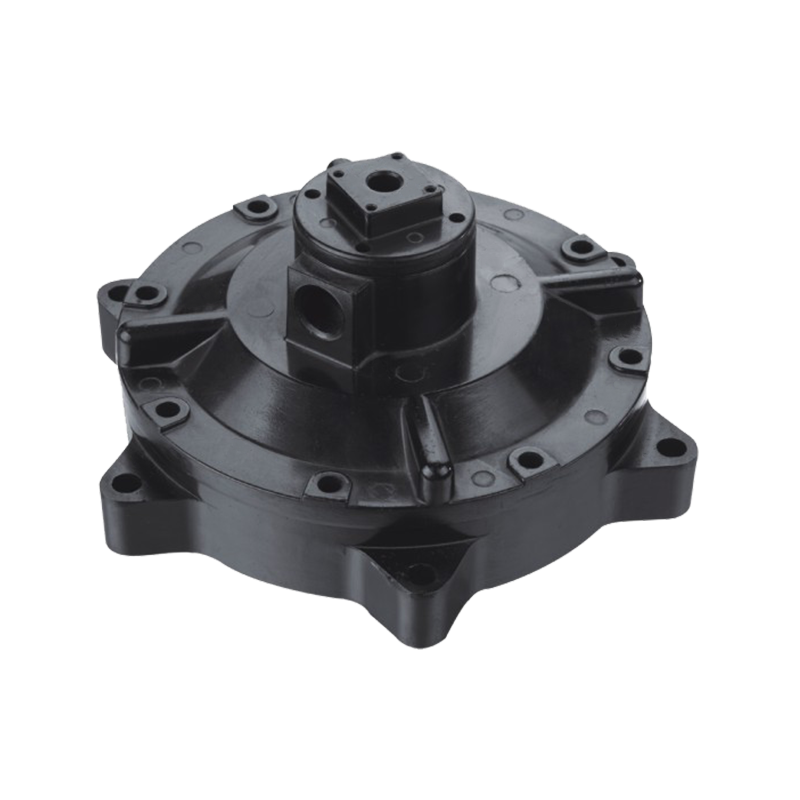
Auto part die casting represents the core application of aluminum alloy high-pressure casting technology in automotive manufacturing. Through precision molds, molten aluminum is rapidly filled and formed under high pressure to produce complex, dimensionally accurate, and smooth-surfaced housing and structural components in a single operation. Compared to traditional steel welded assemblies, aluminum die castings achieve weight reductions of 40% to 60%, establishing themselves as the dominant manufacturing process for critical components including engine blocks, gearbox housings, LED street light heat sinks, new energy automobile motor housings, and valve bodies. As an IATF16949-certified die casting manufacturer, Ningbo Jieda Molding & Machine Co., Ltd operates a series of Lijin automatic die casting machines ranging from 1600T to 200T alongside over 80 sets of precision CNC machining equipment, implementing closed-loop management from mold design to finished product delivery.
Aluminum die casting technology dominates the automotive industry due to its integrated advantages across material performance, forming efficiency, and cost control. Aluminum alloy density stands at merely 2.7g/cm³, less than one-third that of steel, enabling significant lightweighting in thin-walled structural parts such as gearbox housings and motor end covers. High-pressure casting achieves filling velocities of 30 to 60m/s, with single-piece production cycles typically ranging from 30 to 90 seconds, making it ideal for high-volume automated manufacturing. Die castings deliver dimensional precision of CT6 to CT8 and surface roughness of Ra3.2 to 6.3, requiring minimal machining allowance and yielding high material utilization rates.
| Comparison Factor | Aluminum Die Casting | Traditional Sand Casting | Steel Stamping & Welding |
| Single Part Weight | Reduced by 40% to 60% | Similar | Baseline |
| Minimum Wall Thickness | Achievable at 2.0mm | Typically above 4mm | Limited by stamping constraints |
| Dimensional Accuracy | CT6 to CT8 | CT10 to CT12 | Dependent on welding deformation control |
| Production Cycle Time | 30 to 90 seconds per part | Several hours per mold | Multiple process accumulation |
| Surface Roughness | Ra3.2 to 6.3 | Ra12.5 to 25 | Ra6.3 to 12.5 |
The data in the table demonstrates that aluminum die casting holds irreplaceable advantages in thin-walling, high precision, and rapid forming. Taking new energy automobile motor housings as an example, aluminum die casting enables wall thickness control within 2.5mm, reducing overall weight by approximately 45% compared to cast iron solutions. The integrated die casting process eliminates sealing risks associated with welding, while cooling water channels can be directly formed within the mold, enhancing motor thermal dissipation efficiency.
Auto part die casting applications now cover four major sectors: powertrain systems, transmission systems, chassis systems, and body structures. In engine systems, aluminum die cast pistons, cylinder head covers, and intake manifolds effectively reduce reciprocating mass and improve fuel economy. In transmission applications, gearbox housings constructed from die cast aluminum not only reduce assembly weight but also leverage superior thermal conductivity to facilitate gear oil cooling and extend lubricant replacement intervals.
The rapid development of new energy vehicles has opened new growth opportunities for die casting technology. Motor housings, battery pack end plates, and controller enclosures predominantly adopt aluminum die casting solutions. Motor housings, for instance, require integrated cooling water channels and mounting shoulders internally, featuring complex structures with high sealing demands. Die casting enables one-shot forming of water channel profiles, reducing machining operations and leakage risks. Furthermore, cross-industry applications such as LED street light heat sinks and pneumatic valve bodies draw upon mature automotive die casting expertise, utilizing aluminum's high thermal conductivity coefficient for efficient heat dissipation.
| Application System | Typical Die Cast Parts | Material Grade | Core Performance Requirements |
| Engine System | Pistons, Cylinder Head Covers, Oil Pans | A380, ADC12 | High-Temperature Strength, Wear Resistance |
| Transmission System | Gearbox Housing, Clutch Housing | A380, AlSi10MnMg | Rigidity, Sealing, Thermal Conductivity |
| New Energy Powertrain | Motor Housing, Battery End Plates | AlSi10MnMg, A365 | Thermal Conductivity, EMI Shielding, Airtightness |
| Chassis System | Steering Knuckles, Control Arm Brackets | A356, AlSi7Mg | Fatigue Strength, Impact Toughness |
| Body Structure | A-Pillar Joints, Shock Towers | AlSi10MnMg | Crash Energy Absorption, Connection Reliability |
Notably, breakthroughs in integrated die casting technology have enabled Tesla Model Y rear floor assemblies and similar ultra-large structural components to be formed in a single casting operation. This approach consolidates over 70 individual stamped and welded parts into one die casting, significantly simplifying supply chains and assembly processes. This trend indicates that die casting technology is evolving from single-component manufacturing toward large-scale integrated structural parts.
High-quality auto part die casting depends on systematic coordination among mold design, casting parameters, and post-processing operations. During the mold design phase, gate positioning, venting channels, and cooling circuit layout directly determine filling completeness and internal porosity rates. Integrated CAD/CAE/CAM design platforms enable virtual simulation of aluminum flow, solidification shrinkage, and thermal stress distribution, allowing early identification of defect risks including gas entrapment, cold shuts, and hot cracking.
Precision control of die casting parameters is equally critical. For 1600-ton class automatic die casting machines, typical process windows include: molten aluminum temperature 680 to 720°C, mold temperature 180 to 240°C, injection pressure 60 to 100MPa, with high-speed switching positions precisely set according to part wall thickness. Excessive aluminum temperature increases oxide inclusion and die soldering tendencies, while insufficient mold temperature leads to cold shuts and surface flow marks. Consequently, coordinated control between mold temperature units and die casting machines forms the foundation for batch consistency.
Post-processing operations encompass gate removal, heat treatment, precision machining, and surface finishing. T6 heat treatment significantly enhances the tensile strength of A356 material from approximately 180MPa in the as-cast condition to over 310MPa. For sealing-critical components such as gearbox housings and valve bodies, 100% leak testing is mandatory, with helium mass spectrometry leak detectors capable of identifying micro-leaks at levels of 1×10⁻⁵Pa·m³/s.
While aluminum alloys dominate automotive large structural components, zinc die casting maintains unique value in small precision parts. Zinc alloy melting point is approximately 420°C, substantially lower than aluminum alloys, resulting in reduced thermal loading on molds and extended die life reaching 500,000 to 1,000,000 cycles, compared to 100,000 to 200,000 cycles before major overhaul for aluminum die casting molds. Zinc die castings achieve higher dimensional precision at CT4 to CT5 levels, with surfaces suitable for direct decorative chrome plating, commonly applied to automotive door lock mechanisms, decorative emblems, and precision connectors in small-batch, high-value-added applications.
However, zinc alloy density of 6.7g/cm³ is approximately 2.5 times that of aluminum, limiting its application in lightweight-driven automotive primary structures. Therefore, die casting manufacturers typically make material selection decisions between aluminum and zinc based on part dimensions, weight targets, and functional requirements: large housings and structural components prioritize aluminum alloys, while small precision transmission components and decorative parts may consider zinc die casting mould solutions.
When selecting auto part die casting suppliers, evaluation across three dimensions is recommended: quality systems, equipment capabilities, and technical teams. First, IATF16949 certification serves as the entry threshold for automotive supply chains, requiring suppliers to implement risk management across design development, production, and service processes. Second, die casting machine clamping force tonnage determines the maximum projected area of producible parts; 1600-ton class equipment covers most gearbox housings and motor housings, while ultra-large integrated structural components require machines above 6000 tons.
In-house mold design capability represents another core indicator. Manufacturers equipped with over 80 CNC machining centers, EDM machines, and wire cutting equipment can complete the full process of mold design, machining, assembly, and trial production on-site, shortening new product development cycles. Additionally, laboratory configurations featuring spectrometers, X-ray inspection systems, and coordinate measuring machines ensure complete data traceability from raw material receipt through finished product shipment.
ARE YOU READY TO COOPERATE WITH jieda?
* Your email is safe with us, we don’t spam.

PRODUCTS
CONTACT INFO
nbjd011@126.com
+86-574-86115705
No. 58 Mould Road, Daqi Technology Industrial Zone, Beilun District, Ningbo

 English
 Español
 italiano