Content
Aluminum alloys, mainly A380 and ADC12, are the top pick for most automotive die casting work because they combine light weight, strong thermal conductivity, corrosion resistance and easy mold filling in one material. Zinc alloys take over where tight tolerances and long tool life matter most, and magnesium is gaining ground on new energy automobile parts where every gram counts. The right choice always comes back to the part's job, its operating temperature, and its production volume.
A professional die casting manufacturer producing gearbox housing units, motor parts, pistons, valves and new energy automobile parts almost always starts the material conversation with aluminum. It is roughly a third the density of steel, conducts heat well enough to serve as a natural heat sink, and resists corrosion without heavy coating requirements. Aluminum die casting alone accounts for more than half of global die casting output by volume, and that share keeps climbing as automakers chase lighter platforms.
Two aluminum grades handle most of that volume. A380 is the benchmark across North America and Europe. ADC12, the Japanese equivalent of A383, leads production across Asian factories. Both share a similar silicon-based chemistry, but small differences in copper and silicon content shift where each one performs best.
A380 earns its reputation on medium-to-large structural parts such as gearbox housing shells, engine brackets and transmission covers. Its high silicon content keeps molten metal flowing smoothly into complex cavities, which limits porosity and shrinkage even on thicker sections.
| Tensile Strength | Approximately 320 MPa |
| Yield Strength | Approximately 160 MPa |
| Density | 2.71 g per cubic centimeter |
| Melting Range | 540 to 595 degrees Celsius |
| Thermal Conductivity | 96 W per meter-kelvin |
A380 also machines cleanly, which matters for auto parts that need CNC finishing after casting, such as sealing surfaces on an oil pan or mounting faces on a motor housing.
ADC12 carries slightly more silicon and less copper than A380, which translates into better fluidity for thin-walled, geometrically demanding parts. Motor parts, small electronics enclosures and battery housings for new energy automobile parts often specify ADC12 because it holds dimensional accuracy over long production runs, cutting down on rework during machining.
| Best suited for | Thin-wall, complex geometry parts |
| Fluidity | Excellent |
| Machinability | Very good |
| Standard reference | JIS, common across Asian manufacturing |
| Typical parts | Motor covers, inverter housings, gear casings |
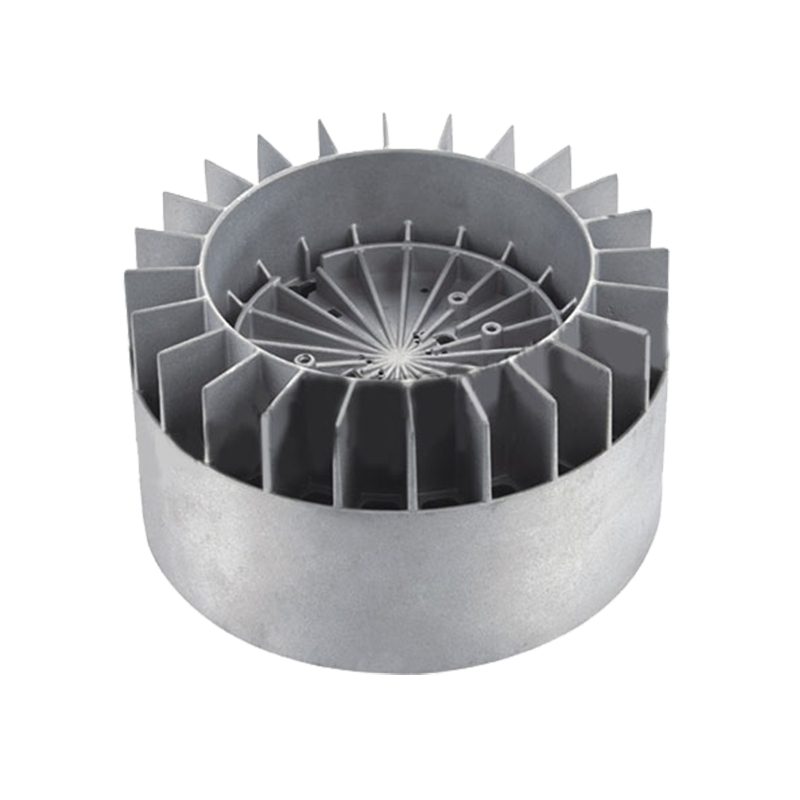
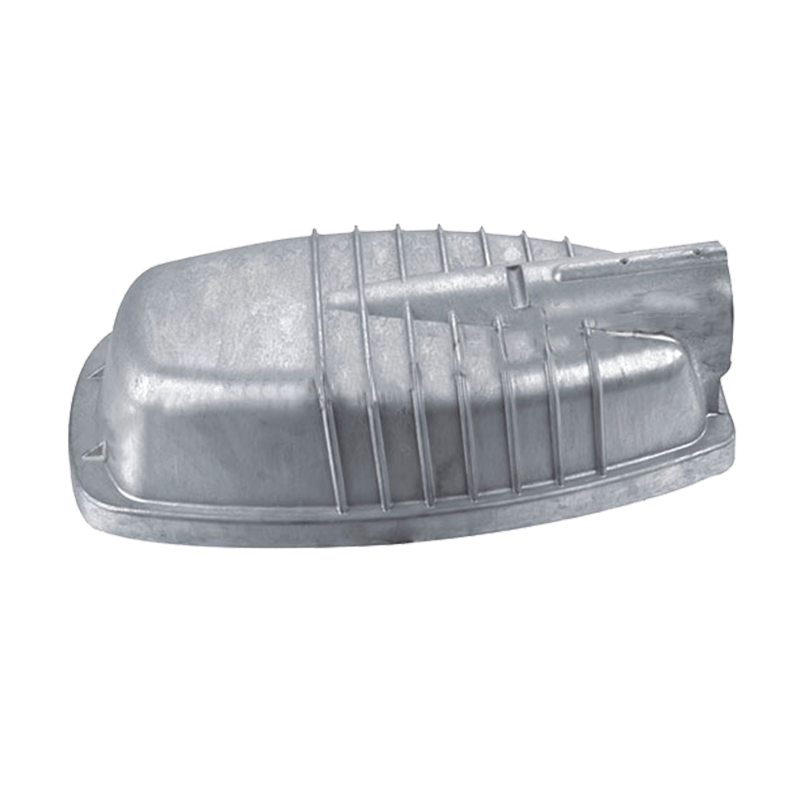
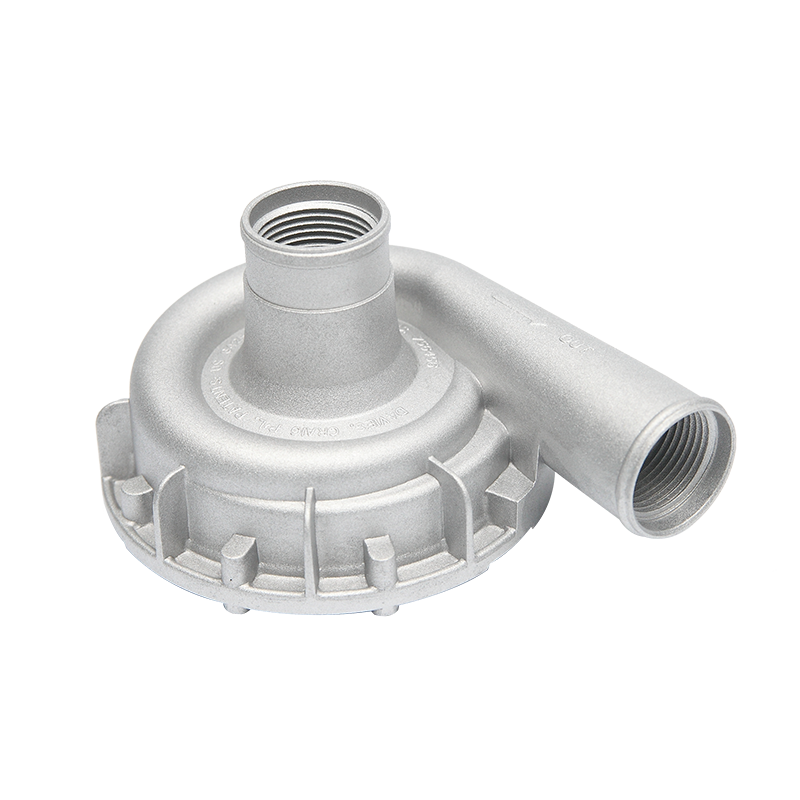
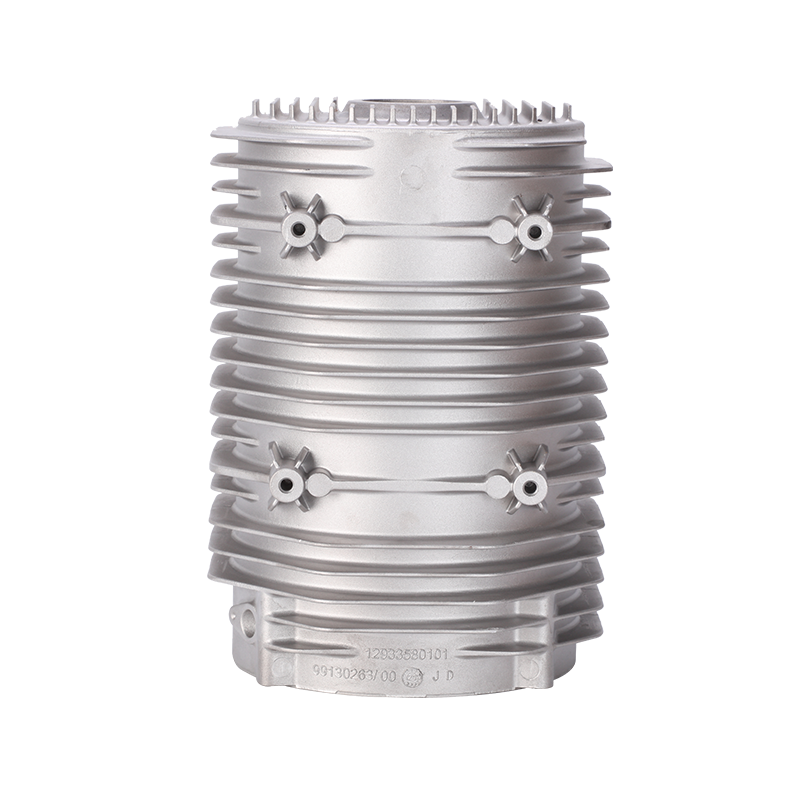
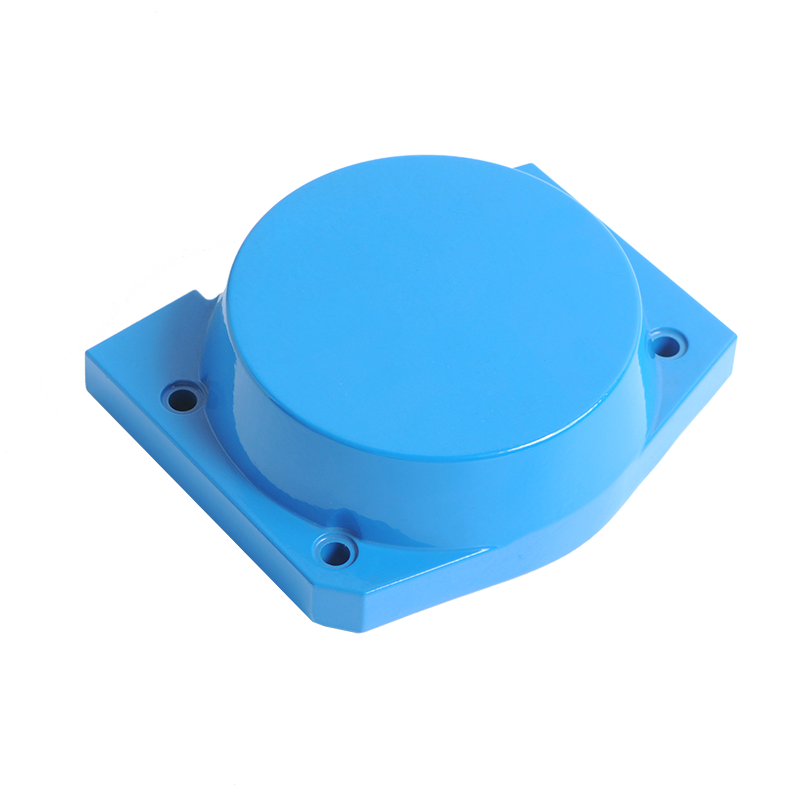
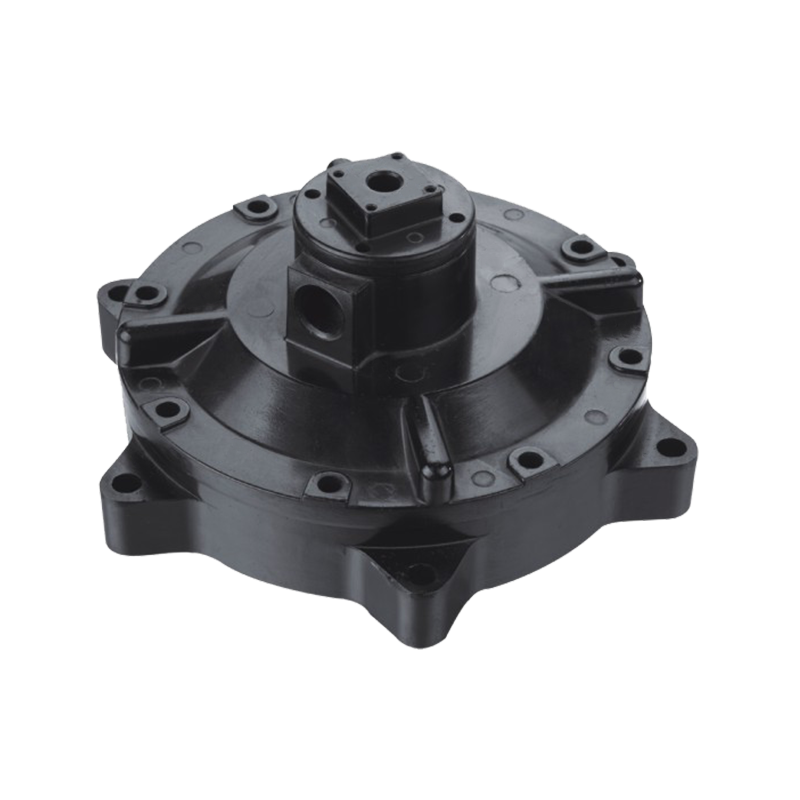
A snapshot of aluminum and zinc die casting components produced across automotive, motor and lighting applications, each engineered for its specific alloy and load requirement.
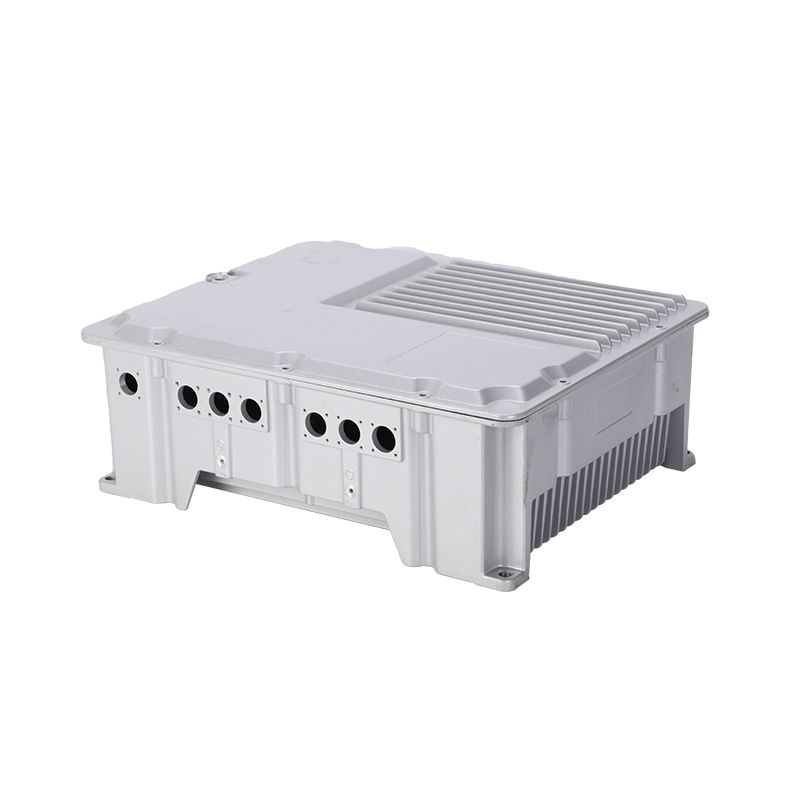
Control Box Housing
New Energy Automobile Parts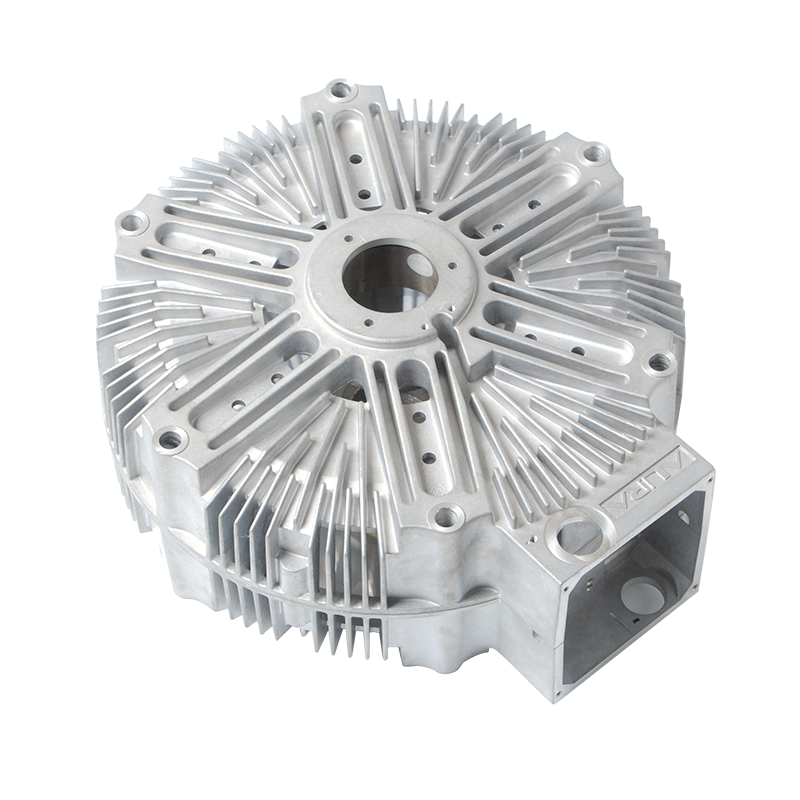
Motor Housing
Auto Parts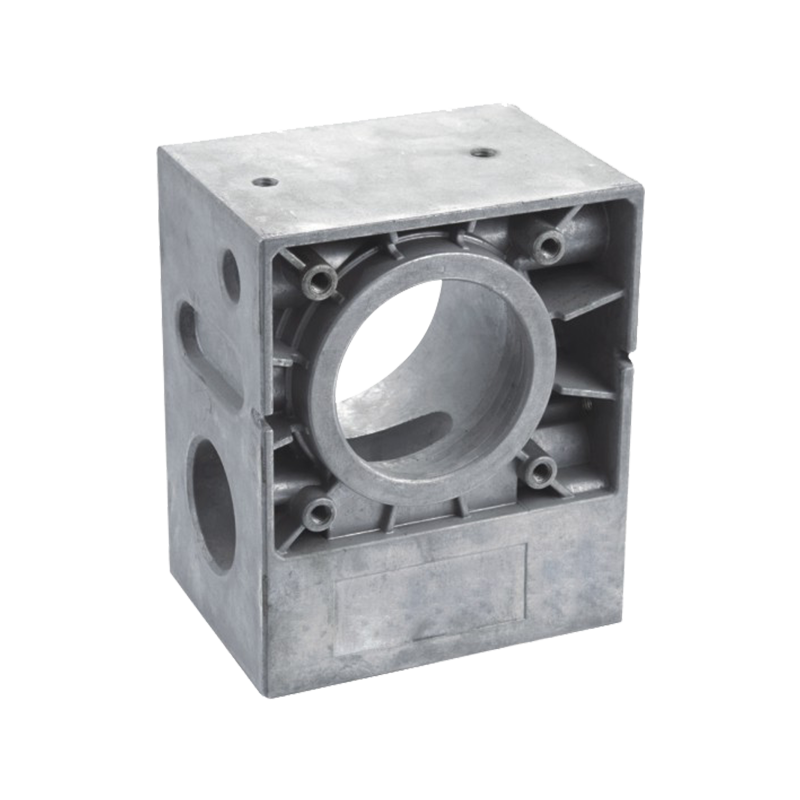
Gearbox Housing
Gearbox Housings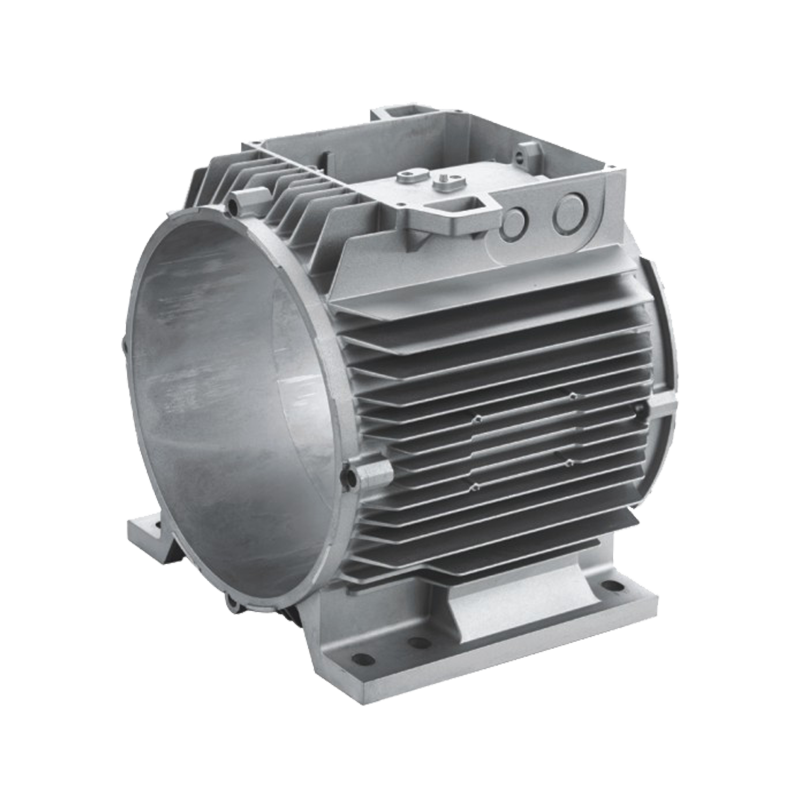
Stator Frame Housing
Motor Parts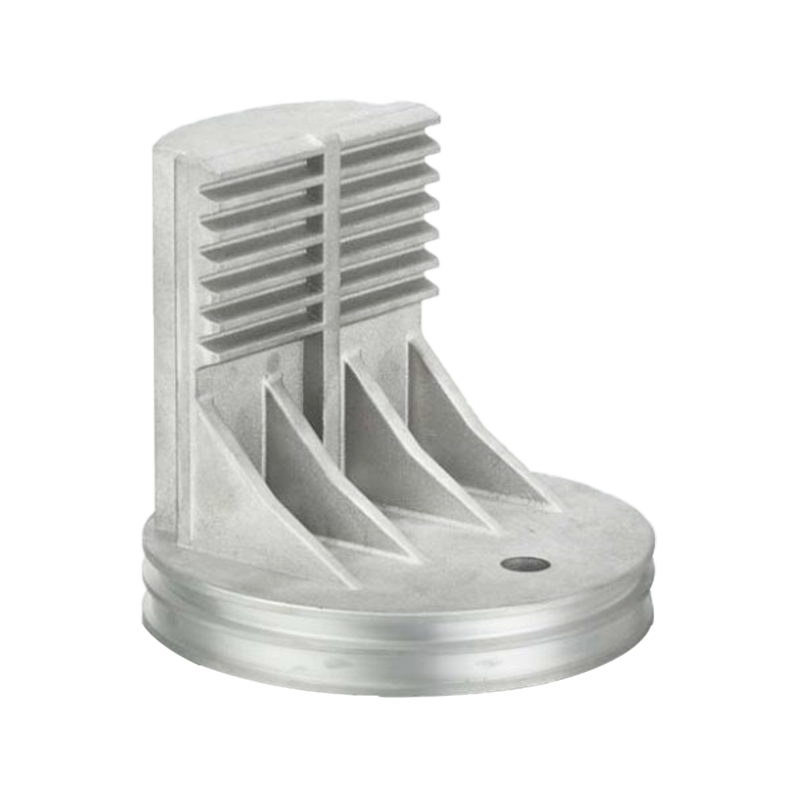
Anodized Pistons
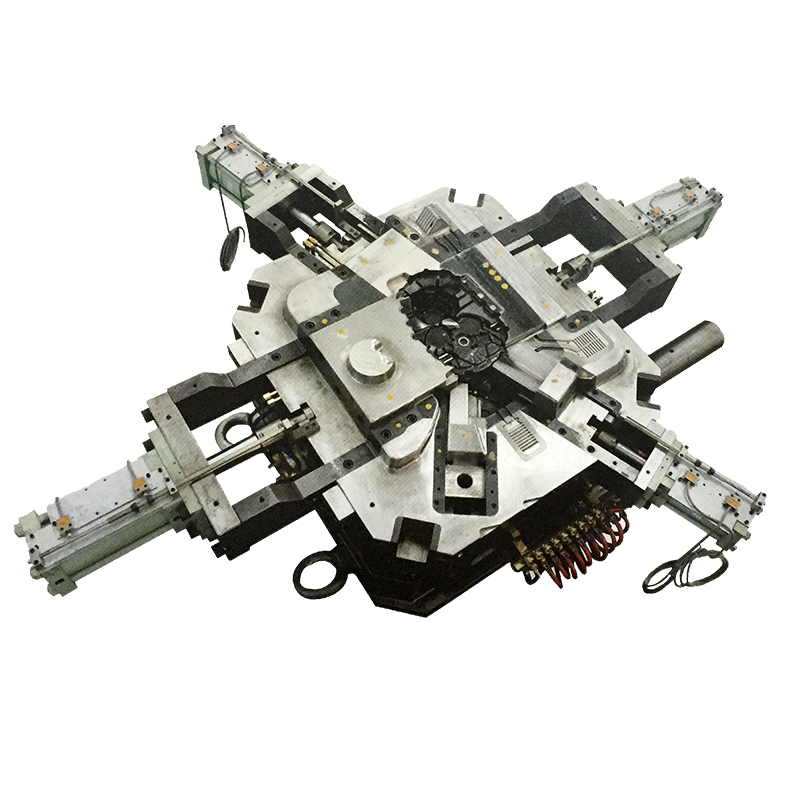
Pistons And End CapsZinc alloys, commonly from the Zamak family, step in when a part needs tighter tolerances, a finer surface finish, or a longer-lasting mold. A zinc die casting mould can outlast an equivalent aluminum tool by a wide margin because zinc melts at a much lower temperature, which reduces thermal stress on the cavity with every cycle.
| Yield Strength | Around 2.5 times higher than typical aluminum grades |
| Hardness (EZAC alloy) | Approximately 125 BHN |
| Hardness (standard aluminum) | 70 to 85 BHN |
| Main limitation | Higher part density and weight |
| Typical uses | Small valves, connectors, door handle mechanisms |
The tradeoff is weight. Zinc parts are noticeably heavier than aluminum equivalents, which is why zinc tends to stay in small, precision hardware rather than large structural components on lightweight-focused platforms.
Magnesium is the lightest structural die casting metal available, and its role in new energy automobile parts keeps expanding. AZ91D remains the most common and most castable magnesium grade. Against aluminum, magnesium can shave off another 20 to 30 percent in component weight, which matters directly for driving range in electric platforms.
The catch is process control. Magnesium oxidizes more easily during casting and needs surface treatment to match aluminum's corrosion resistance. It also runs at a higher material cost, so it tends to appear only in weight-critical items like battery trays and select motor parts rather than across the whole vehicle.
| Gearbox housing | A380 aluminum | Structural strength and heat resistance |
| Motor parts for EVs | ADC12 or AZ91D magnesium | Light weight and dimensional precision |
| Pistons | A380 or A390 | High silicon content for wear resistance |
| Valves and connectors | Zamak 3 or Zamak 5 | Precision and tight tolerances |
| LED street light housing | ADC12 or A380 | Thermal dissipation in thin-wall casting |
| New energy automobile parts | ADC12 or AZ91D magnesium | Weight saving with corrosion resistance |
Alloy selection is only half the equation. Production consistency separates a dependable die casting manufacturer from the rest of the field. High-pressure die casting typically runs between 1,000 and 30,000 psi depending on part geometry and alloy, so machine capability has to match the job. Look for coordinate measuring machine inspection, material certification, and PPAP documentation as baseline requirements for automotive-grade work.
For new energy automobile parts specifically, porosity control and pressure tightness carry extra weight, since many of these components sit close to high-voltage systems or coolant lines. A supplier that manages mold design, aluminum die casting, machining and surface treatment under one roof usually delivers steadier quality than one that outsources steps along the way.
There is no single alloy that wins every application. Aluminum grades such as A380 and ADC12 cover the bulk of auto parts by both volume and value. Zinc die casting mould applications hold their ground on small, precision hardware that needs a long-lasting tool. Magnesium is the rising option for the most weight-sensitive new energy automobile parts. Getting this right starts with defining the part's load, temperature and tolerance requirements, then choosing a die casting manufacturer capable of executing that alloy correctly from tooling through final inspection.
ARE YOU READY TO COOPERATE WITH jieda?
* Your email is safe with us, we don’t spam.

PRODUCTS
CONTACT INFO
nbjd011@126.com
+86-574-86115705
No. 58 Mould Road, Daqi Technology Industrial Zone, Beilun District, Ningbo

 English
 Español
 italiano