Content
When it comes to automotive die casting, aluminum alloys — particularly A380 and ADC12 — dominate the industry. They deliver an unmatched combination of lightweight strength, thermal conductivity, corrosion resistance, and castability. For a professional die casting manufacturer producing gearbox housings, motor parts, pistons, valves, and new energy automobile parts, aluminum is the default starting point. Zinc die casting mould applications and magnesium alloys each serve specific niches, but aluminum commands over 55% of total die casting volume globally.
A380 is the most widely used aluminum die casting alloy in North America and is recognized worldwide. It offers a best-in-class balance of castability, mechanical strength, and corrosion resistance — making it the go-to alloy for medium-to-large structural auto parts such as engine brackets, transmission housings, gearbox housing covers, and oil pans. Its compatibility with CNC post-machining makes it equally attractive for export-oriented auto parts suppliers.
A380 Key Properties at a Glance
| Property | Value |
|---|---|
| Tensile Strength | ~320 MPa |
| Yield Strength | ~160 MPa |
| Density | 2.71 g/cm³ |
| Melting Range | 540–595°C |
| Thermal Conductivity | 96 W/m·K |
A380's high silicon content ensures excellent fluidity in the mold, reducing porosity and shrinkage defects even in complex cavities. It also anodizes well for functional finishes, though cosmetic anodizing requires a low-silicon variant like Alloy 518.
ADC12 (the Japanese JIS equivalent of A383) is the most commonly used aluminum die casting alloy in Chinese and Japanese production facilities. It carries slightly higher silicon and lower copper content than A380, giving it marginally better castability and fluidity — ideal for thin-walled, geometrically complex components like small auto parts, precision mechanical parts, and electronics housings.
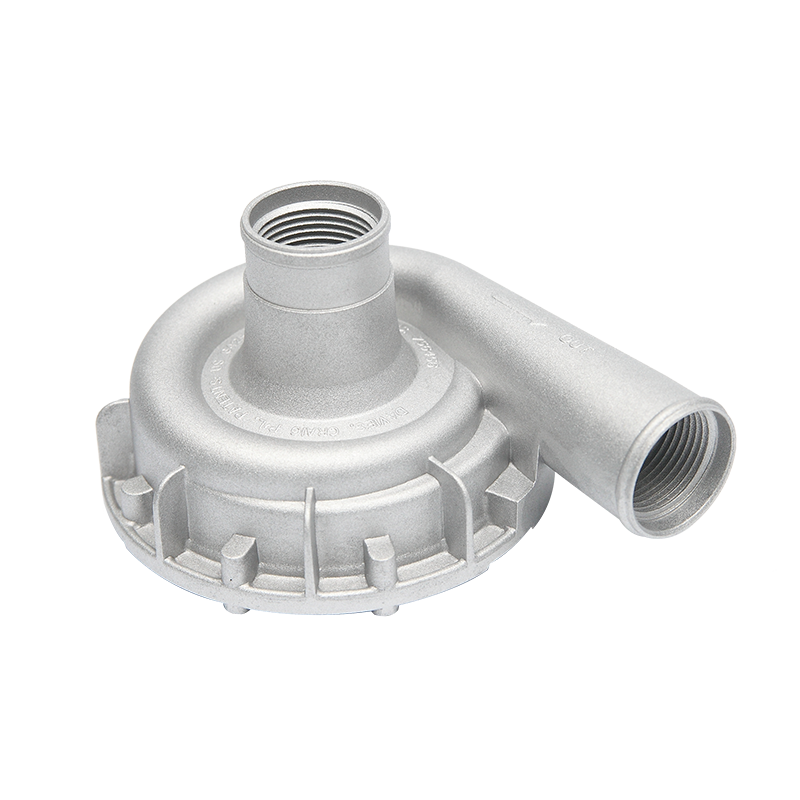
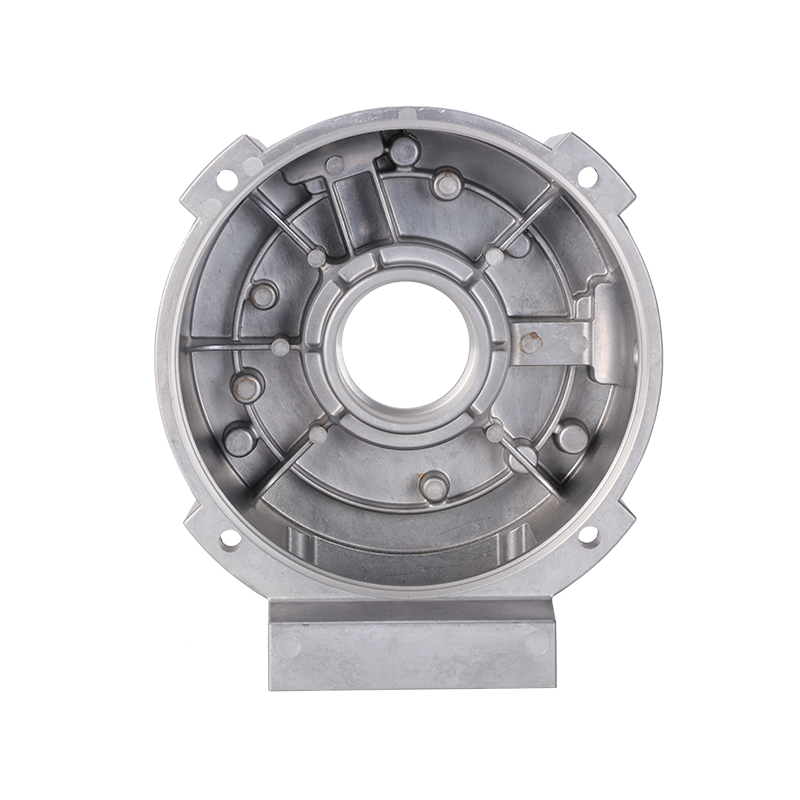
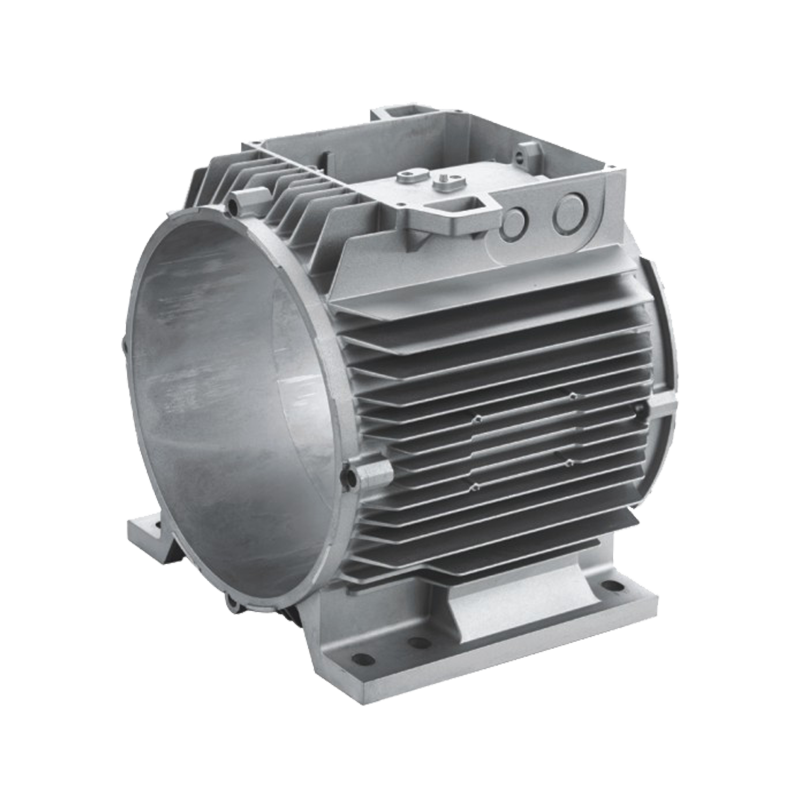
Leading aluminum die casting manufacturers rely on ADC12 for components such as oil pump housings, gear casings, motor engine covers, transmission castings, and crankcase shells. Its dimensional stability reduces CNC machining challenges in high-volume runs, making it a cost-effective choice for new energy automobile parts including battery enclosures and inverter housings.
ADC12 vs A380: Quick Comparison
| Criteria | ADC12 (A383) | A380 |
|---|---|---|
| Best For | Thin-wall, complex parts | Medium-large structural parts |
| Fluidity | Excellent | Very Good |
| Machinability | Very Good | Good |
| Global Recognition | Asia-centric (JIS) | Global (ASTM/ISO) |
| Porosity in Thick Sections | Moderate | Lower |
Zinc alloys — most commonly the ZAMAK family (Zamak 3, 5, and 7) — are the second major material category in automotive die casting. They are particularly suited to small, intricate, and precision-critical components where close tolerances and surface finish matter. Zinc die casting mould tooling outlasts aluminum tooling considerably, making zinc attractive for very high-volume production runs.
Two zinc die casting alloys have yield strengths approximately 2.5 times higher than typical aluminum alloys. The EZAC alloy reaches a Brinell Hardness of around 125 BHN, compared to 70–85 BHN for standard aluminum alloys. Zinc also has a significantly lower melting point than aluminum, consuming less energy per cycle and reducing wear on the die casting mould. Automotive applications include small valves, connectors, door handle mechanisms, and decorative hardware.
The primary limitation for zinc in automotive die casting is density — zinc parts are noticeably heavier than aluminum equivalents, a drawback as automakers push for lighter vehicles to meet fuel efficiency and range targets, especially in new energy automobile parts applications.
Magnesium is the lightest structural metal available for die casting, and its role in new energy automobile parts is growing fast. Alloy AZ91D is the most widely used and most castable commercial magnesium die casting alloy. Compared to aluminum, magnesium offers 20–30% additional component weight reduction — a major advantage for electric motor parts, battery trays, and structural panels in NEV platforms.
However, magnesium alloys require more careful process control due to their oxidation sensitivity, and they can be less corrosion-resistant without proper surface treatment. Compared to aluminum, magnesium is also softer, less dimensionally stable, and typically more expensive. These factors limit its use to performance-critical, weight-sensitive applications rather than general automotive die casting.
AlSi9Cu3 is a European-standard aluminum alloy widely used by automotive die casting manufacturers for demanding powertrain components: oil pump housings, connected gear casings, gearbox housing shells, crankcase bodies, and motor engine covers. Its key advantage is good creep resistance — meaning it maintains dimensional stability at elevated operating temperatures, a critical requirement for components near internal combustion engines or EV motor assemblies. The silicon content also enhances corrosion resistance, making AlSi9Cu3 well-suited for both conventional and new energy vehicle platforms.
| Auto Part | Recommended Alloy | Reason |
|---|---|---|
| Gearbox housing | A380 / AlSi9Cu3 | Structural strength, heat resistance |
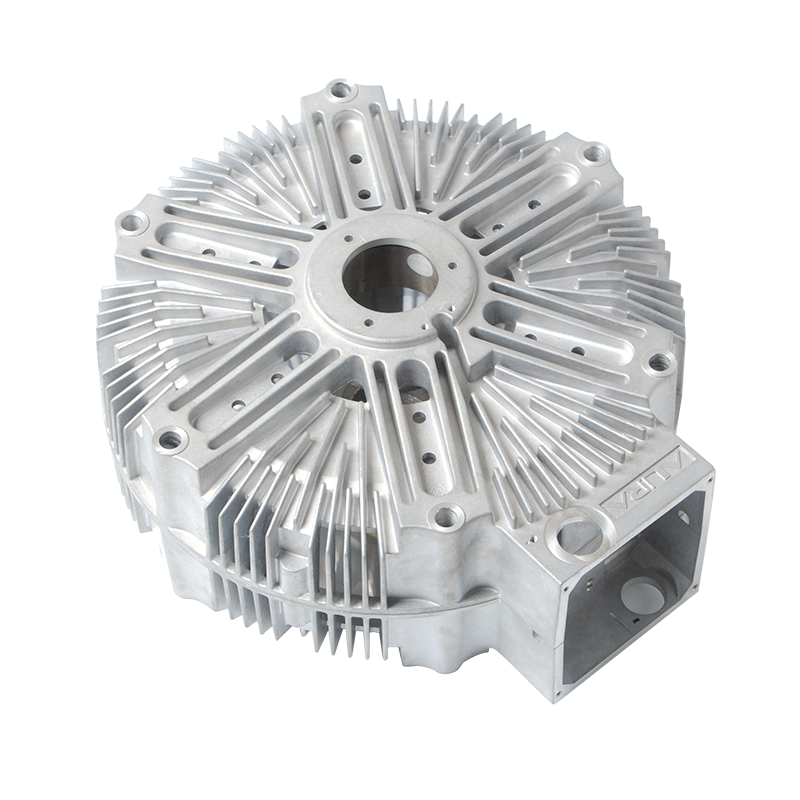
| Motor parts (EV) | ADC12 / AZ91D (Mg) | Lightweight, dimensional precision |
| Pistons | A380 / A390 | High silicon for wear resistance |
| Valves & connectors | Zamak 3 / Zamak 5 | Precision, tight tolerances, hardness |
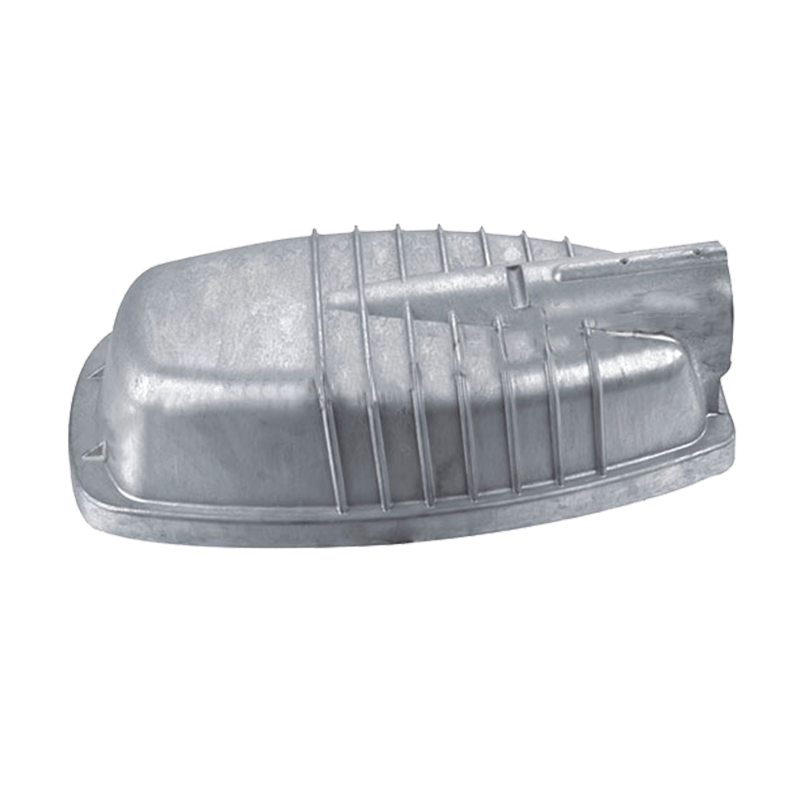
| LED street light housing | ADC12 / A380 | Thermal dissipation, thin-wall casting |
| NEV battery enclosures | ADC12 / AZ91D | Weight saving, corrosion resistance |
| Structural brackets | A380 | Strength-to-weight, machinability |
Beyond alloy chemistry, production consistency is what separates reliable die casting manufacturers from the rest. High-pressure die casting (HPDC) pressures typically range from 1,000 to 30,000 psi depending on the part geometry and alloy selected. Dimensional inspection via CMM (Coordinate Measuring Machine), material certification, and PPAP documentation are standard requirements for automotive-grade aluminum die casting supply chains.
For new energy automobile parts specifically, aluminum die casting manufacturers must also meet stricter requirements on porosity control, pressure tightness, and surface cleanliness — since many NEV components are in direct contact with high-voltage systems or coolant circuits. The global die casting market is projected to grow at a CAGR of 6.4% through 2030, with aluminum die casting accounting for over 55% of total volume, driven largely by the EV and NEV sector's demand for lightweight, precision auto parts.
There is no single "best" alloy for all automotive die casting applications — but the hierarchy is clear. Aluminum alloys (A380, ADC12, AlSi9Cu3) cover the vast majority of auto parts by volume and value. Zinc die casting mould applications serve precision small parts with long tool life requirements. Magnesium is the emerging choice for extreme lightweight requirements in new energy automobile parts. Working with an experienced die casting manufacturer who can guide alloy selection — and who controls the full process from mould design through final inspection — is the single most important factor in getting durable, dimensionally accurate auto parts at scale.
ARE YOU READY TO COOPERATE WITH jieda?
* Your email is safe with us, we don’t spam.

PRODUCTS
CONTACT INFO
nbjd011@126.com
+86-574-86115705
No. 58 Mould Road, Daqi Technology Industrial Zone, Beilun District, Ningbo

 English
 Español
 italiano