Content
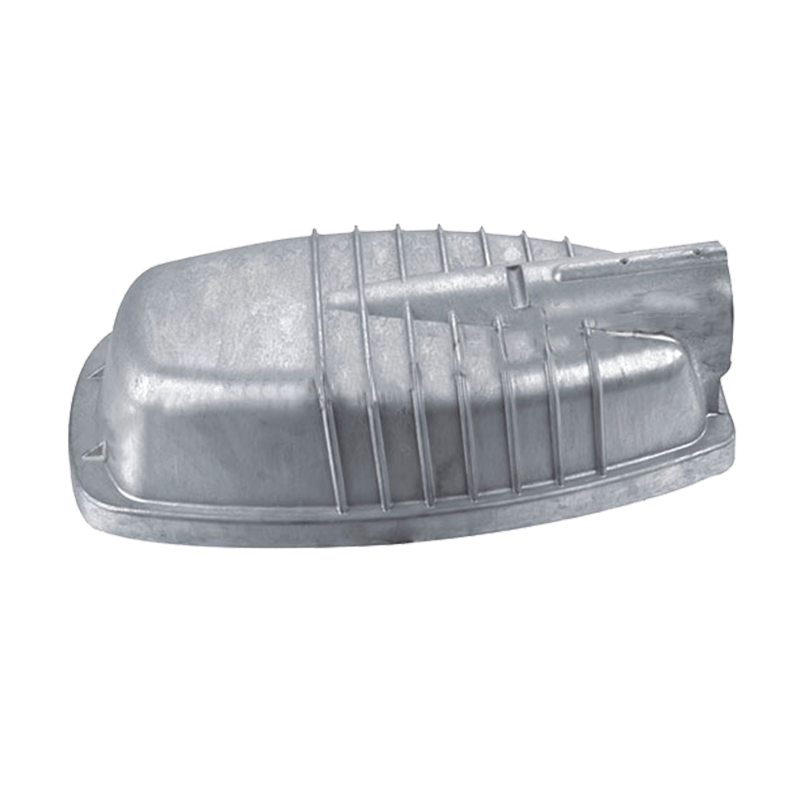
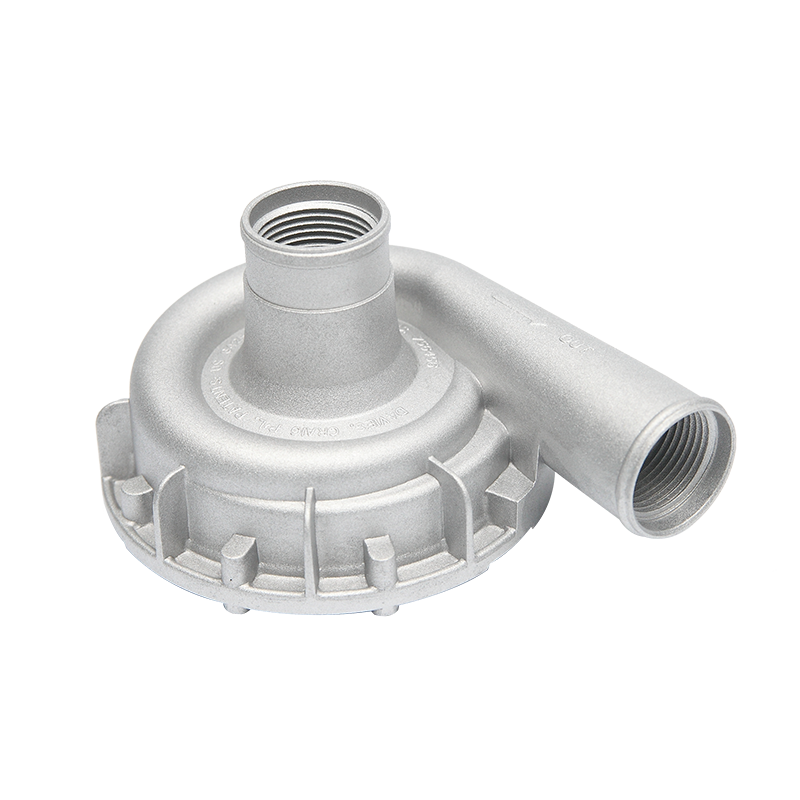
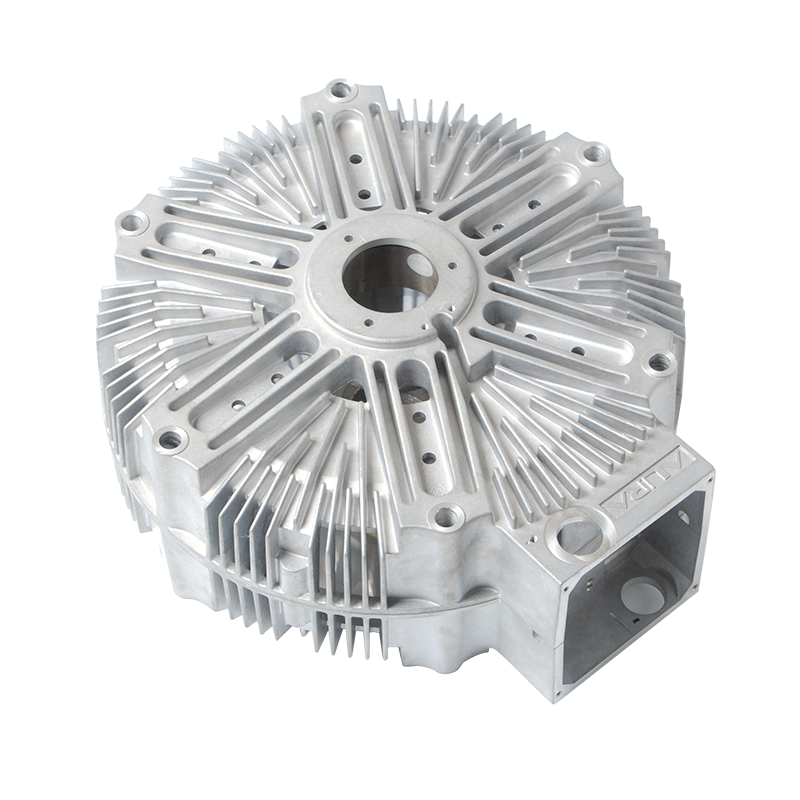
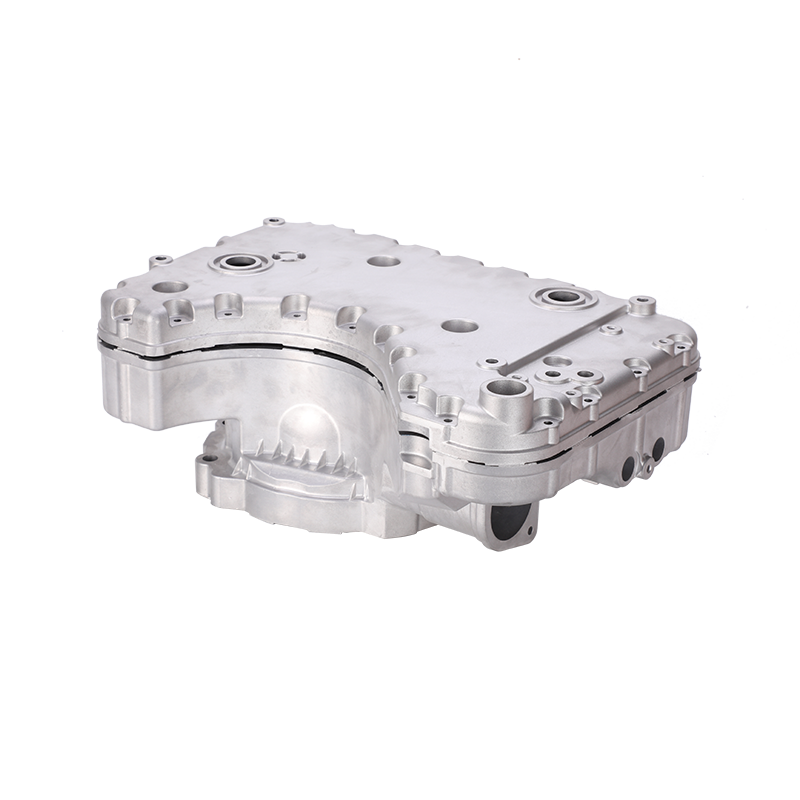
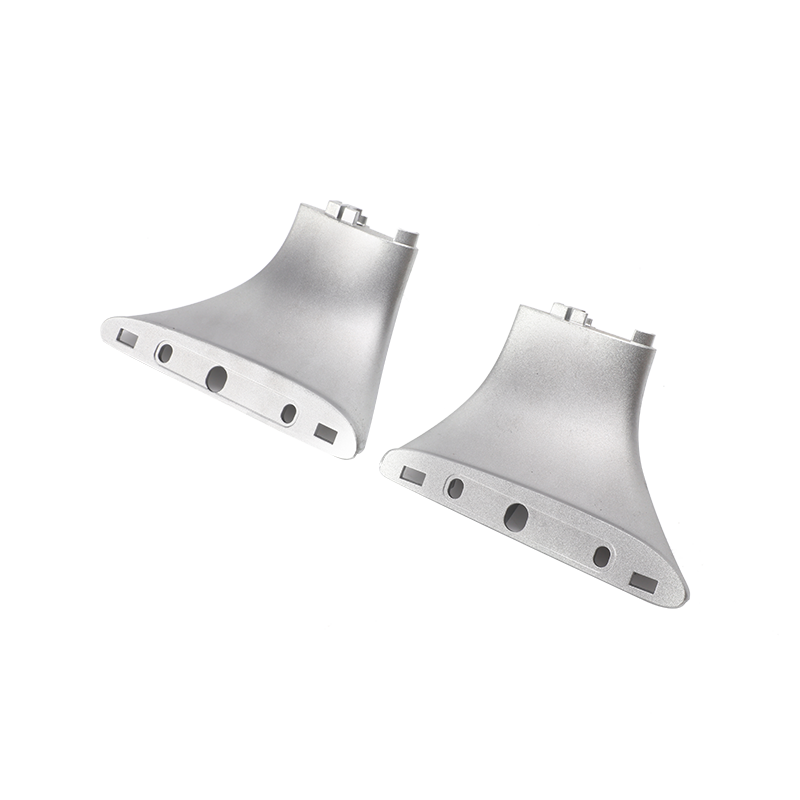
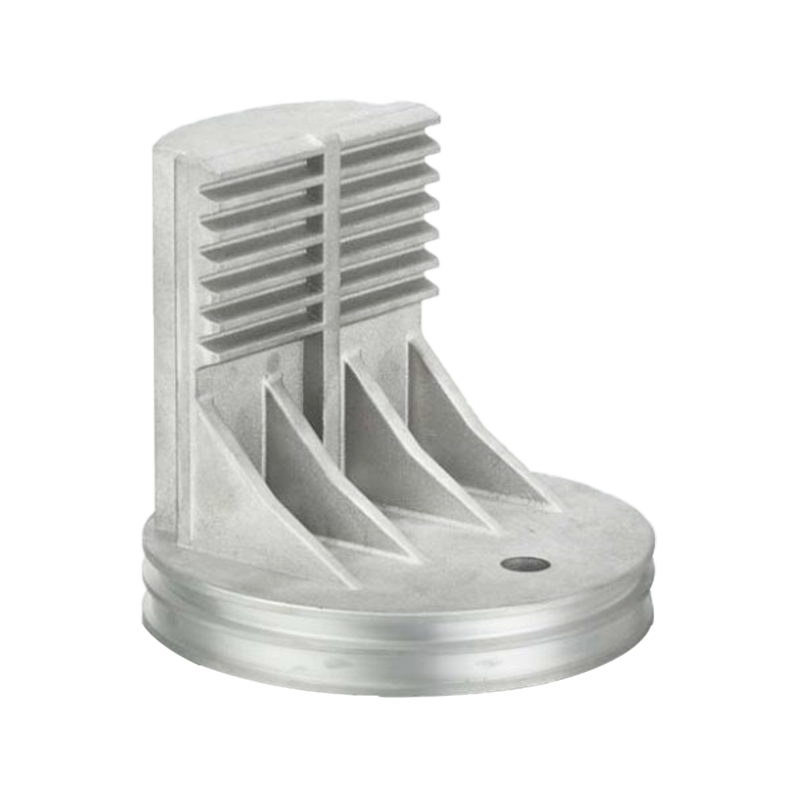
In the manufacturing of LED street light housings, high-pressure aluminum die casting (HPDC) has become the preferred process for global municipal engineering and smart city projects. Using ADC12 or A380 aluminum alloys as raw materials, this process enables complex geometries, integrated heat-dissipation fins, and precision assembly interfaces in a single molding cycle, delivering comprehensive performance that far exceeds stamped steel, injection-molded plastic, or extruded aluminum profiles. Industry data indicates that LED street lights with die-cast aluminum housings achieve an expected service life of 50,000 to 100,000 hours, offer junction-temperature control advantages of 15–30°C over plastic housings, and provide significant economic benefits in total cost of ownership (TCO).
The core materials for die-cast LED street light housings are typically ADC12 (JIS standard, equivalent to A383) or A380 (ASTM standard) aluminum alloys. These two alloys exhibit subtle differences in composition and performance that directly impact the structural strength, thermal efficiency, and corrosion resistance of the finished product.
ADC12 contains a high silicon content of 9.6%–12% and copper content of 1.5%–3.5%, giving it exceptional fluidity and thin-wall filling capability ideal for manufacturing precision heat-dissipation fins with wall thicknesses as low as 1.2 mm. Its typical tensile strength is 150–200 MPa with yield strength of 100–150 MPa. In contrast, A380 has a slightly lower silicon content (7.5%–9.5%) but higher copper content (3.0%–4.0%), resulting in tensile strength of 210–250 MPa and higher hardness (60–80 HB), making it more suitable for applications requiring resistance to strong wind loads or mechanical impact.
| Performance Indicator | ADC12 | A380 |
|---|---|---|
| Silicon Content (Si) | 9.6% – 12% | 7.5% – 9.5% |
| Copper Content (Cu) | 1.5% – 3.5% | 3.0% – 4.0% |
| Tensile Strength (MPa) | 150 – 200 | 210 – 250 |
| Yield Strength (MPa) | 100 – 150 | 120 – 170 |
| Hardness (HB) | 40 – 60 | 60 – 80 |
| Thermal Conductivity (W/m·K) | 130 – 150 | 96 |
| Typical Applications | Complex thin-wall housings, heat fins | High-load structural parts, industrial lighting |
For standard municipal street lights, ADC12 is the most cost-effective choice due to its excellent thermal conductivity (130–150 W/m·K) and superior casting formability. For projects in high wind-pressure regions (such as coastal typhoon zones or elevated bridges), A380 is recommended for higher structural strength. Notably, both alloys have a density of approximately 2.7 g/cm³, achieving weight reductions of over 60% compared to steel, significantly reducing pole loads and transportation costs.
The junction temperature of LED chips is the core indicator for measuring reliability. According to DOE solid-state lighting research, for every 10°C increase in junction temperature, LED lumen depreciation doubles and lifespan decreases by approximately 50%. Die-cast aluminum housings achieve efficient thermal management through the following mechanisms:
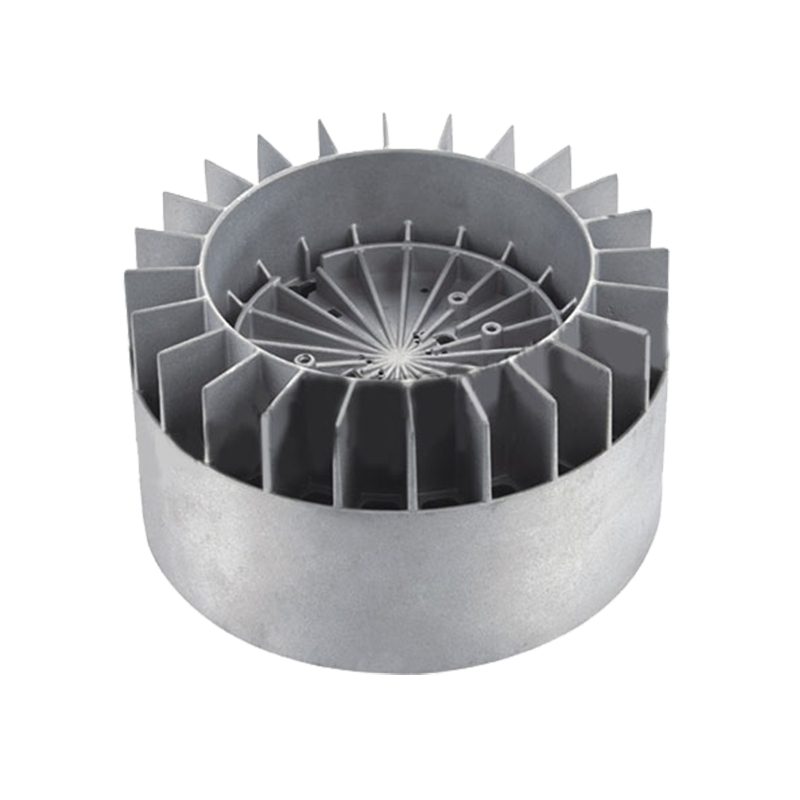
High-pressure die casting allows direct molding of high-density heat-dissipation fin arrays with wall thicknesses as low as 1.2 mm and spacing down to 4 mm within the mold. This integrated structure eliminates thermal interface resistance from traditional extruded aluminum profile + machining assembly processes, minimizing the thermal resistance path from the LED substrate to ambient air. Measured data shows that fixtures with die-cast aluminum housings maintain LED junction temperatures stably at 65–80°C, while plastic housings under equivalent power reach 110–140°C, placing them in the failure risk zone.
| Housing Material | Avg. Junction Temp. (°C) | Driver Chamber Temp. (°C) | L70 Lifespan Prediction | Thermal Risk Level |
|---|---|---|---|---|
| Die-Cast Aluminum | 65 – 80 | 50 – 65 | 60,000 – 100,000 h | Low |
| Extruded Aluminum | 70 – 85 | 55 – 75 | 50,000 – 80,000 h | Medium |
| Stamped Steel | 90 – 110 | 80 – 95 | 25,000 – 40,000 h | High |
| Engineering Plastic | 110 – 140 | 100 – 120 | 10,000 – 15,000 h | Extremely High (Failure Risk) |
In plastic housings, LED lumen maintenance (L70) may fall below 70% within 10,000–15,000 hours, while die-cast aluminum housings ensure L70 lifespans exceeding 60,000–100,000 hours. For municipal street lights operating 12 hours daily, this means die-cast aluminum fixtures can operate stably for 13–22 years, while plastic-housed fixtures require replacement within 2–3 years.
LED street light housings must withstand UV radiation, thermal cycling (-40°C to +70°C), wind loads, and precipitation erosion. Die-cast aluminum alloys build multi-layer protection systems through the combination of intrinsic material properties and surface treatment technologies.
For different environmental corrosion grades (C3 to C5-M as defined by ISO 12944), die-cast aluminum housings can adopt differentiated coating solutions:
Modern die-cast LED street light housings generally achieve IP66 protection ratings (per IEC 60529), providing complete dust protection and resistance to powerful water jets. In terms of impact resistance, optimized wall thickness design and alloy配比 can achieve IK08 to IK10 ratings (per IEC 62262), capable of withstanding mechanical impacts above 5 joules, effectively resisting wind-borne debris or vandalism. All external fasteners in coastal areas should be specified as 316 stainless steel (A4 grade) with anti-seize lubricant to prevent galvanic corrosion-induced bolt seizure.
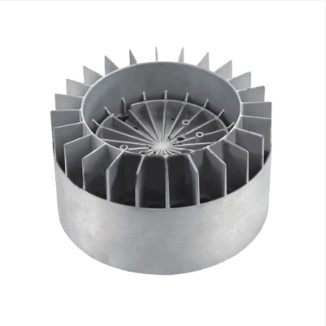
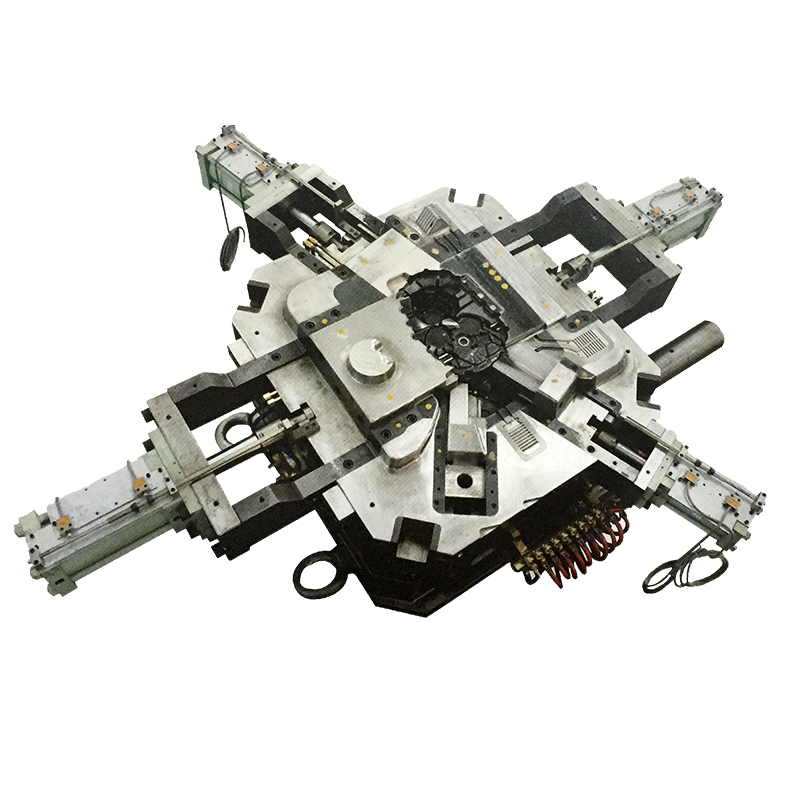
High-pressure die casting (HPDC) is a forming process where molten aluminum alloy is injected into precision steel molds at high speed under pressures of 30–150 MPa. This process demonstrates three core advantages in LED street light housing manufacturing:
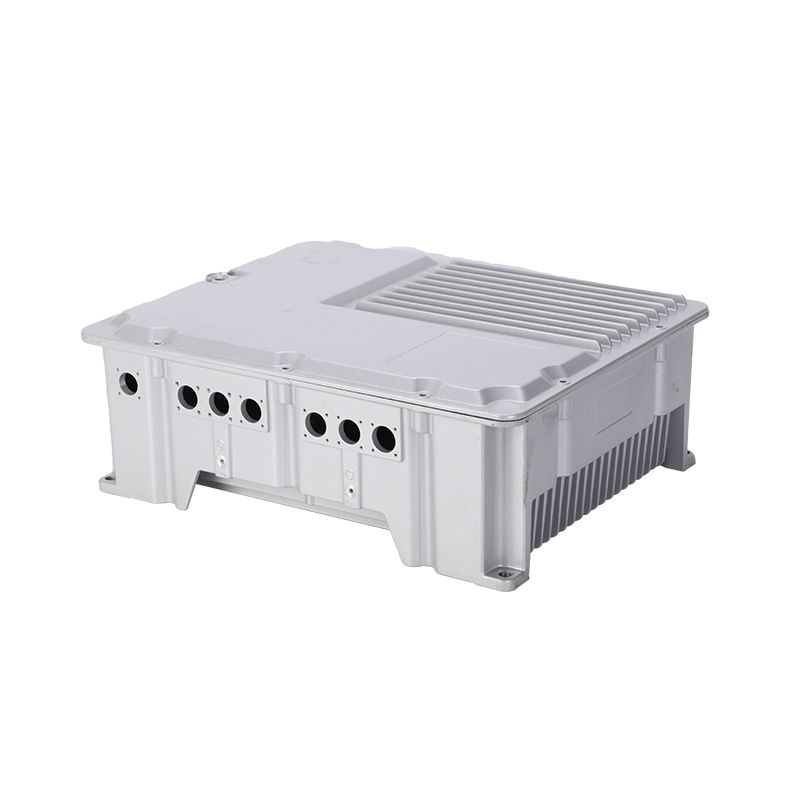
Die casting achieves dimensional tolerances of ±0.03–0.05 mm, far exceeding stamping (±0.1–0.3 mm) and injection molding (±0.1–0.5 mm). More importantly, it allows heat-dissipation fins, driver chambers, NEMA/Zhaga smart controller interfaces, optical mounting surfaces, and even breather valve mounting positions to be cast in a single operation, significantly reducing subsequent machining and assembly processes while lowering potential failure points.
Once tooling is invested (typically lasting 80,000–150,000 shots), single-piece die casting cycles can be shortened to 30–90 seconds, making them highly suitable for high-volume municipal project demands. The global die casting market is projected to grow from $101.2 billion in 2026 to $189.2 billion by 2034 (CAGR 8.14%), with the Asia-Pacific region dominating through mature supply chains; the Chinese market alone is expected to reach $41.3 billion by 2026.
Leading manufacturers employ integrated CAD/CAM/CAE design combined with mold flow analysis to predict gate positions, porosity distribution, and hot spot defects. Production lines are equipped with precision CNC machining centers, EDM (electrical discharge machining), and wire-cut equipment to ensure accuracy of critical assembly surfaces. Quality management systems must be IATF 16949 certified, covering the entire process from raw material procurement, melt degassing, shot parameter monitoring to finished product leak testing.
With the proliferation of 5G networks and IoT technology, LED street lights are evolving from single lighting nodes into data hubs for smart cities. The complex forming capabilities of die-cast aluminum housings provide the physical infrastructure for this transformation:
Modern die casting molds can directly form NEMA/ANSI C136 photocontrol receptacle bases or Zhaga Book 18 standard interfaces, supporting plug-and-play photocells, microwave sensors, environmental air quality monitoring modules, and 5G micro-base station equipment. This pre-integration avoids post-installation drilling and tapping that compromises sealing integrity, ensuring IP ratings remain valid after smart upgrades.
Aluminum housings inherently provide electromagnetic shielding, effectively protecting internal wireless communication modules (such as DALI-2, Bluetooth Mesh, LoRa) from external interference. By reserving non-metallic antenna windows during the casting stage or employing localized insulation treatment, signal transmission can be optimized without sacrificing structural integrity. In 2026, wireless control has become standard for high-end LED street lights, and the electromagnetic management design of die-cast housings directly impacts smart control system stability.
Although die-cast aluminum housings have higher initial procurement costs than plastic or steel alternatives, their 10-year total cost of ownership (TCO) is significantly lower. The following comparison is based on a 12-hour daily operation scenario:
| Cost Factor | Die-Cast Aluminum | Extruded Aluminum | Stamped Steel | Engineering Plastic |
|---|---|---|---|---|
| Expected Lifespan | 50,000–100,000 h | 40,000–70,000 h | 20,000–40,000 h | 10,000–25,000 h |
| Replacements in 10 Years | 0–1 times | 1–2 times | 2–3 times | 3–5 times |
| Maintenance Frequency | Extremely Low | Low | Medium–High | High |
| Energy Efficiency | High (Low Temp Rise) | Medium–High | Medium | Low (High-Temp Degradation) |
| Overall TCO Rating | Lowest | Medium | High | Highest |
Furthermore, the 100% recyclability of aluminum alloys aligns with global circular economy trends. End-of-life LED street light housings can be remelted and reused in die casting production, with a carbon footprint far lower than steel smelting or plastic synthesis. For municipal procurement bodies pursuing ESG objectives, die-cast aluminum housings offer significant advantages in sustainability scoring.
For engineering contractors and municipal procurement departments, incorporating the following technical parameters into tender documents can effectively filter quality suppliers and avoid post-installation maintenance risks:
By incorporating these indicators into technical specifications, procurement bodies can ensure that selected LED street light die-cast housings provide stable, efficient, and low-maintenance lighting service throughout their 20+ year design lifespan.
ARE YOU READY TO COOPERATE WITH jieda?
* Your email is safe with us, we don’t spam.

PRODUCTS
CONTACT INFO
nbjd011@126.com
+86-574-86115705
No. 58 Mould Road, Daqi Technology Industrial Zone, Beilun District, Ningbo

 English
 Español
 italiano