Content
The choice between zinc die casting and aluminum die casting fundamentally depends on your product's application scenario and performance requirements. If your project demands high precision, complex thin-wall structures, and excellent surface finish, and weight sensitivity is not a primary concern, zinc die casting is the superior choice. If your project requires lightweight construction, high strength, corrosion resistance, and excellent thermal conductivity, with relatively relaxed dimensional tolerance requirements, aluminum die casting is more suitable. These two processes are not competitors but complementary technologies, each serving distinct industrial sectors.
Zinc alloys and aluminum alloys exhibit significant differences in physical and chemical properties, which directly determine their respective application scopes. The following analysis compares both materials across multiple dimensions:
| Dimension | Zinc Die Casting | Aluminum Die Casting |
| Density | 6.6-6.7 g/cm³ (Heavier) | 2.6-2.7 g/cm³ (Ideal for lightweight) |
| Melting Point | 380-390°C (Low-temp forming) | 660°C (High-temp forming) |
| Tensile Strength | 280-350 MPa | 200-320 MPa |
| Elongation | Higher, good ductility | Lower, relatively brittle |
| Dimensional Accuracy | Up to ±0.01mm (Extremely high) | ±0.05mm (Standard precision) |
| Surface Finish | Ra 0.8-1.6 μm (Ready for plating) | Ra 3.2-6.3 μm (Requires post-processing) |
| Corrosion Resistance | Moderate, requires surface treatment | Excellent, natural oxide protection |
| Thermal Conductivity | Poor | Excellent (~200 W/m·K) |
| Die Life | ~1 million shots (Low thermal stress) | ~80,000-150,000 shots (High thermal wear) |
Zinc die casting employs the hot chamber process, where molten metal is maintained in a closed crucible and injected directly into the die cavity through a gooseneck tube. Because zinc alloys have a low melting point, dies experience minimal thermal shock, resulting in significantly extended die life. Equipment-wise, zinc die casting machines typically range from 50T to 500T, making them ideal for producing small precision components.
Ningbo Jieda Molding & Machine Co., Ltd., for instance, is equipped with 200T to 500T series Lijin automatic die casting machines, capable of meeting diverse requirements from communication equipment parts to precision connectors. The company utilizes CAD/PRO/E/CAM/CAE design software for 3D modeling and simulation analysis, enabling engineers to identify and resolve potential production issues in a virtual environment before manufacturing begins.
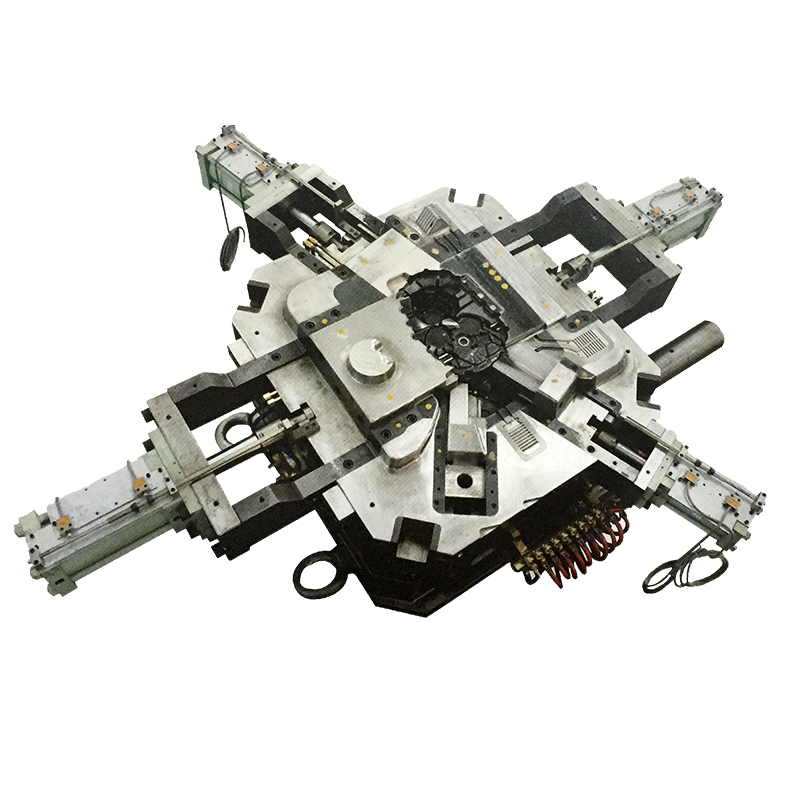
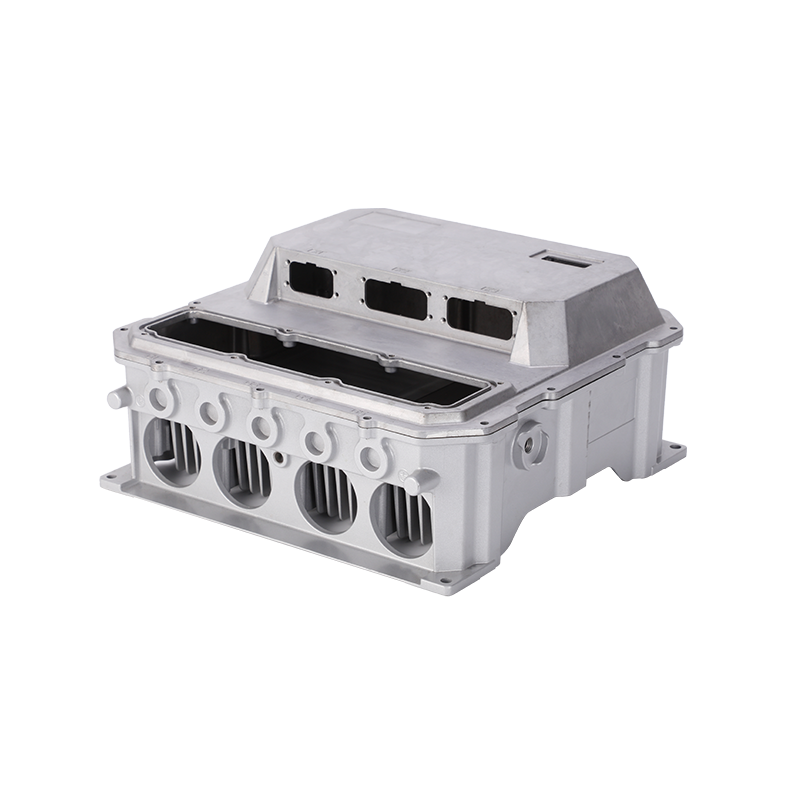
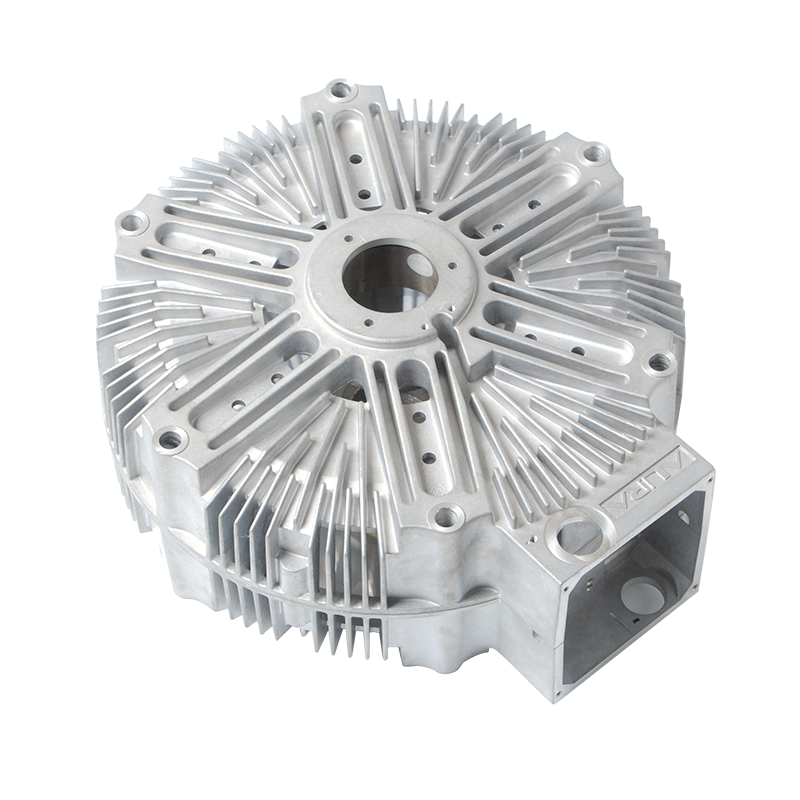
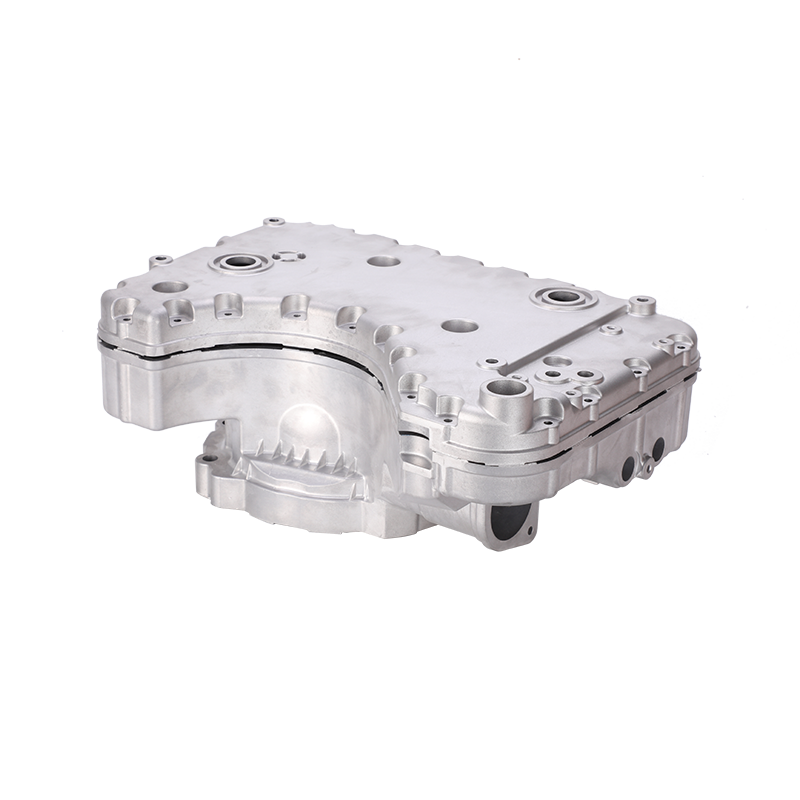
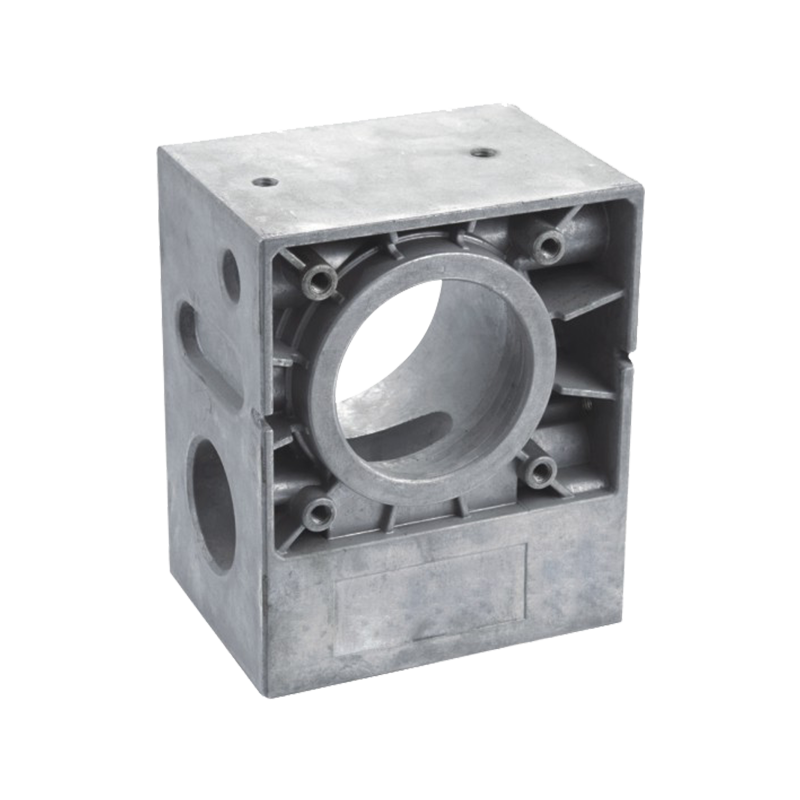
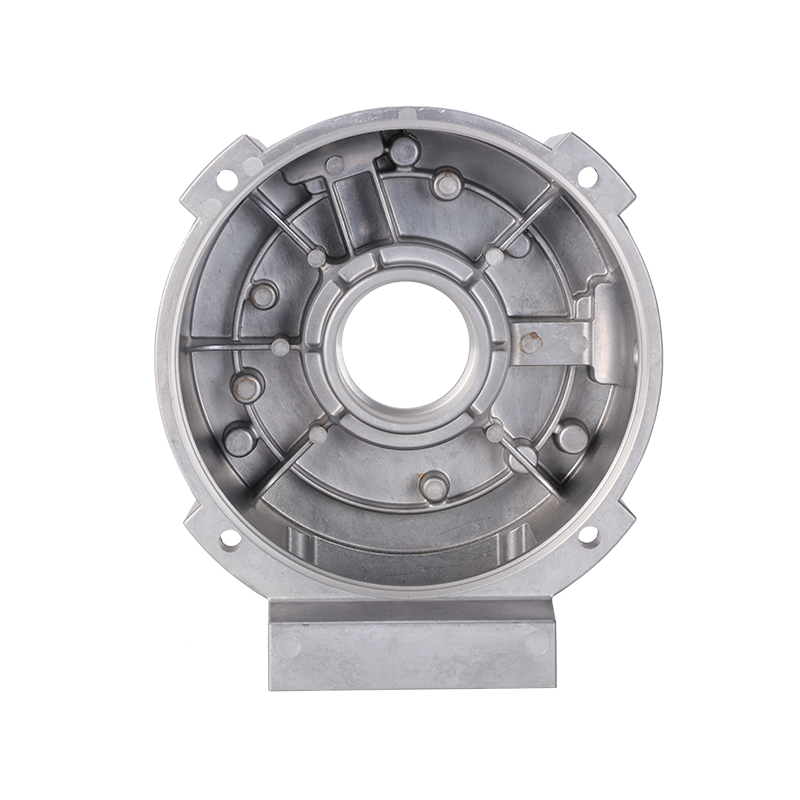
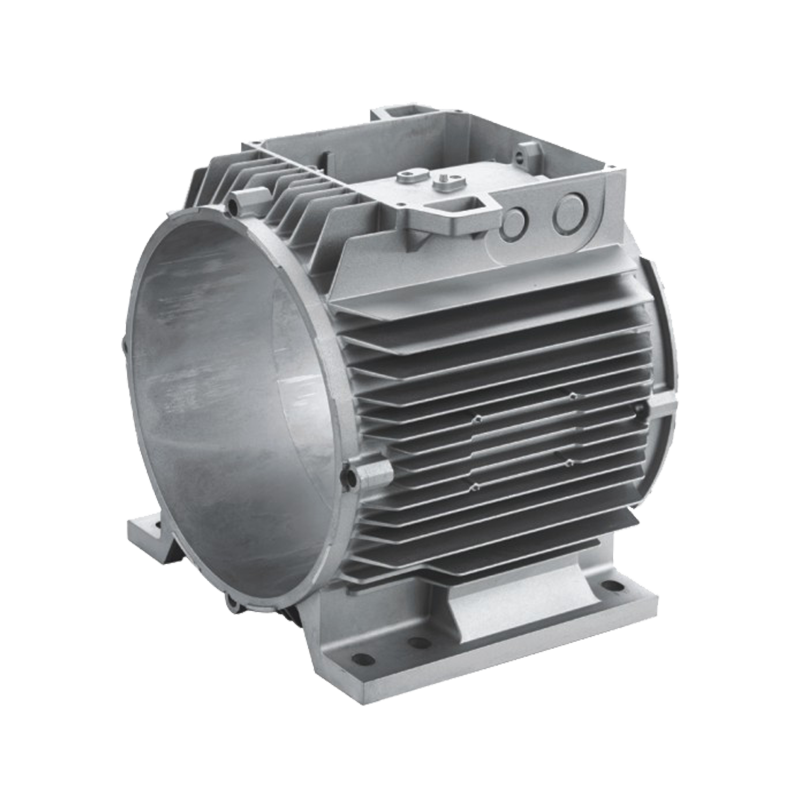
Aluminum die casting uses the cold chamber process, where molten metal is ladled from a holding furnace into the injection chamber, then rapidly injected into the die by a plunger. With a melting point of 660°C, aluminum alloys subject dies to higher thermal stress and thermal fatigue, resulting in relatively shorter die life. Aluminum die casting machines offer a broader tonnage range, from 200T to 1600T, suitable for producing large structural components.
Jieda possesses a full range of 200T to 1600T Lijin automatic die casting machines, along with over 80 pieces of precision manufacturing equipment including CNC machining centers, EDM machines, and wire cutting machines. This enables the company to deliver high-quality aluminum die casting products for automotive accessories, motor series, new energy photovoltaic series, and other demanding applications.
Leveraging its exceptional dimensional accuracy and surface quality, zinc die casting dominates the following sectors:
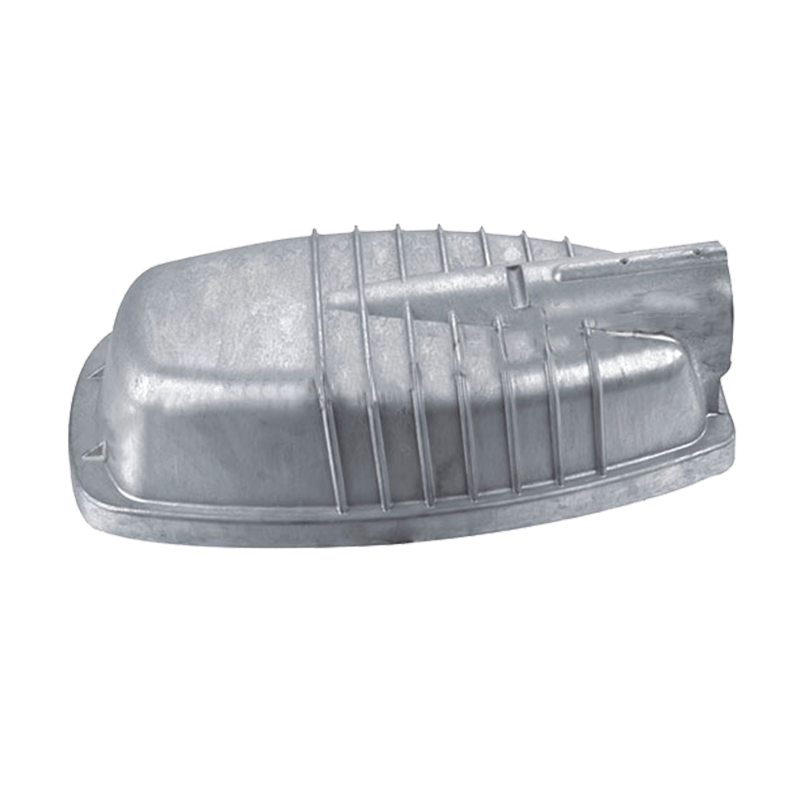
With its lightweight and high-strength advantages, aluminum die casting is widely applied in the following fields:
Regardless of which die casting process is selected, quality control is the critical factor ensuring product reliability. Jieda has passed the IATF16949 quality management system certification and established a closed-loop management model centered on risk prevention, clear objectives, transparent processes, objective data analysis, and continuous improvement.
Throughout production, every process undergoes rigorous inspection, from die design and raw material inspection to die casting and post-processing, ensuring that final products meet or exceed international standards. The company's products are exported to the United States, Germany, Italy, the United Kingdom, France, Poland, Finland, India, Australia, and other countries, earning recognition from global customers.
To help you make the right choice efficiently, follow this decision-making framework:
Zinc die casting and aluminum die casting each possess irreplaceable advantages. Zinc die casting excels in high precision, superior surface quality, and extended die life, making it ideal for precision small parts. Aluminum die casting stands out for its lightweight construction, high strength, corrosion resistance, and excellent heat dissipation, making it suitable for large structural and load-bearing components.
In practical selection, we recommend engaging in thorough communication with a professional die casting manufacturer, providing detailed product drawings and usage requirements, and allowing experienced engineering teams to tailor the optimal solution for your needs. As a national high-tech enterprise, Jieda offers one-stop solutions from product design and die manufacturing to finished product delivery, providing professional support for diverse requirements including auto parts, motor parts, valves, gearbox housings, and new energy automobile parts.
ARE YOU READY TO COOPERATE WITH jieda?
* Your email is safe with us, we don’t spam.

PRODUCTS
CONTACT INFO
nbjd011@126.com
+86-574-86115705
No. 58 Mould Road, Daqi Technology Industrial Zone, Beilun District, Ningbo

 English
 Español
 italiano