Content
The primary function of a die casting mold is to give molten metal a fixed, repeatable shape under high pressure and hold that shape rigid long enough for the metal to cool into a finished, dimensionally stable part. In practice, a single hardened steel mold can reproduce the same cavity thousands of times without measurable drift, which is why die casting molds sit at the center of high-volume metal parts production rather than at the edge of it.
Every die casting manufacturer builds its production capability around this single tool. A mold is not a passive container for liquid metal; it actively manages fill speed, pressure distribution, heat removal and part release in one continuous cycle. Understanding what the mold does mechanically explains why tolerances, surface finish and part strength all trace back to how well that mold was engineered.
Inside a die casting cell, the mold performs three tasks in sequence, and all three happen within a few seconds per shot:
A mold that fails any one of these three jobs produces defects: cold shuts if filling is too slow, porosity if cooling is uneven, and cracked bosses if ejection is poorly timed. This is why mold design accuracy, not the die casting machine alone, is the main driver of part quality.
A production mold is an assembly of precision parts, each responsible for one aspect of the casting outcome. The table below summarizes the main components found in a typical aluminum or zinc die casting mould.
| Mold Component | Function in the Casting Cycle |
| Cavity and core | Defines the exact external and internal geometry of the part |
| Runner and gate system | Directs molten metal from the shot sleeve into the cavity at a controlled velocity |
| Cooling channels | Removes heat evenly to control grain structure and cycle time |
| Ejector pin system | Frees the solidified part from the cavity without distortion |
| Venting system | Lets trapped air escape so porosity and gas defects are minimized |
The metal a mold is designed for changes its cavity steel, gate layout and cooling strategy. Aluminum die casting molds are typically built for parts that need light weight and good thermal or electrical performance, such as gearbox housing units, motor parts and heat sinks for LED street light fixtures. Zinc die casting mould designs, by contrast, favor tight tolerances and thinner walls, which suits small precision components like valves and connector housings.
| Factor | Aluminum Mold | Zinc Mold |
| Typical wall thickness | 1.0 to 4.0 mm | 0.5 to 2.5 mm |
| Dimensional tolerance | Good, +/- 0.1 mm range | Excellent, +/- 0.05 mm range |
| Common parts | Gearbox housing, motor parts, auto parts | Valves, small brackets, connectors |
| Mold life expectancy | 80,000 to 150,000 shots | 150,000 to 300,000 shots |
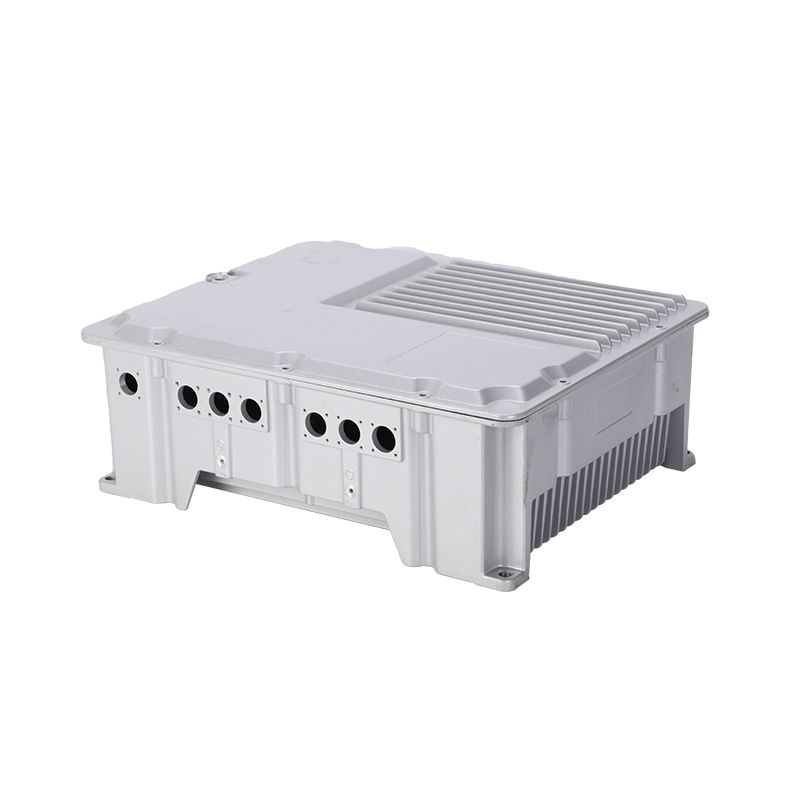
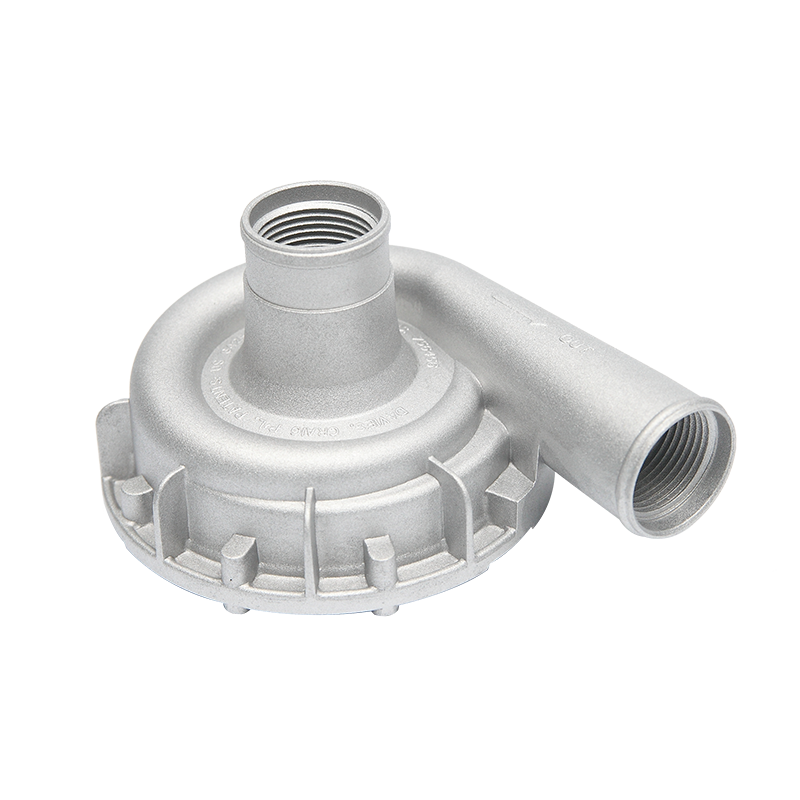
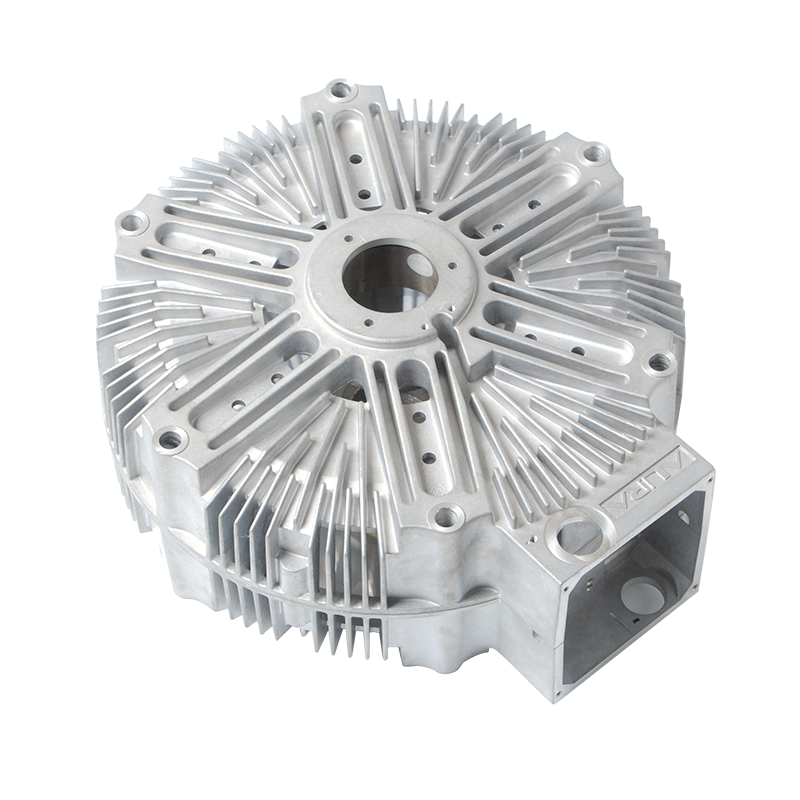
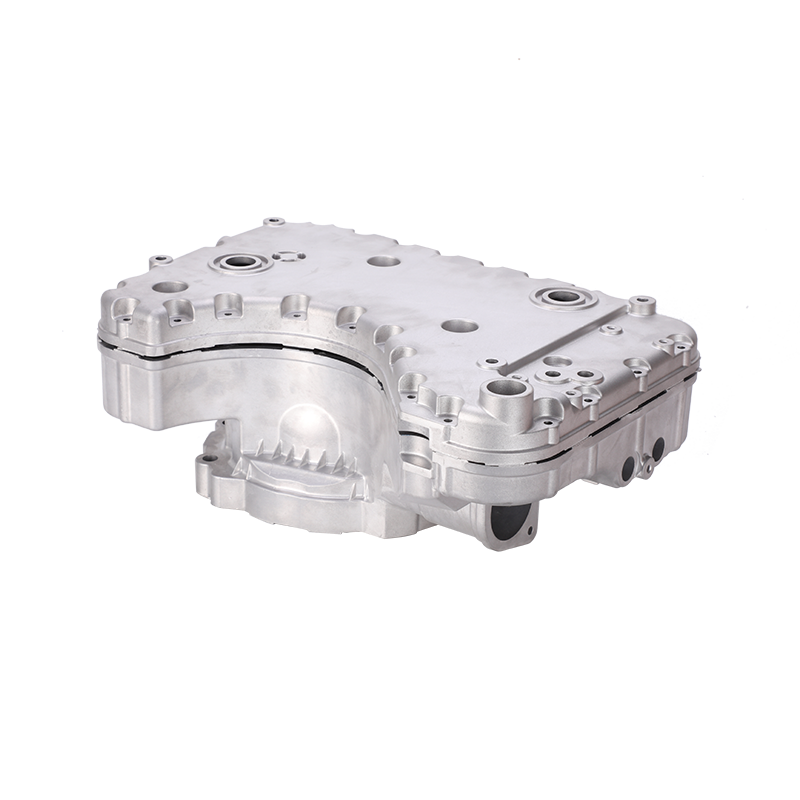
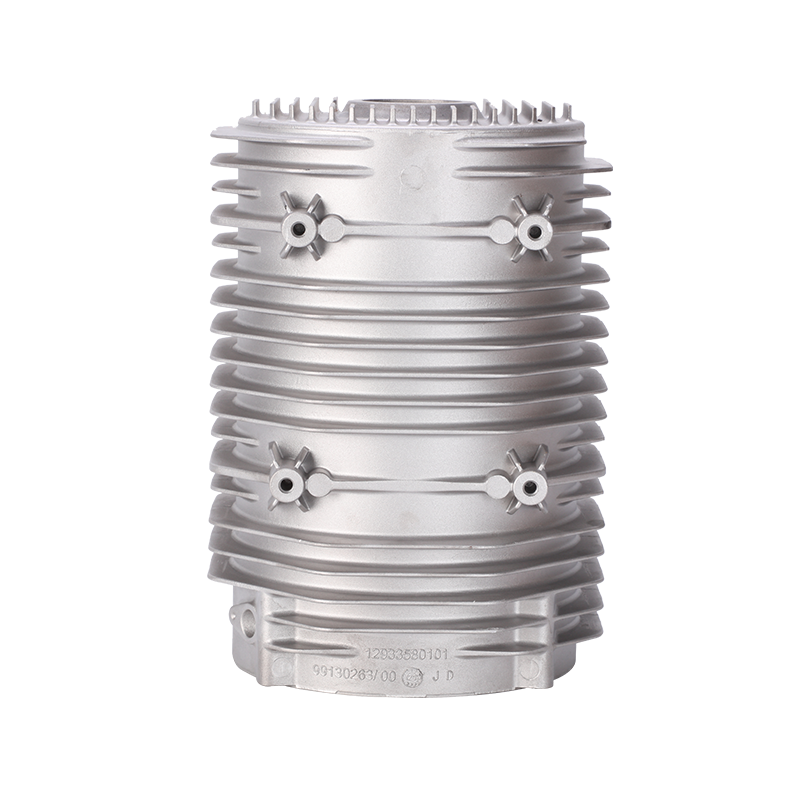
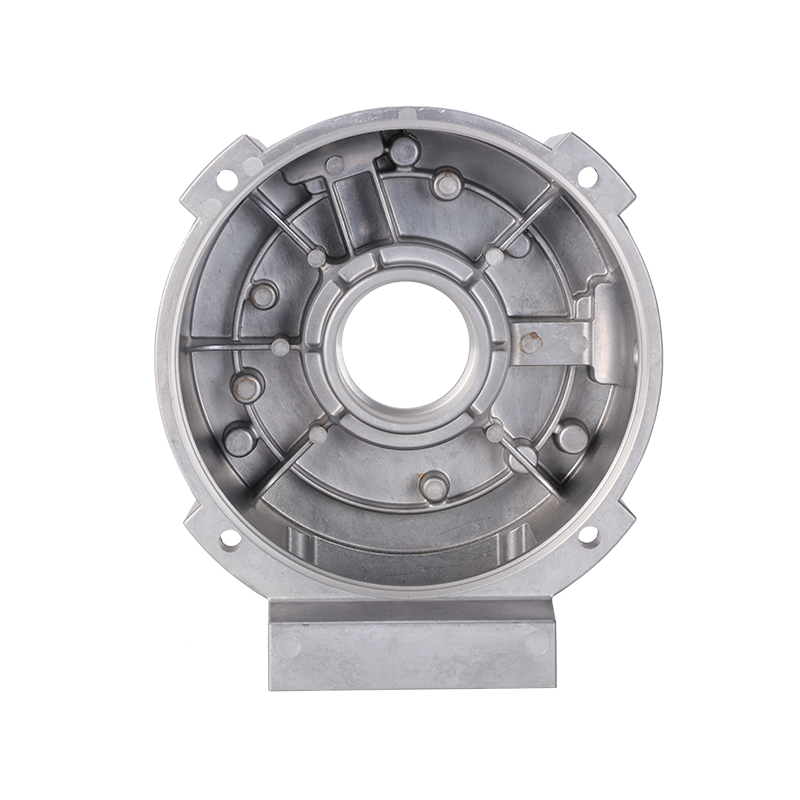
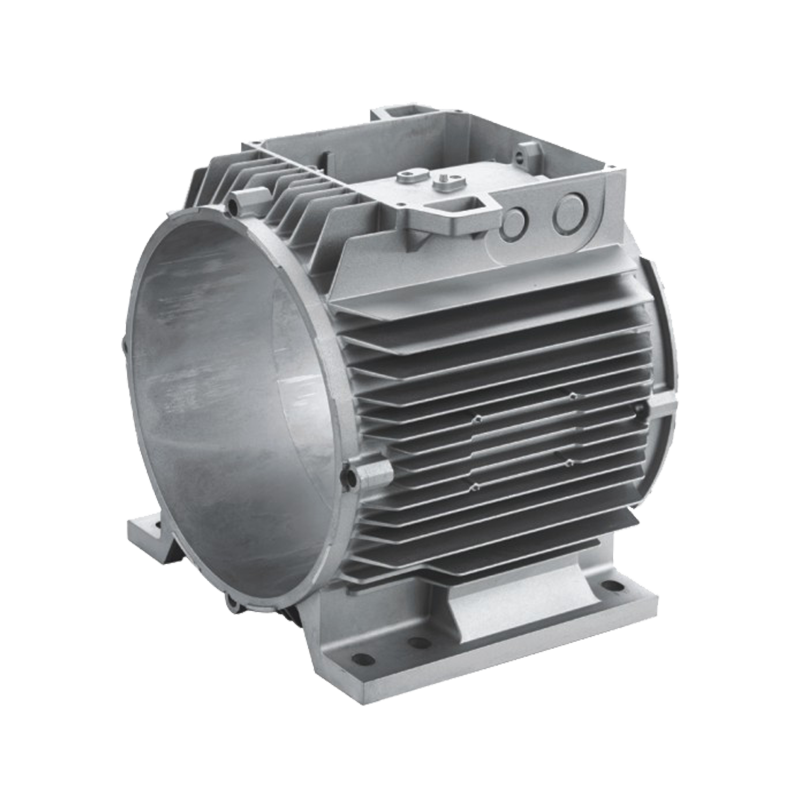
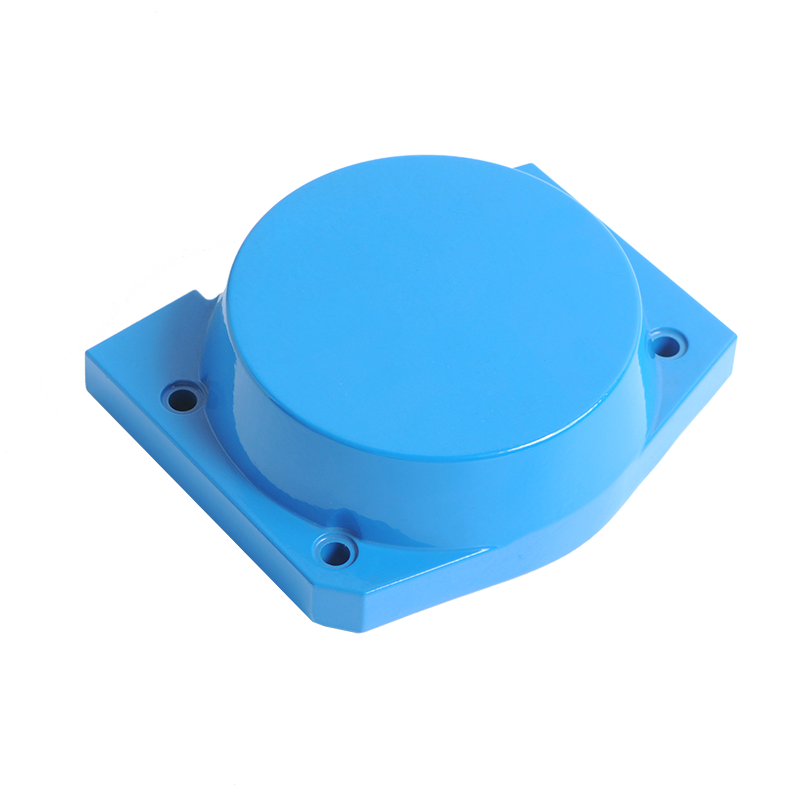
The examples below reflect the type of custom die casting molds and finished components produced on Jieda's tooling lines, spanning industrial molds, gearbox housings and lighting components.

Aluminum Die Casting Molds Customized High-pressure
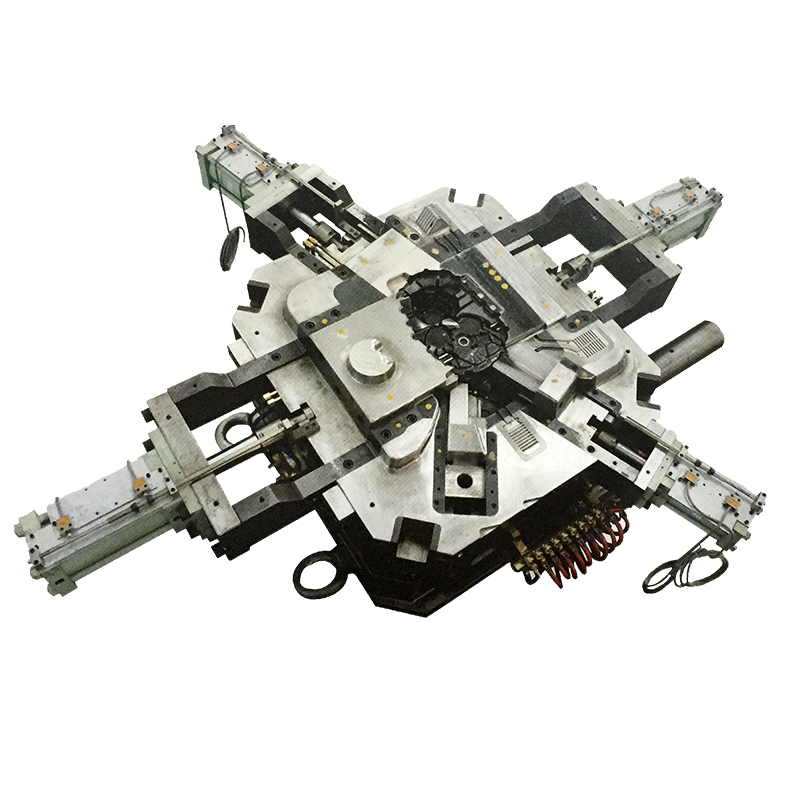
Zinc Die Casting Molds Customized High-precision
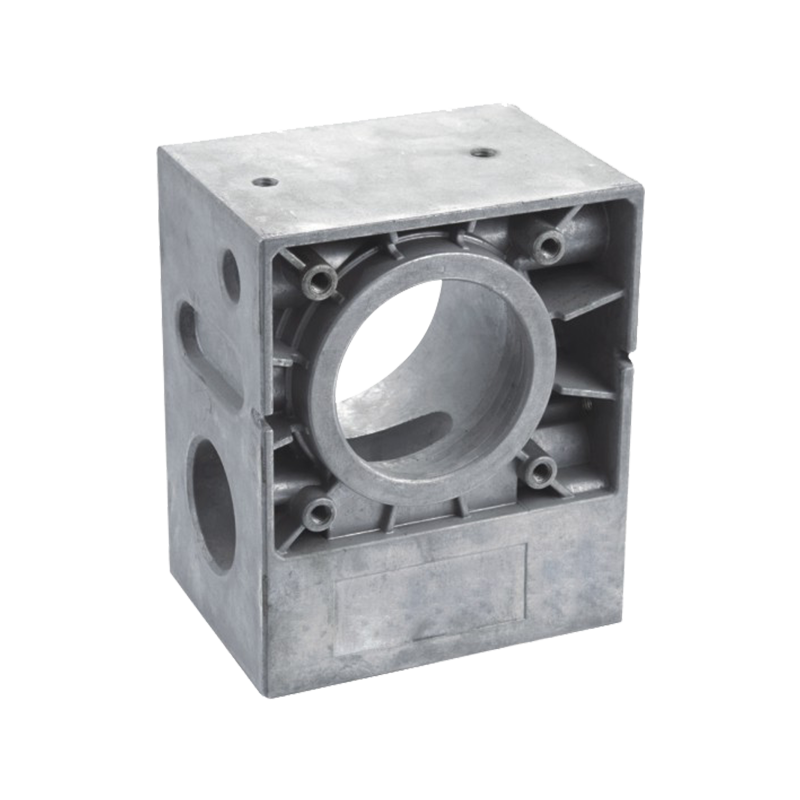
Industrial Door Operator or Forklift Gearbox Housing
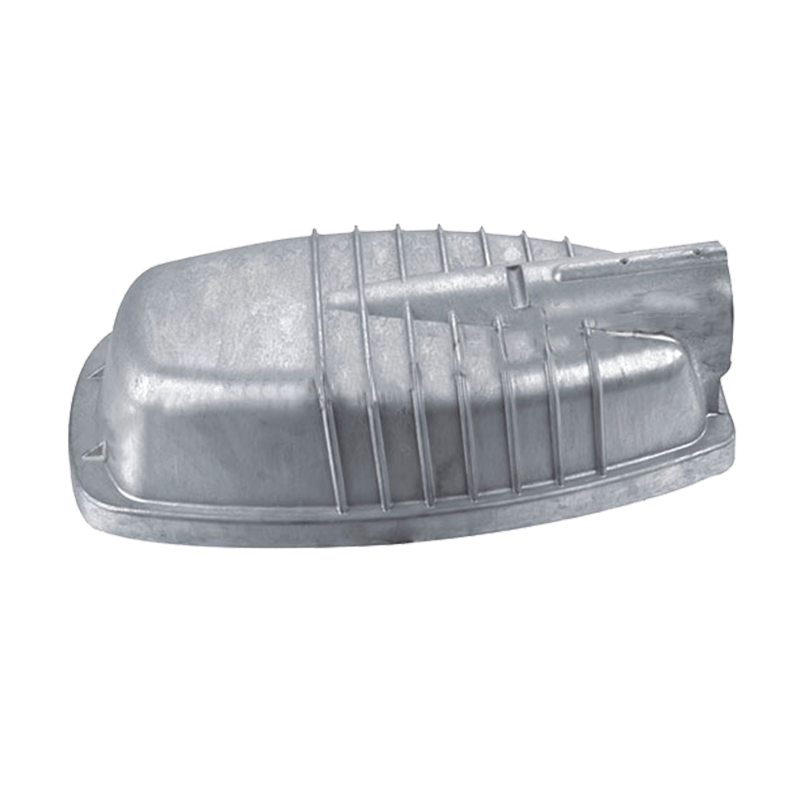
LED Street Light Housing and Cover Aluminum Casting
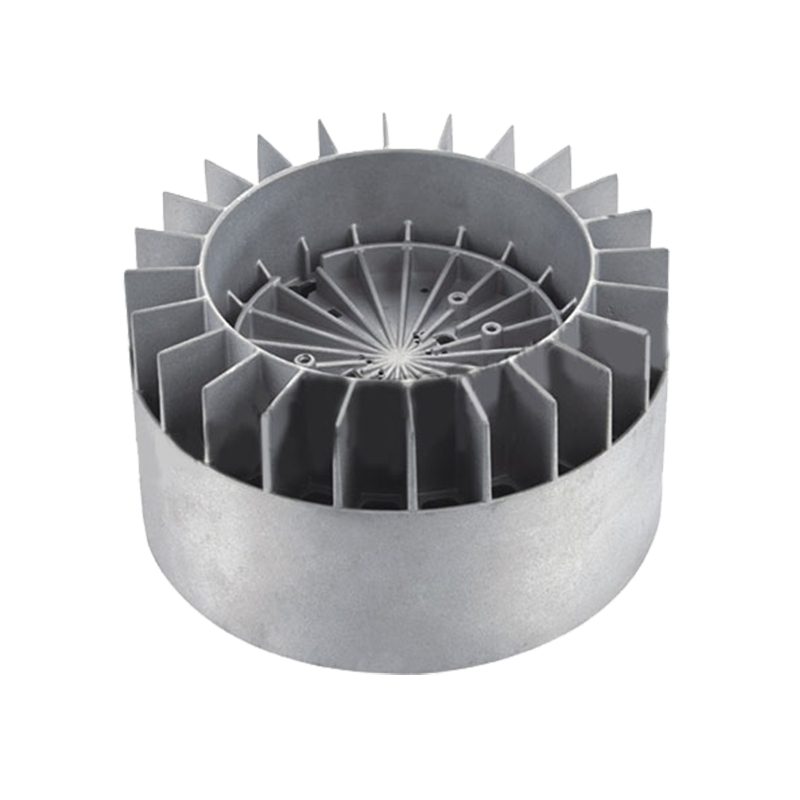
Die Casting Heat Sink for Electric Devices and Autos
Mold accuracy does not come from cutting steel alone; it comes from validating the design before any steel is touched. A capable die casting manufacturer runs each new mold through a staged verification process:
Because a single mold can produce parts within very tight repeatability, die casting molds are the backbone of several manufacturing sectors:
Because the mold determines almost every downstream production outcome, the manufacturer building it matters as much as the design itself. When evaluating a partner for a custom die casting mold project, a few criteria consistently separate reliable suppliers from the rest.
| Evaluation Point | What to Look For |
| Equipment range | Multiple clamping tonnages, from small precision presses to 1000T-plus machines |
| Design software | Active use of CAD, CAM and CAE, not just CNC machining alone |
| Certification | IATF16949 or equivalent quality management system in place |
| Material expertise | Proven experience across both aluminum die casting and zinc alloys |
| Export track record | History of shipping finished molds and parts internationally |
A mold built without this level of process control tends to show its weaknesses only after production starts, in the form of short mold life, inconsistent wall thickness or rising scrap rates. Selecting a manufacturer that treats simulation and quality certification as standard practice, rather than an optional add-on, is the most reliable way to avoid those problems.
ARE YOU READY TO COOPERATE WITH jieda?
* Your email is safe with us, we don’t spam.

PRODUCTS
CONTACT INFO
nbjd011@126.com
+86-574-86115705
No. 58 Mould Road, Daqi Technology Industrial Zone, Beilun District, Ningbo

 English
 Español
 italiano