Content
A machined aluminum motor housing fails a leak test at 1.5 bar after 40 seconds. The alloy was in specification, the die temperature was in range, and the casting looked flawless before machining. The cause was gas: air that entered the cavity with the metal and had nowhere to go once the part solidified.
Vacuum die casting technology is the process answer to that failure, and its advantages are easiest to judge in production terms: scrap rate, leak rate, and what you are allowed to do to the part after casting.
The conclusion first: by evacuating the die cavity before and during the shot, vacuum die casting cuts trapped gas to a fraction of conventional high-pressure die casting (HPDC) levels. That one change brings most of the benefits: fewer gas porosity defects, pressure-tight castings, a practical route to T6 heat treatment and welding, thinner walls, cleaner as-cast surfaces, and a lower cost per accepted part. The trade-off is tooling complexity: sealed dies, vacuum valves and disciplined maintenance.
In a conventional cold-chamber machine the cavity is full of air at atmospheric pressure when the plunger starts its fast shot. Metal enters the gate at 30-60 m/s, and the air has milliseconds to escape through vents that are typically 0.1-0.2 mm deep. Vents flash over or clog with release agent residue, and whatever stays behind becomes gas porosity.
A vacuum system adds a valve in the die that connects the cavity to a vacuum tank. The cavity is pumped down during the slow shot, before the fast shot starts, and the valve closes as the metal front arrives. Intensification then runs exactly as it does in a normal shot.
Two levels are common. Vacuum-assisted systems pull the cavity to roughly 200-500 mbar absolute and mainly support the vents. High-vacuum systems reach 50-100 mbar and are the version that changes what a casting can be used for. Two details decide whether either works: the vacuum level must be measured at the die, not at the pump, because a worn seal hides the problem; and vacuum does not replace venting, it reduces how much air the vents must pass, which reduces flash and clogging.
| Parameter | Conventional HPDC | Vacuum-assisted | High-vacuum die casting |
|---|---|---|---|
| Cavity pressure before fill | about 1,000 mbar | 200-500 mbar | 50-100 mbar |
| Gas content in the casting | 10-20 cm³/100 g | 5-10 cm³/100 g | 2-5 cm³/100 g |
| Typical wall thickness | 2.0-3.0 mm | 1.5-2.5 mm | 1.2-1.8 mm |
| T6 heat treatment | not practical, blistering | limited | feasible on suitable alloys |
| Pressure tightness | often needs impregnation | usually acceptable | reliably leak-tight |
| Relative die cost | baseline | plus 5-15% | plus 10-25% |
| Maintenance focus | vents, release agent | seals, valve | seals, valve, vacuum monitoring |
Cutting the air in the cavity does not remove every pore; shrinkage porosity from poor thermal balance is a separate problem. It does remove the large, irregular gas pores that cause most rejections, and that shows up in five places.
Gas content in a well-controlled high-vacuum shot typically falls from 10-20 cm³ per 100 g of metal to 2-5 cm³, and density rises by roughly 1-2%. Radiographic rejection rates follow the same trend.
Housings, valve bodies, battery covers and oil pans are judged by leak rate, not appearance. Conventional castings often need resin impregnation to pass, which adds a step and a temperature-dependent failure risk. Vacuum castings usually hold pressure as-cast, so the leak test verifies rather than repairs.
T6 solution treatment at about 500 °C makes trapped gas expand, and a conventional die casting blisters. With gas content in the low single digits, suitable structural alloys can be heat treated and MIG, TIG or laser welded with acceptable pore growth.
Lower back pressure from trapped air lets metal fill thin sections more predictably, so 1.2-1.8 mm walls replace 2.5-3.0 mm ones. Machining stock and weight fall, and fewer surface pinholes mean fewer blisters after powder coating or anodizing.
The gain is not a cheaper shot, it is a cheaper good part. Plant reject rates commonly drop from 5-8% to 1-3%, and because defects are caught at X-ray or leak test rather than after CNC machining, the value lost per rejected piece falls sharply.
Vacuum die casting pays back where walls are thin, geometry is complex, or the part must hold pressure or survive heat treatment. Three groups dominate the order book.
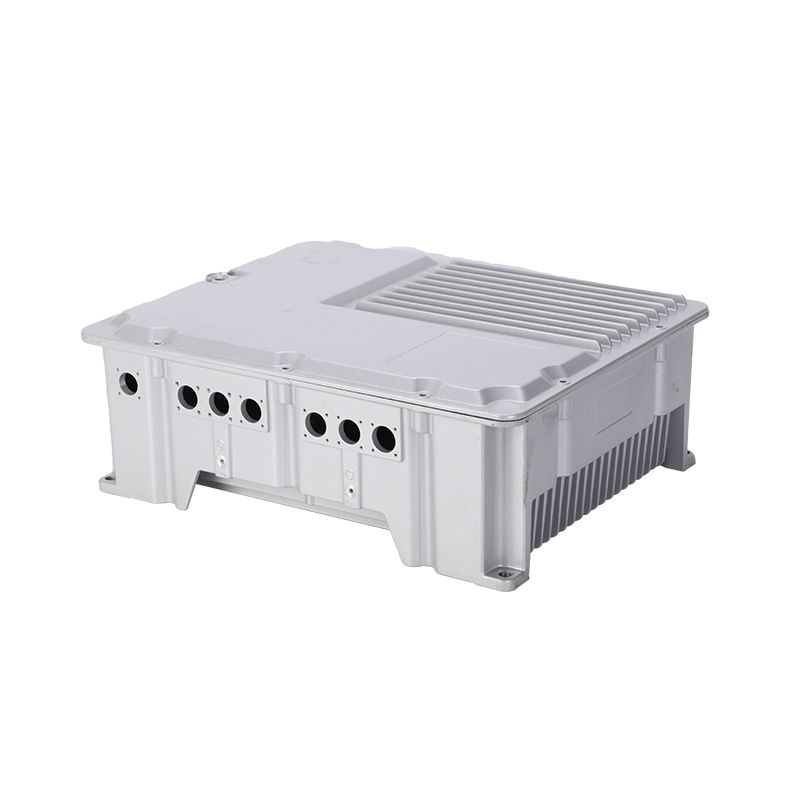
Enclosures combine large projected area, thin walls, sealing flanges and strict leak limits. Porosity at a flange or a weld seam is a safety issue rather than a cosmetic one. The design side is covered in our note on how battery housings and covers contribute to the safety of new energy vehicles.
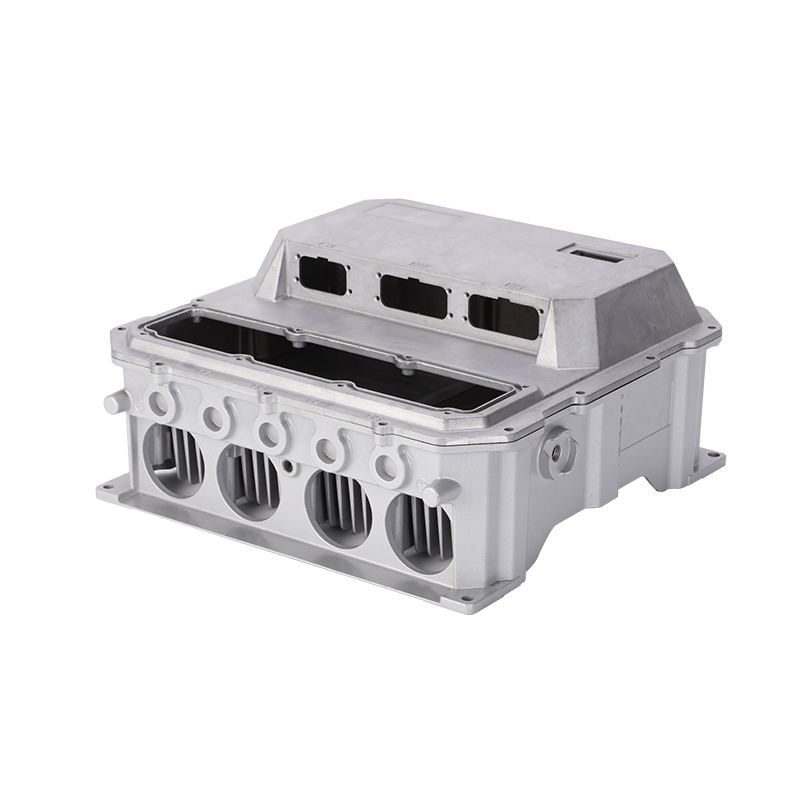 Battery Housing and Cover for New Energy/Electric AutomobileBattery Housing and Cover for New Energy/Electric AutomobileView Product →
These parts must keep bearing seats concentric, dissipate heat and often integrate cooling passages. Denser metal around bearing seats and sealing faces reduces machining allowance and post-machining scrap.
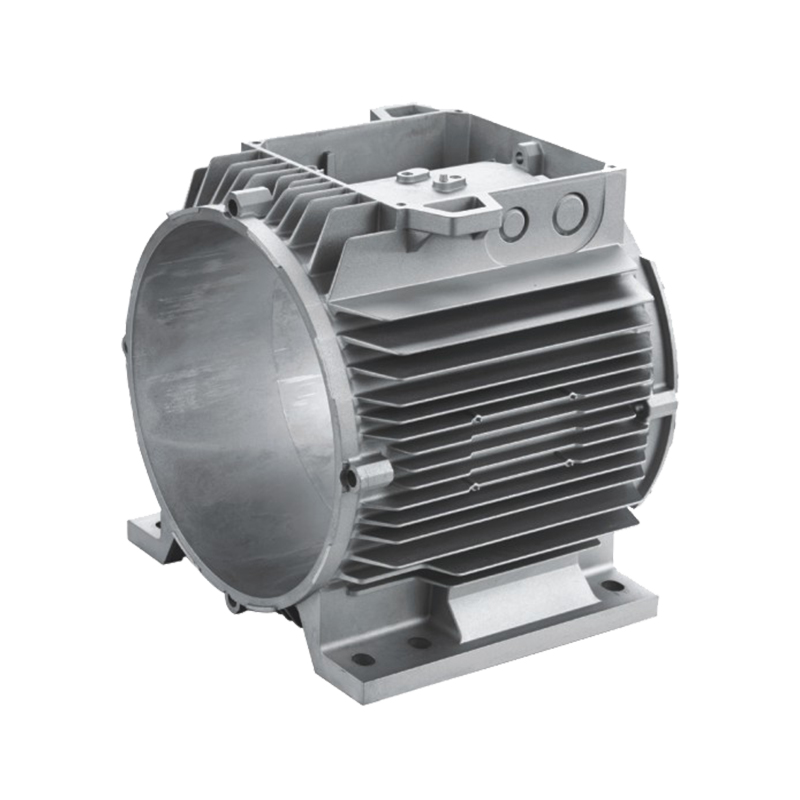 Electric Motor Housing Stator Frame Aluminum Die CastingElectric Motor Housing Stator Frame Aluminum Die CastingView Product →
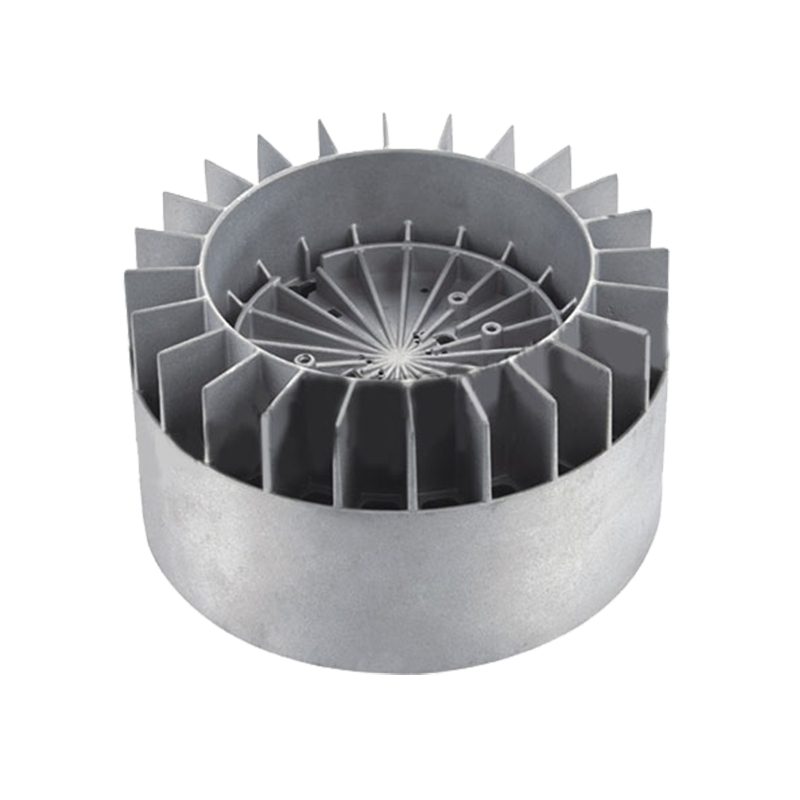
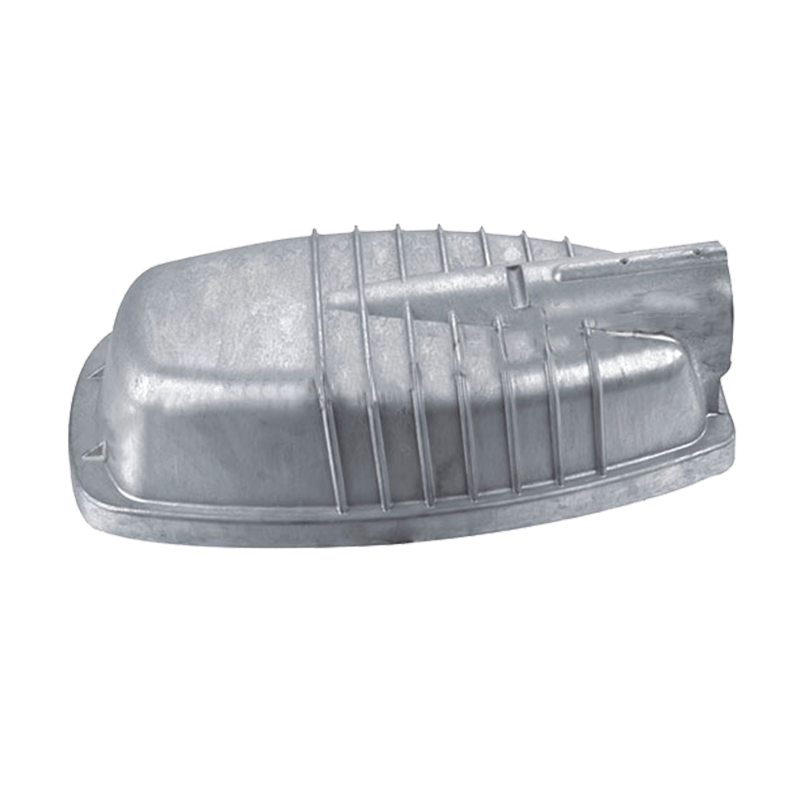
LED housings and heat sinks, gearbox and hoisting components, control valves and pneumatic parts follow the same logic: thinner walls, fewer pinholes after coating, better pressure tightness.
Indicative split of vacuum-assisted and high-vacuum work in a mixed automotive and industrial order book.
Buyers who treat vacuum as a universal upgrade usually pay for tooling they cannot use. It is worth being clear about the limits.
The process only delivers if the purchase specification supports it. Four points are worth writing into the enquiry.
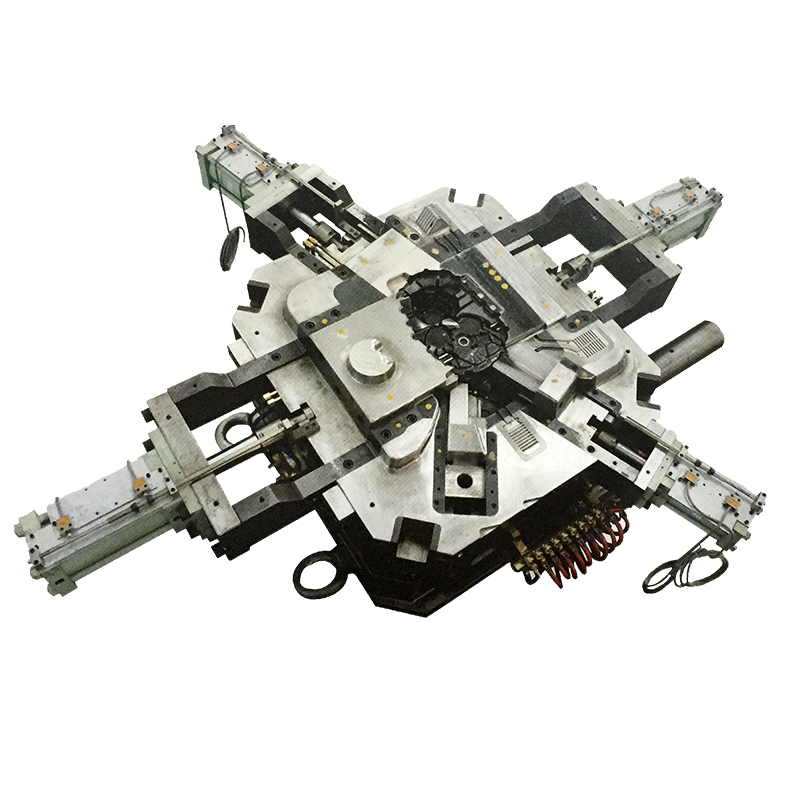
Ningbo Jieda Molding & Machine builds aluminum and zinc dies and casts parts at its Beilun plant, with in-house CNC machining, powder coating and anodizing, IATF16949 certification, and cold-chamber machines from 200 t to 1,600 t. The mold side of that chain is where a vacuum program is won or lost.
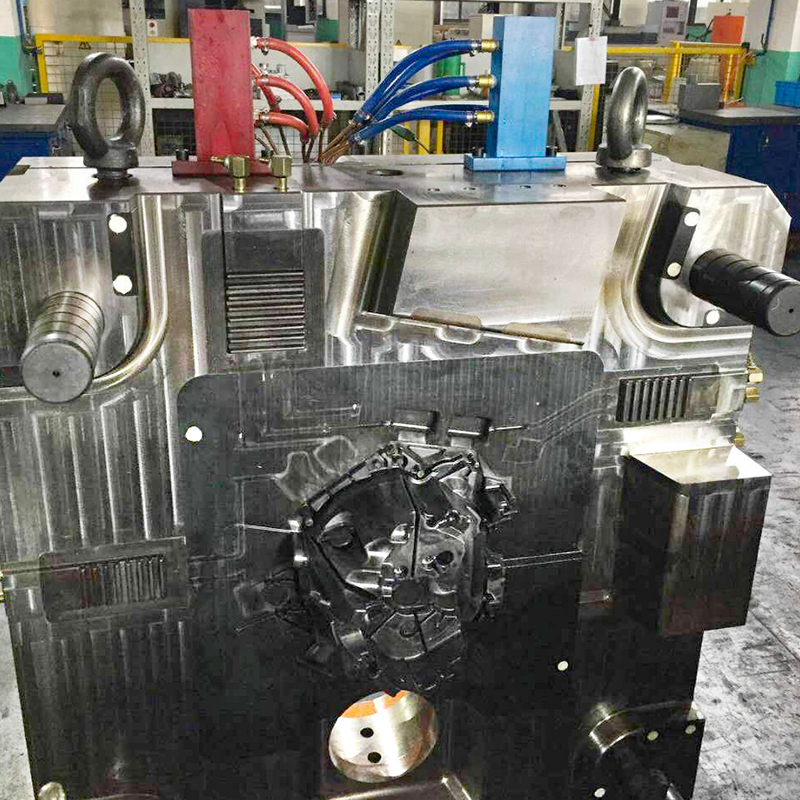 Aluminum Die Casting Molds Customized High-pressureAluminum Die Casting Molds Customized High-pressureView Product →
You can read more about the company and its die casting operation if you need to check capacity or equipment fit.
No. Vacuum-assisted casting uses a modest vacuum, usually 200-500 mbar, mainly to help the vents. High-vacuum casting pulls the cavity to 50-100 mbar and is the version that makes heat treatment, welding and reliable pressure tightness realistic. When a supplier quotes vacuum die casting, ask for the measured cavity pressure.
Standard Al-Si alloys such as A380 or ADC12 gain mainly in scrap rate and surface quality. Structural alloys with low iron and controlled manganese, used for thin-walled and heat-treatable parts, gain much more; they are the reason high-vacuum systems were developed. Zinc alloys can also be cast under vacuum, but the benefit is smaller because zinc flows more easily.
No. It lowers the probability of large gas pores, but shrinkage porosity, cold shuts and inclusions still occur. Most programs keep sampling X-ray plus 100% leak testing on pressure-tight parts, and use the vacuum log to demonstrate process stability instead.
If the part must hold pressure, be heat treated or be welded, usually yes; the alternative is a different process or an impregnation step. For a simple, thick-walled, non-pressurized part, the extra 10-25% in die cost rarely pays back.
The advantage of vacuum die casting is not one feature. It is a change in what the process is allowed to promise: a casting that holds pressure, survives a heat treatment cycle, accepts a coating without blistering, and reaches machining with a predictable reject rate. If your next part is judged by a leak test or a fatigue requirement, that change is worth paying for. If it is a bracket, it probably is not.
ARE YOU READY TO COOPERATE WITH jieda?
* Your email is safe with us, we don’t spam.

PRODUCTS
CONTACT INFO
nbjd011@126.com
+86-574-86115705
No. 58 Mould Road, Daqi Technology Industrial Zone, Beilun District, Ningbo

 English
 Español
 italiano