Content
Two drawings land on the same desk in the same week. One is a 120 g latch bracket for a passenger-car door; the other is a 1.8 kg motor housing that sits about 90 mm from an exhaust manifold. Both carry the same note: "die cast, alloy to be confirmed."
The short answer, before any table: choose zinc when the part is small, thin-walled, cosmetically visible, or must hold tight tolerances with almost no machining. Choose aluminum when the part is large, weight-sensitive, or runs hot.
That single rule settles most automotive die-casting decisions. What it does not tell you is where the boundary actually sits, what it costs to guess wrong, and which drawing details have to change when you switch alloys. Those three questions are the rest of this article.
Zinc and aluminum are cast on different machines for a physical reason. Zinc alloys melt near 390 °C, low enough that a hot-chamber machine keeps the pot, gooseneck, and nozzle submerged in the melt and shoots a measured dose in seconds. Aluminum melts near 600 °C and is poured at 650–700 °C, which would destroy the ferrous parts of a hot chamber, so aluminum runs cold-chamber: metal is ladled into a shot sleeve every cycle.
That process gap explains most of the downstream consequences. Zinc fills thinner sections faster, holds tighter dimensions, and leaves a better as-cast surface. Aluminum carries far less mass for the same volume and tolerates much more heat.
| Property | Zamak 3 (zinc) | A380 / ADC12 (aluminum) |
|---|---|---|
| Density | 6.6 g/cm³ | 2.71 g/cm³ |
| Melting point | ~387 °C | ~600 °C, poured at 650–700 °C |
| Ultimate tensile strength | ~283 MPa | ~324 MPa |
| Yield strength | ~221 MPa | ~159 MPa |
| Hardness | ~82 HB | ~80 HB |
| Thermal conductivity | ~113 W/m·K | ~96 W/m·K |
| Practical minimum wall | 0.5–1.0 mm | 1.5–2.5 mm |
| Linear tolerance, small features | ±0.025–0.05 mm | ±0.05–0.13 mm |
| Casting process | Hot chamber | Cold chamber |
| Typical die life | Often 500,000+ shots | Typically 100,000–150,000 shots |
Zinc is about 2.4 times denser than aluminum. Redesign the same volume from zinc into aluminum and you remove roughly 59% of the mass. That is why weight-driven programs, such as EV range or unsprung mass targets, start with aluminum and rarely look back.
The trade-off is wall thickness. A 0.6 mm rib casts reliably in zinc; the same rib in A380 is likely to short-shot or cold-shut, so the design moves to 1.5–2.5 mm. Thicker walls on a lighter alloy claw back part of the weight advantage and always add solidification time and cycle cost.
The third number is temperature, and it is where most field failures begin. Die-cast zinc loses strength fast above roughly 95–100 °C and creeps under steady load, so a bolted joint that holds torque at room temperature can relax after a summer of under-hood heat. A380 aluminum holds most of its strength to about 150 °C, and grades such as A360 or AlSi10MnMg push further.
Comparing the two alloys by metal price alone is a trap. Zinc alloy usually costs more per kilogram than aluminum, and because it is denser, a zinc part of the same volume also consumes more kilograms. On material cost, zinc loses almost every time.
The comparison flips once you count the rest of the process. Lower melting point and faster solidification cut cycle time, and hot-chamber casting trims scrap. Thin walls and tight tolerances mean the part leaves the die close to net shape, so drilling, milling, and finishing drop away. Dies run cooler and last far longer, spreading tooling cost over more parts. Zinc also machines faster and taps cleaner, which matters for brackets and housings with a dozen threaded holes.
A workable rule: zinc wins when machining content is high, tolerances are tight, or annual volume is large. Aluminum wins when the part is heavy, large, or heat-loaded, because no process saving offsets a 2.4× density penalty or a creep failure in service. Tooling follows the same logic, and it is a different engineering exercise for each route: aluminum dies need hot-work tool steel, generous cooling, and thermal management to survive 650 °C metal cycle after cycle.
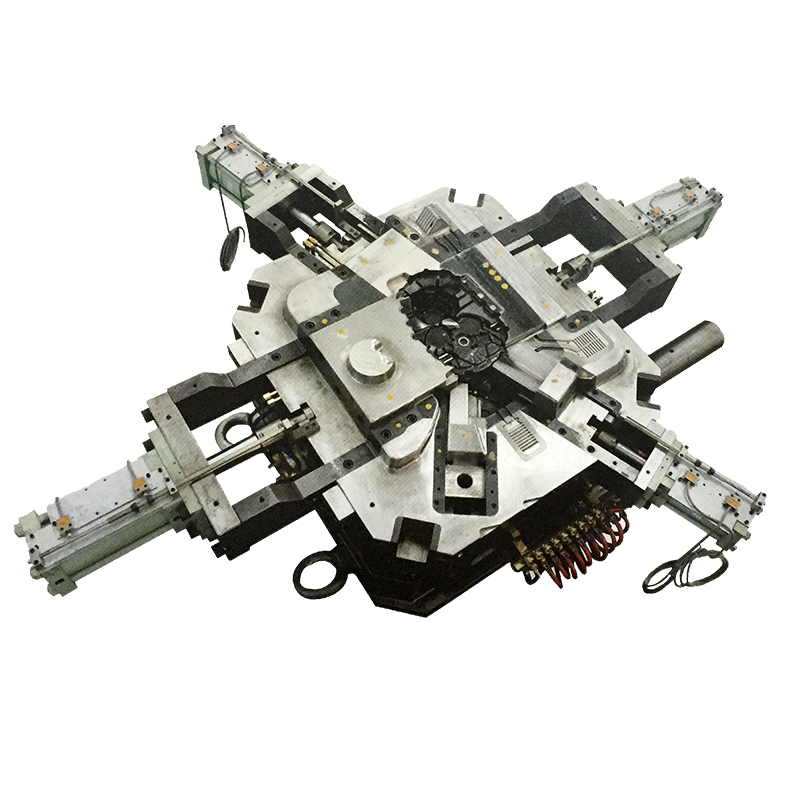
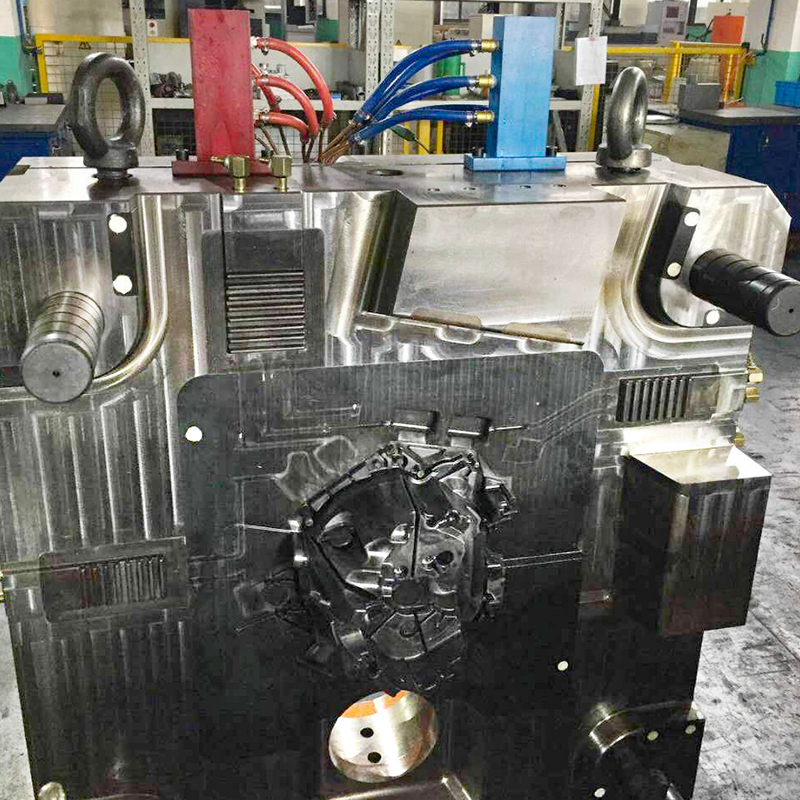 Custom High-Pressure Aluminum Die-Casting MoldsCustom high-pressure aluminum die-casting molds for precise components; review when tight tolerances or high annual volumes make aluminum tooling the practical route.View Product →
Zinc earns its place on small, precise, high-volume components where secondary operations would otherwise dominate the piece price:
Each of these parts is small enough that the density penalty is measured in grams, while the precision benefit is measured in eliminated machining steps and lower scrap.
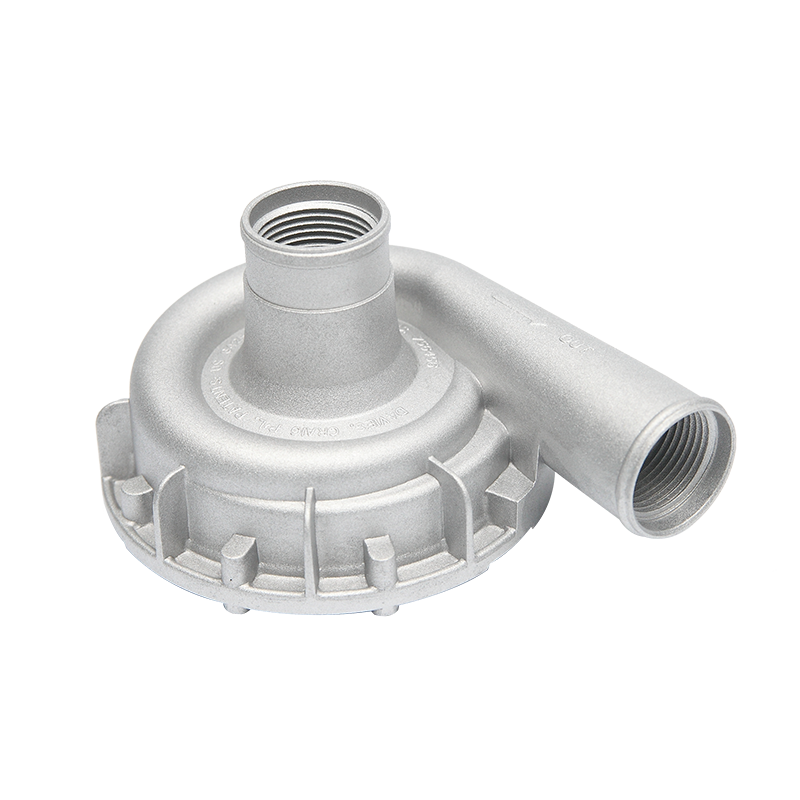
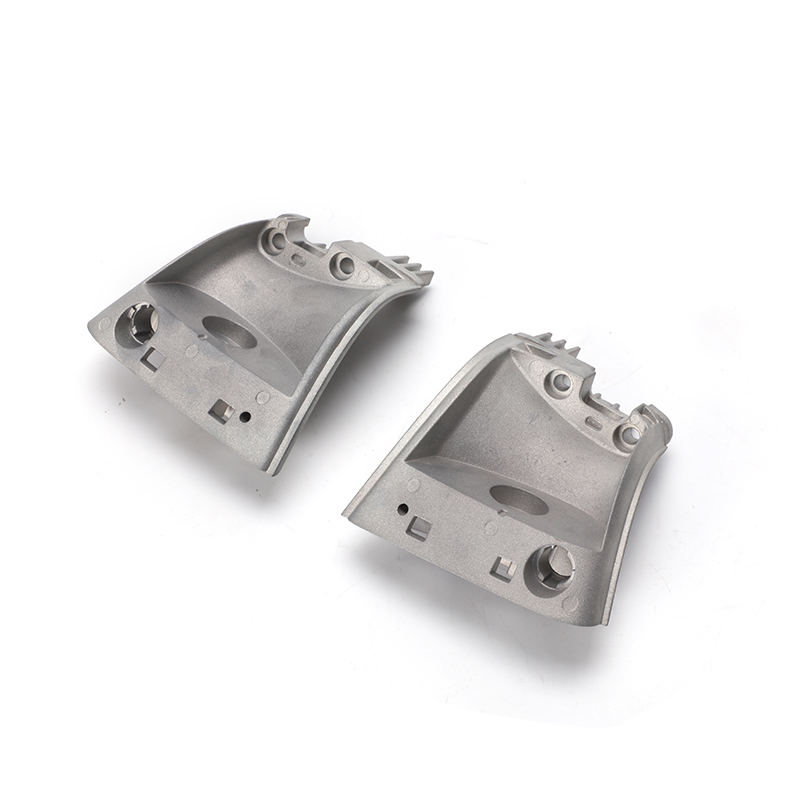 Zinc Die-Cast Car Luggage Rack Support BracketSmall zinc alloy die-cast support bracket for car luggage racks, suited to compact automotive parts where precision and reduced machining matter.View Product →
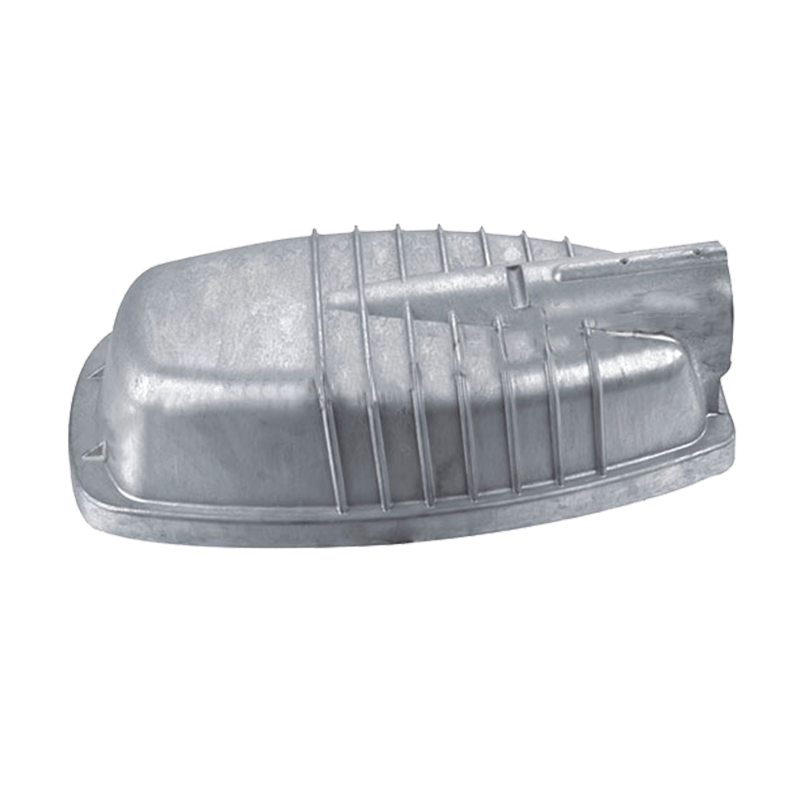
Aluminum takes the parts where mass or heat rules:
Zinc is rarely competitive above a few kilograms, so on large castings the decision is often made for you by the machine, not by the material data sheet.
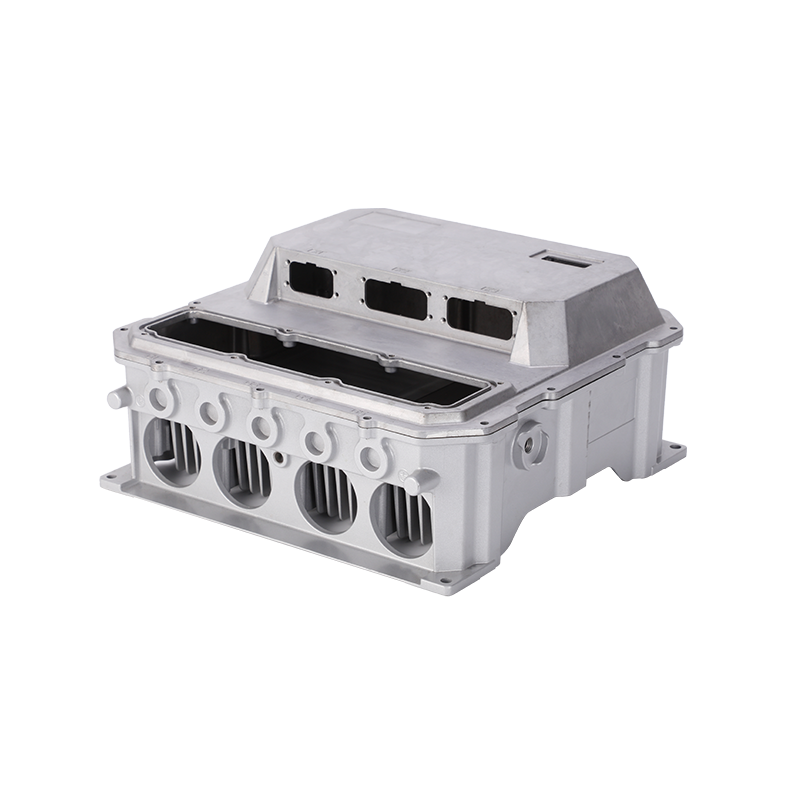
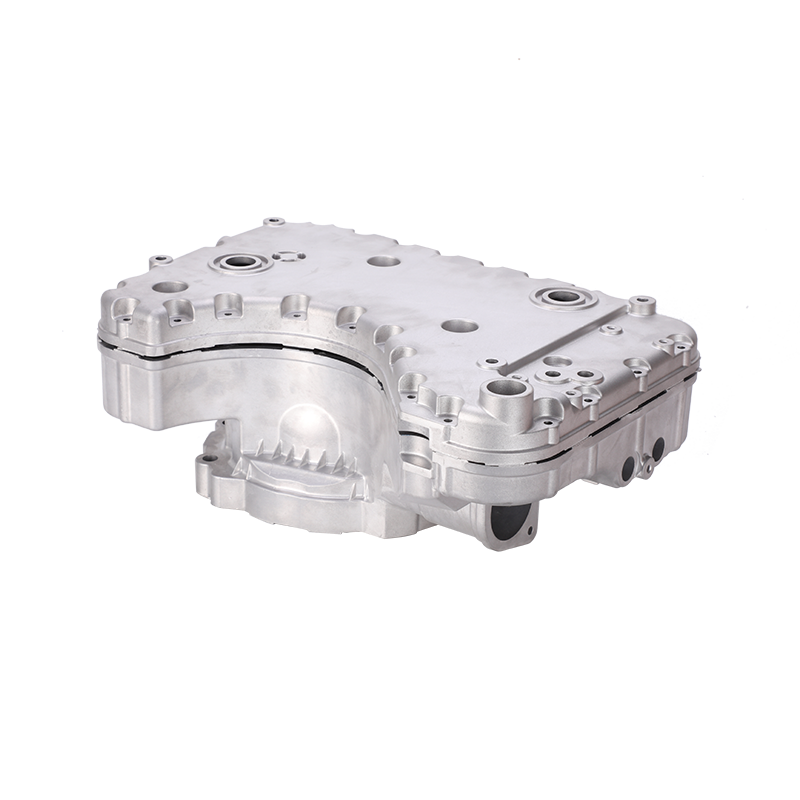
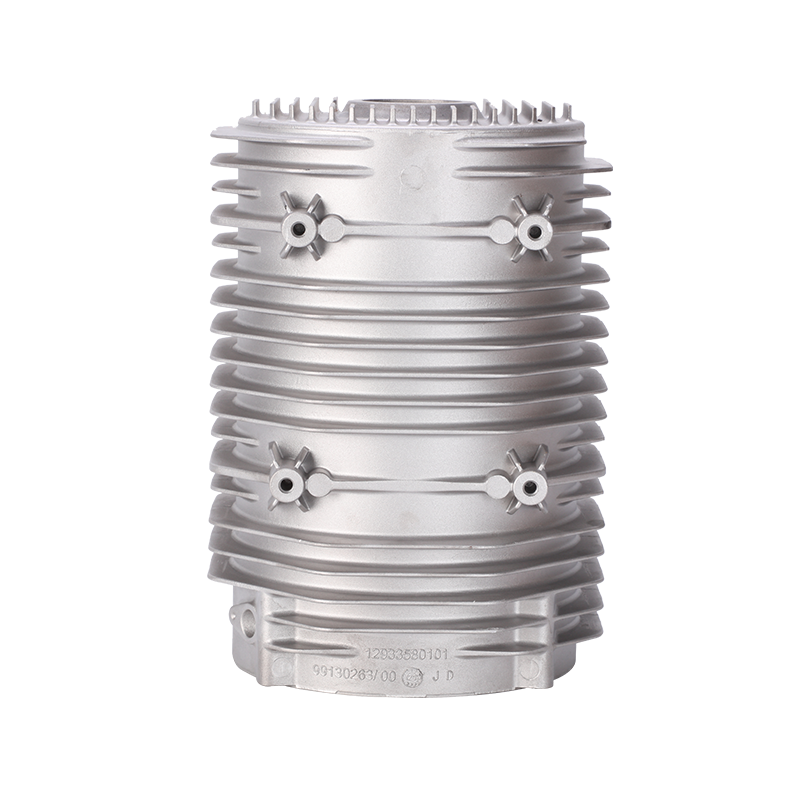
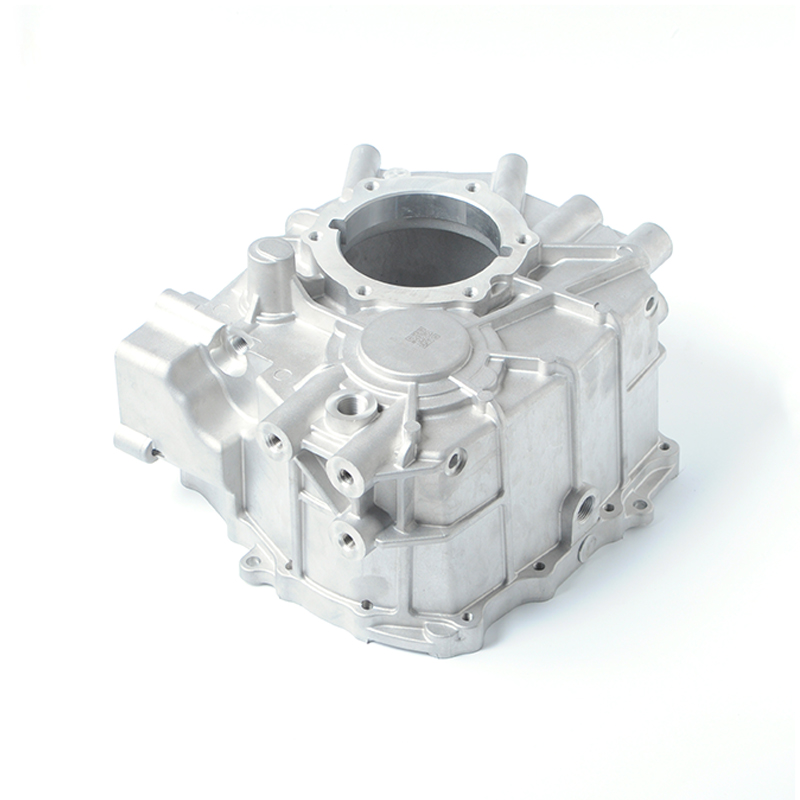 High-Pressure Aluminum Die-Cast Automobile Motor HousingAluminum die-cast motor housing for automotive use, from 2 kg to 20 kg, suited to larger castings where mass and heat guide material choice.View Product →
Zinc accepts formed and tapped threads well and holds torque in thin sections, so small zinc brackets often need no inserts. Aluminum is softer at the thread flank, so anything opened and closed in service — a cover, an access panel, a filter housing — should carry a steel insert or a thread-forming screw engineered for aluminum. On parts such as sealed oil pans and sumps, the bolt pattern and boss height have to be designed around that thread behaviour, not copied from a zinc drawing.
Zinc sits below aluminum, steel, and stainless steel in the galvanic series, so a zinc part bolted to an aluminum structure becomes the sacrificial anode. In road-salt or coastal service it corrodes first. Coatings, isolation washers, or an aluminum bracket are the usual fixes, and this is one reason zinc is less common on exterior chassis hardware.
Above roughly 95 °C, zinc deforms slowly under permanent load. Any zinc part carrying a preload near a heat source should be evaluated with a temperature margin, or moved to aluminum.
Zinc takes passivation, powder coating, e-coat, and decorative plating with little surface preparation. High-silicon aluminum such as A380 anodizes unevenly and often turns dark or mottled, so programs needing a uniform anodized look usually specify a lower-silicon alloy or switch to powder coating instead.
Not per kilogram. Zinc alloy usually costs more, and it is 2.4 times denser. Zinc becomes cheaper at the finished-part level when tight tolerances, thin walls, and heavy machining content would otherwise drive aluminum's processing cost up, or when volume is high enough to benefit from longer die life.
Yes, but not in direct wet contact. Zinc is the anode in the couple and will corrode preferentially. Use coatings, isolation washers, or a compatible sealant at the joint.
A380 aluminum has the higher ultimate tensile strength, about 324 MPa against 283 MPa for Zamak 3, while zinc has the higher yield strength. Strength per kilogram is not close: aluminum wins by a wide margin.
Zinc casts reliably at 0.5–1.0 mm walls. Aluminum needs roughly 1.5–2.5 mm depending on geometry and flow length. Go thinner than those limits and expect short shots, cold shuts, and porosity.
Aluminum, almost without exception. These parts are large, need thermal paths, and often carry structural or sealing features. Zinc still enters the same vehicle in small brackets, connectors, and latch components.
ARE YOU READY TO COOPERATE WITH jieda?
* Your email is safe with us, we don’t spam.

PRODUCTS
CONTACT INFO
nbjd011@126.com
+86-574-86115705
No. 58 Mould Road, Daqi Technology Industrial Zone, Beilun District, Ningbo

 English
 Español
 italiano