Content
A die casting plant running 24/7 faces hundreds of variables—melt temperature, injection speed, mold cooling rate, and more. Without real-time data, operators rely on experience and periodic checks, leaving a gap between what should happen and what actually happens. Industry 4.0 closes that gap. For smart foundries, the result is not a theoretical concept but measurable improvements: defect rates drop by over 60%, tooling life extends by 30–50%, and cycle times become repeatable to within a fraction of a second. This article explains exactly how smart die casting works, what it delivers, and how a modern foundry like Ningbo Jieda integrates these principles into production.
A smart foundry applies Industry 4.0 pillars—IoT sensors, edge computing, cloud analytics, and digital twins—to the die casting process. The core idea is simple: every machine, every shot, and every die becomes a data source. The foundry captures injection profiles, temperature gradients, pressure curves, and cycle times in real time. Rather than inspecting quality after casting, the system predicts defects before they happen and adjusts parameters automatically.
Consider the high-pressure die casting of an automotive motor housing. In a conventional setup, the operator may check cavity temperature once every 50 shots. In a smart foundry, thermocouples embedded in the die report temperature every 0.1 second. When the system detects a rising trend outside the tolerance window, it alerts maintenance or slows the cycle to prevent soldering. The result is consistent parts, less scrap, and longer mold life.
| Parameter | Traditional Foundry | Smart Foundry (Industry 4.0) |
|---|---|---|
| Process monitoring | Manual spot checks | Continuous real-time sensing |
| Defect detection | Post-cast inspection | In-process prediction |
| Parameter adjustment | Operator experience | Automated closed-loop control |
| Tooling maintenance | Fixed schedule | Condition-based (predictive) |
| Yield (first-pass) | 85–92% typical | 95–98% achievable |
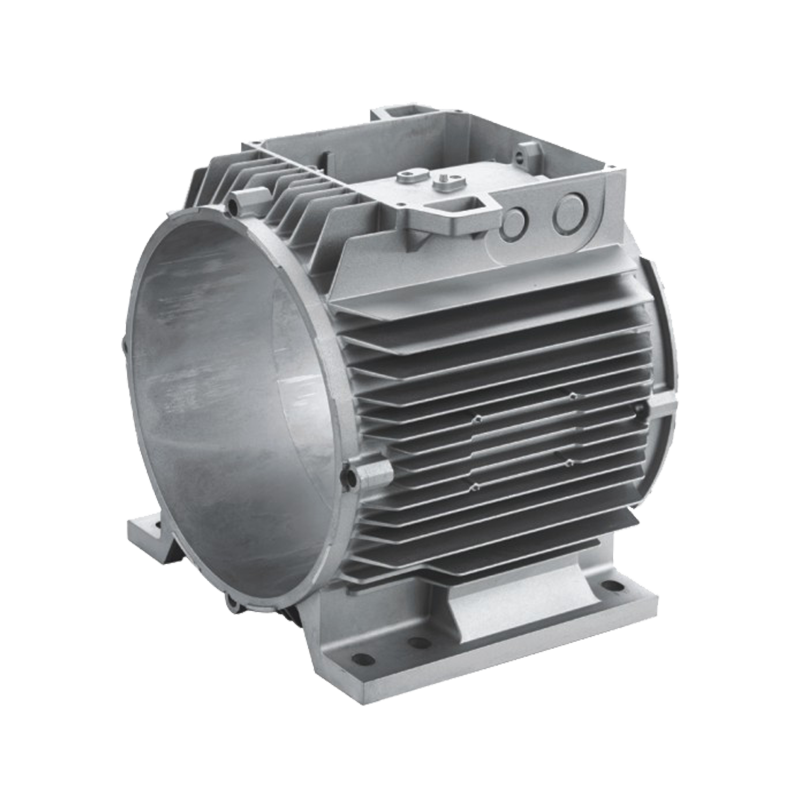
Jieda’s production system, which follows a closed-loop management model of “risk prevention, clear objectives, objective data, and continuous improvement,” aligns closely with this data-driven approach. The company’s automobile motor housing in high-pressure aluminum die casting exemplifies how consistent process control translates into reliable parts for demanding automotive applications.
The single most powerful advantage of smart foundry technology is defect reduction. By continuously monitoring injection velocity, intensification pressure, and die temperature, the system can flag anomalies before they produce scrap. One large European die caster reported a 73% drop in internal porosity after implementing closed-loop shot control. For a part like a die casting control box housing for new energy electric automobiles, where airtightness and thermal management are critical, even a 1% porosity improvement can mean the difference between passing and failing a leak test.
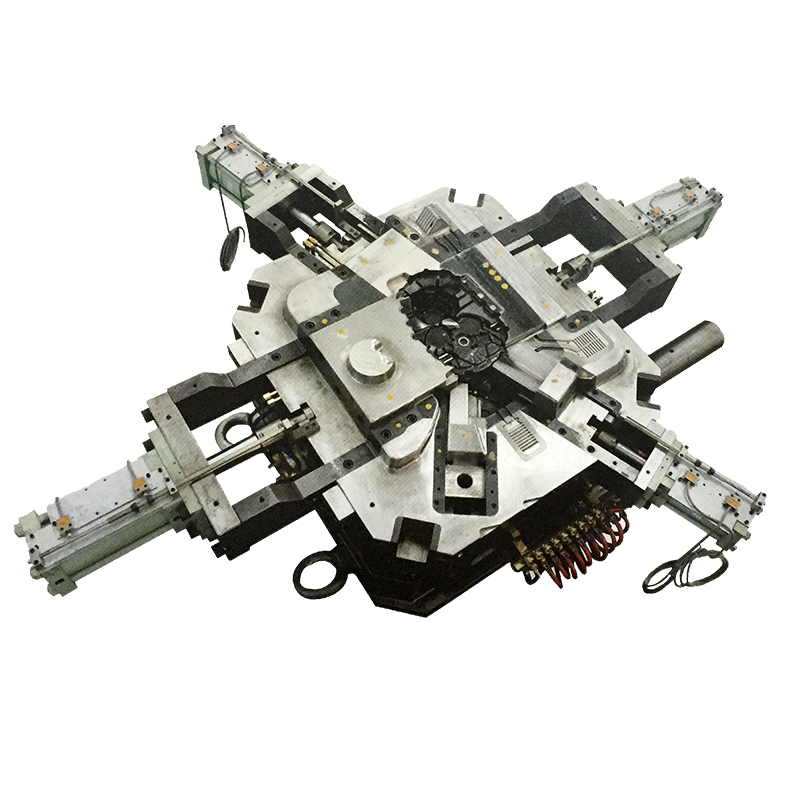
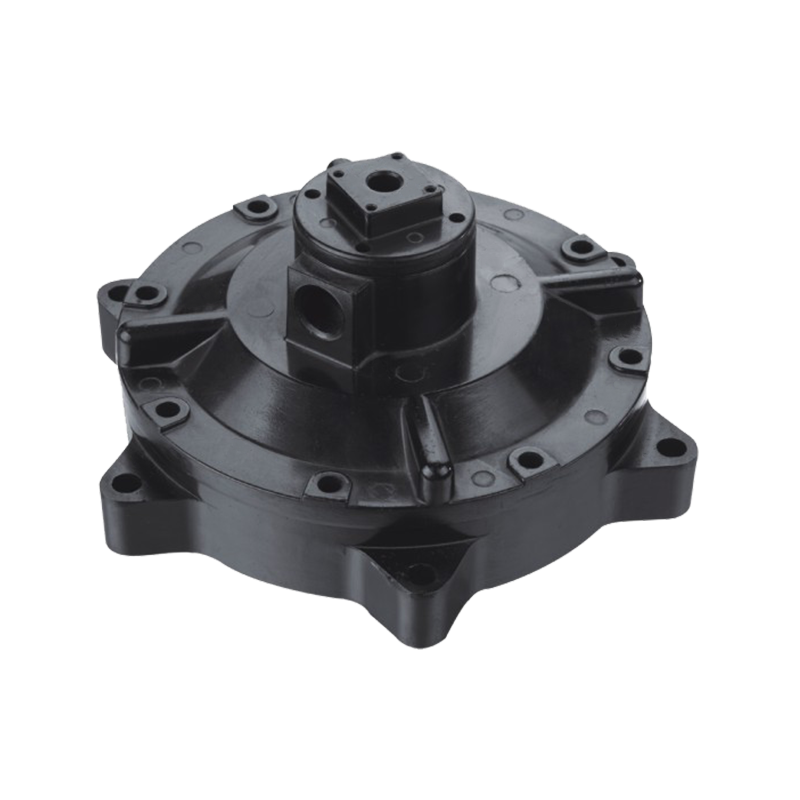
Thermal fatigue and erosion are the main causes of die failure. Smart foundries embed thermocouples and strain gauges in critical areas of the mold. When the system detects temperature spikes or abnormal stress patterns, it recommends cooling adjustments or early maintenance. This extends die life by 30–50% and reduces unplanned downtime. Jieda’s own customized high-pressure aluminum die casting molds benefit from such condition-based care, especially in high-volume runs for automotive and EV components.
Industry 4.0 also cuts energy consumption. By analyzing the energy profile of each shot, the system identifies idle time, unnecessary hold pressure, or overheating. One study showed that a smart foundry reduced total energy per part by 18% while increasing throughput by 12%. The typical return on investment for these upgrades falls between 12 and 18 months.
Industry data from multiple smart foundry case studies.
The shift to electric vehicles has accelerated demand for complex, high-integrity die castings—battery housings, control box enclosures, and motor frames. These parts must withstand mechanical loads, thermal cycles, and stringent safety standards. Smart foundry technologies are essential to meeting those requirements at scale.
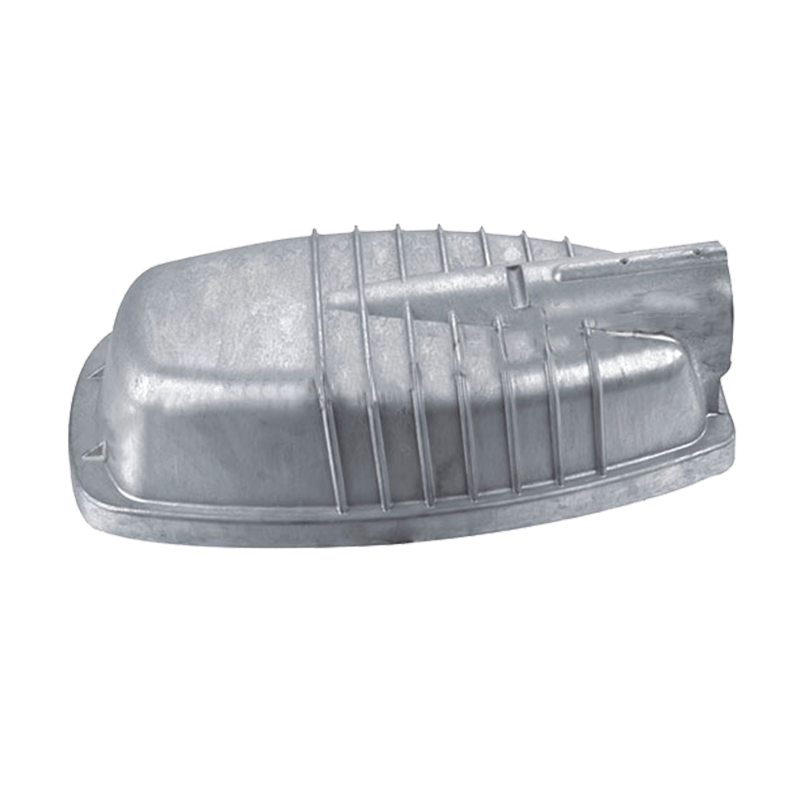
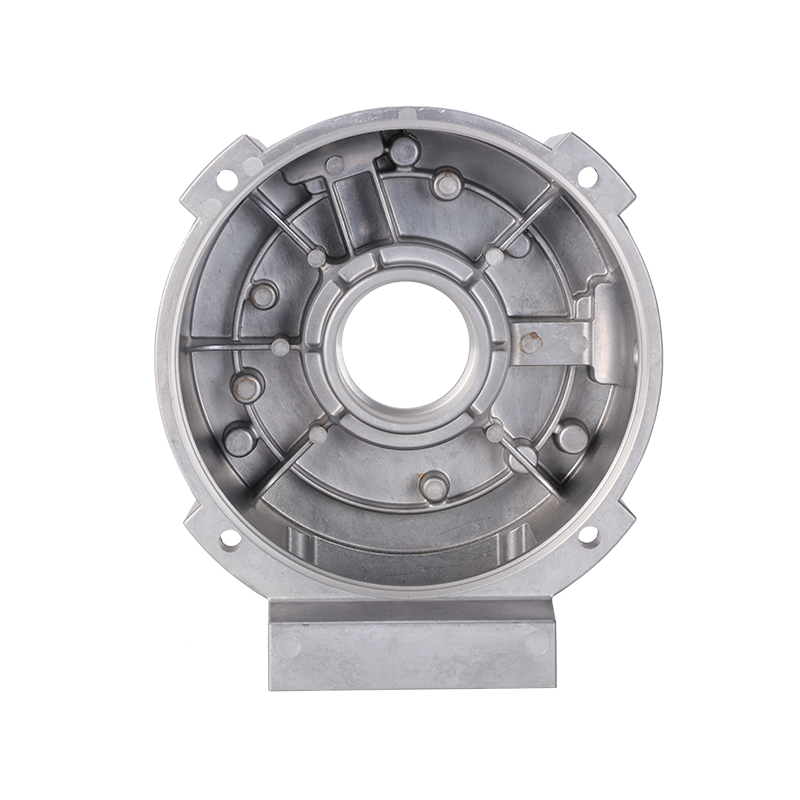
A battery housing for an EV must be leak-tight, lightweight, and capable of dissipating heat. Jieda produces this part using high-pressure aluminum die casting, with real-time shot monitoring to ensure consistent fill and minimal porosity. The result is a housing that passes IP67 sealing tests on the first try. 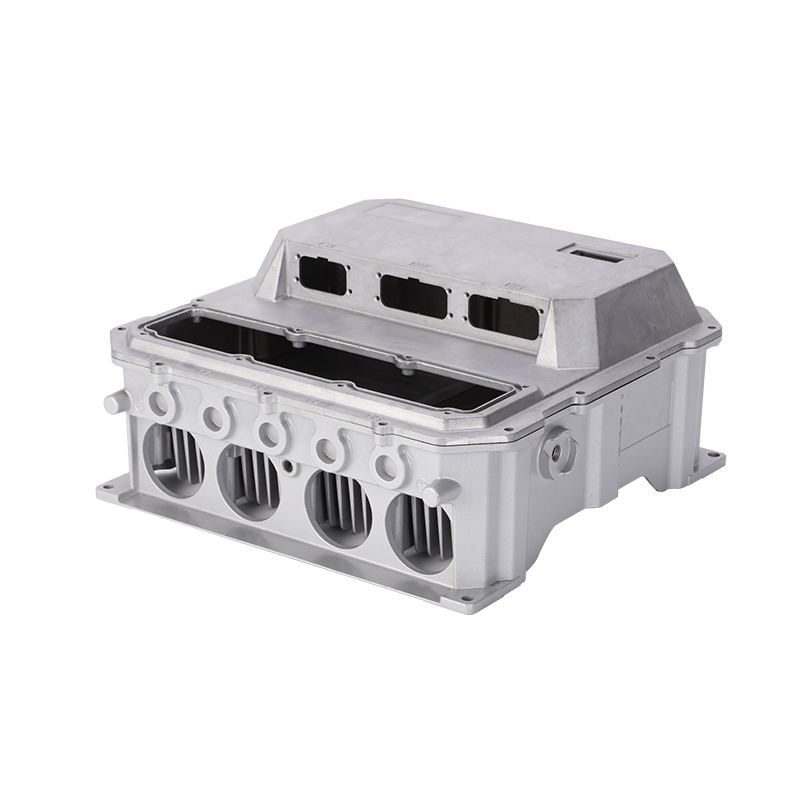 Battery Housing and Cover for Electric VehiclesThis aluminum die-cast housing ensures leak-tight sealing and effective heat dissipation, passing IP67 tests through real-time shot monitoring. It offers high strength and lightweight protection for EV batteries.View Product → This product demonstrates how process control directly enables safety and reliability in new energy vehicles.
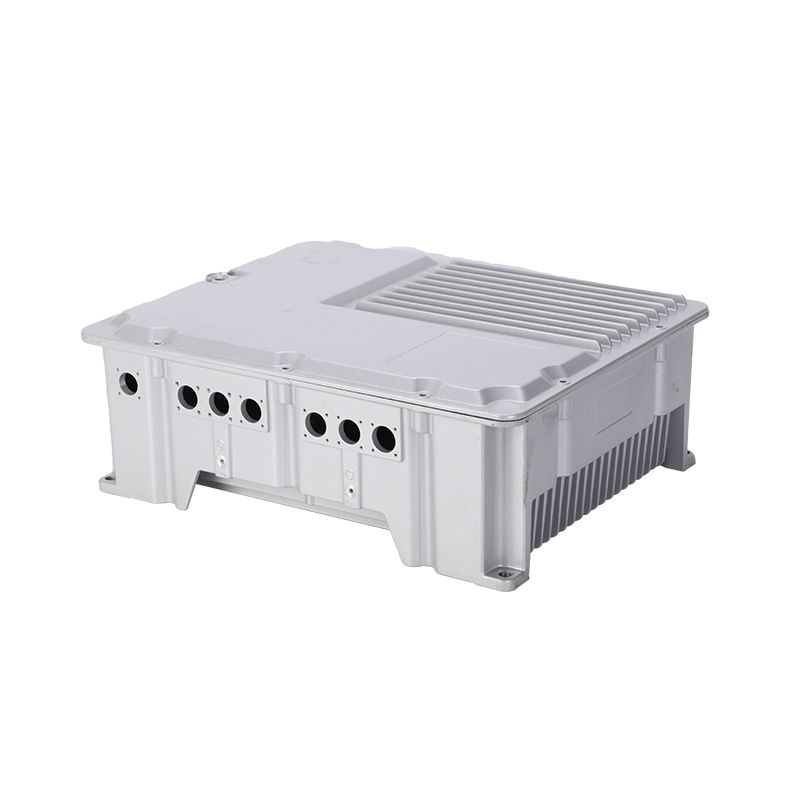
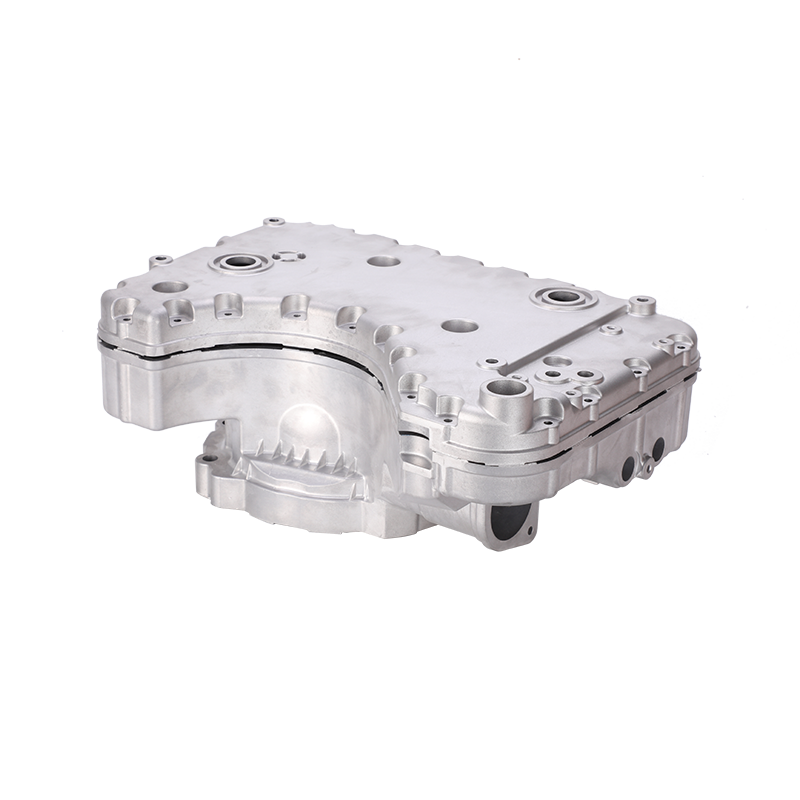
The control box houses inverters and power electronics, requiring precise thermal management. Smart foundry techniques—like monitoring die temperature distribution and adjusting cooling channels—prevent hot spots that could cause electronic failures. 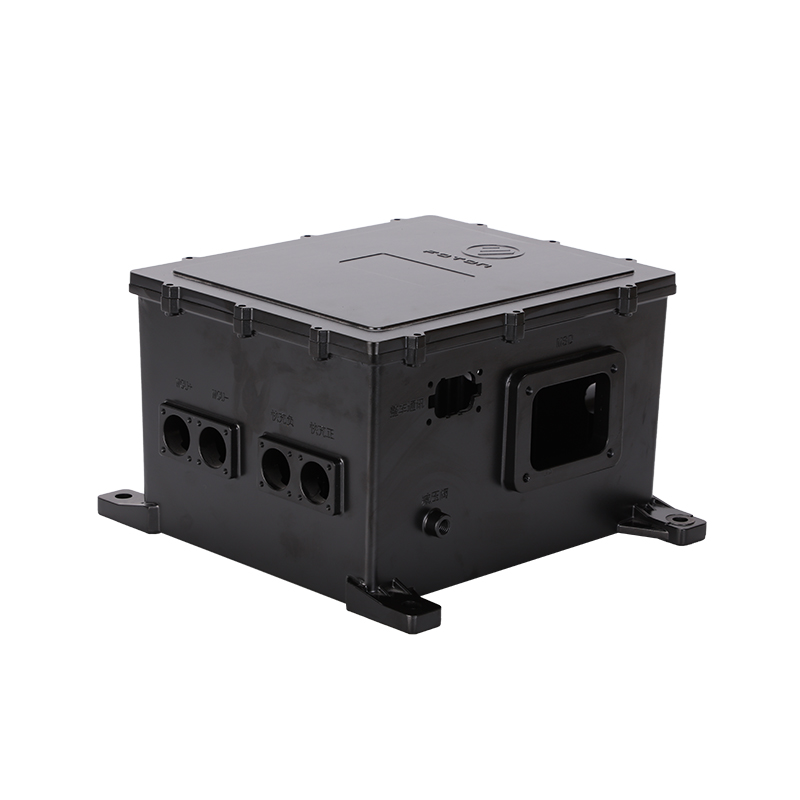 Die Casting Control Box Housing for New Energy VehiclesKey for installing and protecting controllers, this aluminum die-cast housing requires superior heat dissipation and structural integrity. Smart monitoring of die conditions helps prevent defects critical for passing leak and thermal tests.View Product → Jieda’s control box housing benefits from these same Industry 4.0 practices, ensuring dimensional stability over long production runs.
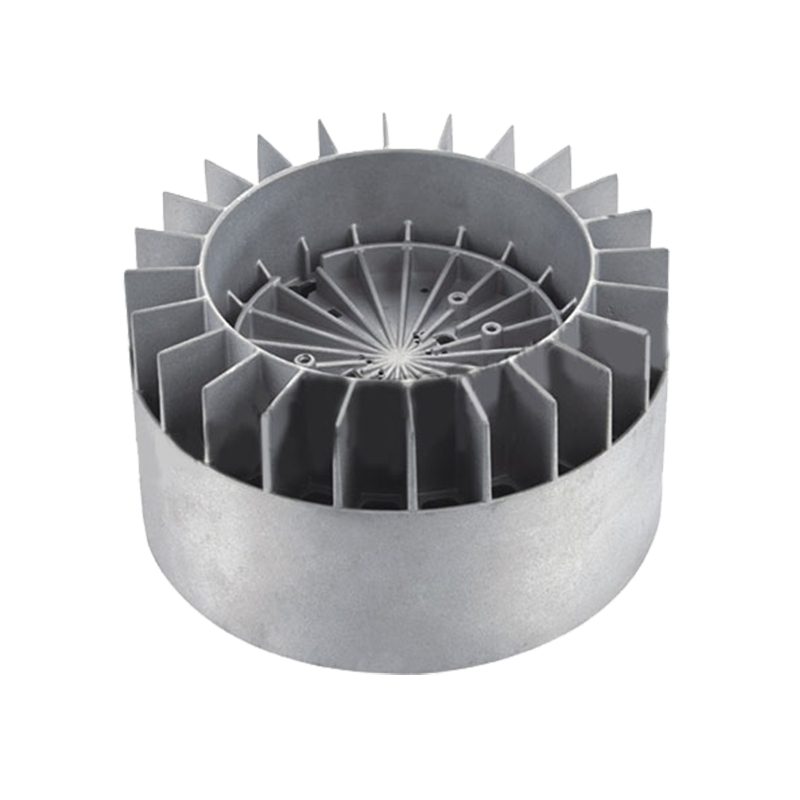
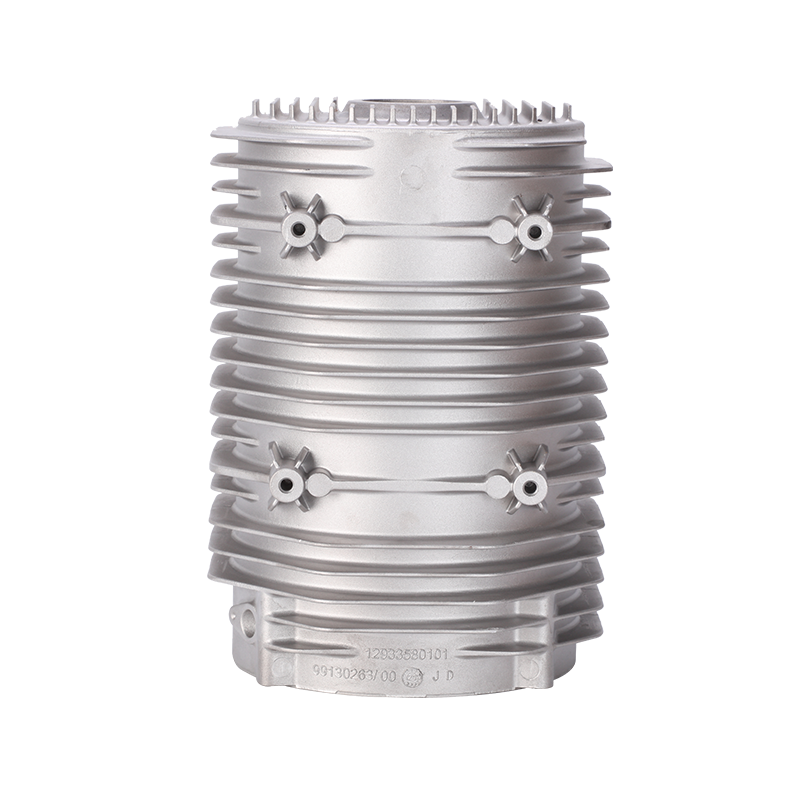
Automotive motor housings demand tight tolerances on bore diameters and flatness. Closed-loop injection control maintains consistent filling patterns, reducing distortion. 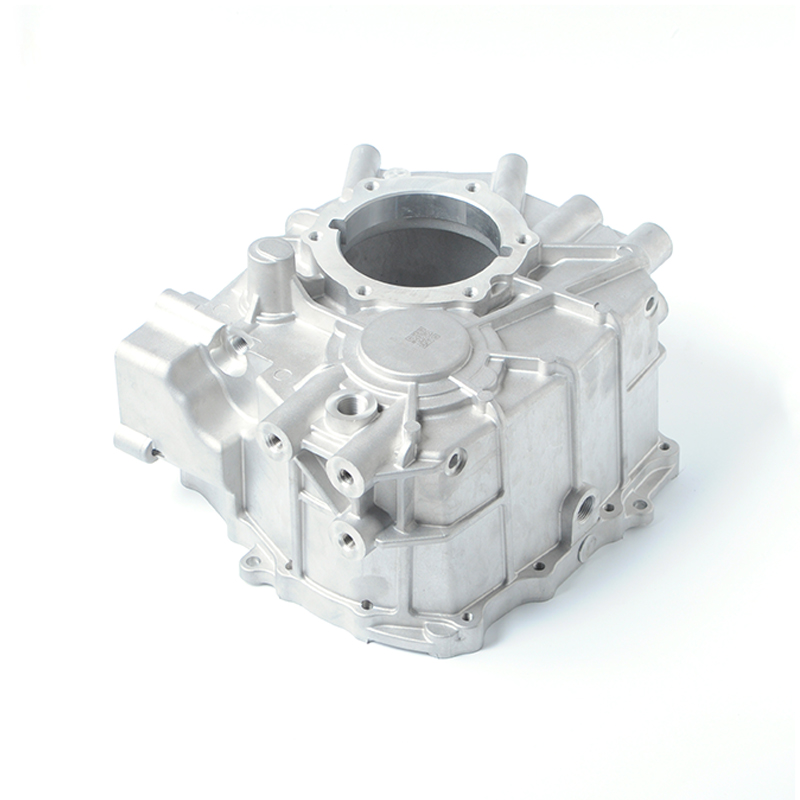 High-Pressure Aluminum Die Cast Motor HousingProduced with closed-loop process control, this motor housing delivers consistent mechanical support and dust protection. Its high-pressure aluminum die casting ensures reliable performance and improved motor efficiency for demanding automotive applications.View Product → This motor housing is produced with the same data-driven mindset, meeting the rigorous quality expectations of global automotive Tier-1 suppliers.
Transitioning to a smart foundry does not require replacing every machine overnight. The most effective approach is incremental: start with one critical cell, instrument the die, and connect the press PLC to a data aggregation platform. Within weeks, you will see patterns—like temperature drift or pressure spikes—that were invisible before. Use that data to adjust parameters manually, then gradually close the loop with automated controls.
Key steps include:
Jieda’s IATF16949-certified management system provides a solid foundation for this approach, as the company already emphasizes “objective data” and “continuous improvement.” Working with a foundry that understands data discipline can accelerate your own smart manufacturing adoption.
Yes. The cost of sensors and edge computing has dropped dramatically. A small foundry can start with a single press and a basic data collection platform for under $10,000. The return from reduced scrap and fewer die repairs typically covers the investment in the first year.
Most foundries see a measurable drop in defect rates within the first month of continuous monitoring. Full closed-loop optimization may take 3–6 months, but the learning curve is short when you have reliable data.
Culture and data literacy are often bigger hurdles than hardware. Operators and engineers need to trust the data and act on it. Training and clear dashboards are essential. Jieda’s team of 28 R&D and management personnel demonstrates that even a mid-sized foundry can build the necessary expertise.
Absolutely. By reducing scrap, optimizing energy use, and extending die life, smart foundry practices directly lower the carbon footprint per part. Some plants report a 15–25% reduction in CO₂ emissions after full implementation.
ARE YOU READY TO COOPERATE WITH jieda?
* Your email is safe with us, we don’t spam.

PRODUCTS
CONTACT INFO
nbjd011@126.com
+86-574-86115705
No. 58 Mould Road, Daqi Technology Industrial Zone, Beilun District, Ningbo

 English
 Español
 italiano