Content
Choose die casting when you need thousands of identical, thin-walled metal parts at a low cost per piece. Choose CNC machining for prototypes and tight-tolerance one-offs, sand casting for very large or very small batches, and injection molding when plastic is acceptable.
These batch ranges are rules of thumb. The real break-even point depends on part weight, geometry, alloy and tolerance, so confirm it with a quote.
Die casting is a process that injects molten non-ferrous metal into a hardened steel mold at high pressure, then ejects a near-net-shape part within seconds. Because the mold is reused tens of thousands of times, the high tooling cost is spread across every part, and the cost per piece drops sharply as volume grows.
Ningbo Jieda Molding & Machine has built aluminum die casting molds and precision parts since 1987 in Beilun, Ningbo. Explore our die casting molds, aluminum die casting parts and zinc die casting parts.
Die casting offers the lowest metal cost per part at volume, but it demands the highest upfront tooling among the metal processes. The table below shows typical values to help you shortlist a process.
| Factor | Die casting | CNC machining | Sand casting | Injection molding |
|---|---|---|---|---|
| Best batch size | 3,000 to millions | 1 to 500 | 1 to 1,000 | 5,000 to millions |
| Cost per part at volume | Low | High | Medium | Very low |
| Typical minimum wall | About 1.0 to 2.5 mm aluminum, down to 0.5 mm zinc | About 0.5 to 1.0 mm | About 3 to 6 mm | About 0.5 to 3 mm |
| Surface finish (Ra) | 1.6 to 3.2 micrometers as cast | 0.4 to 3.2 micrometers | 6.3 to 25 micrometers | 0.1 to 1.6 micrometers |
| Materials | Aluminum, zinc, magnesium, copper alloys | Nearly any metal or plastic | Iron, steel, aluminum, bronze | Thermoplastics and some thermosets |
| Time to first parts | About 6 to 12 weeks | Days | About 2 to 4 weeks | About 4 to 10 weeks |
CNC wins below a few hundred parts, and die casting wins once tooling cost is spread across thousands of pieces. CNC removes material from solid billet, while die casting forms the shape in one shot.
As an illustration, a complex aluminum housing cut from billet can spend 20 to 40 minutes on a machining center and remove more than half of the starting metal. The same housing, die cast, leaves the machine in under two minutes and needs only light finishing on critical faces.
Sand casting wins on part size and tiny batches, while die casting wins on accuracy, surface quality and speed. Sand molds are cheap and disposable, but each mold is used once.
Die casting and injection molding follow the same logic, a reusable steel mold filled under pressure, but die casting makes metal parts and injection molding makes plastic parts. The deciding question is whether your part needs metal properties.
Many products use both: a die cast aluminum frame for strength and cooling, wrapped in injection molded plastic covers.
Die casting becomes the cheapest metal option once the batch passes roughly 3,000 pieces. The chart shows where each process usually makes financial sense on a logarithmic scale.
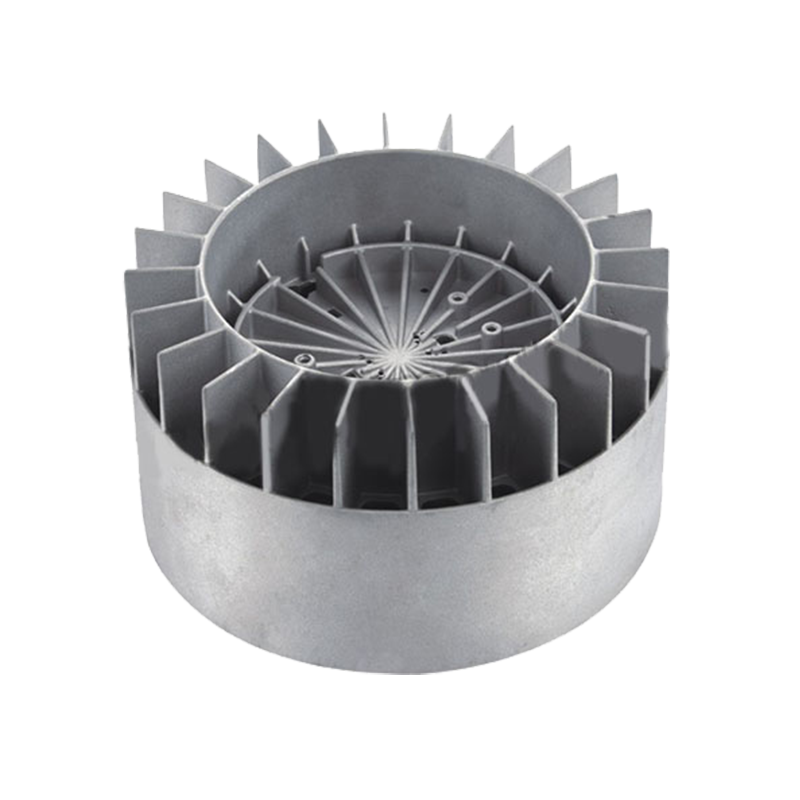
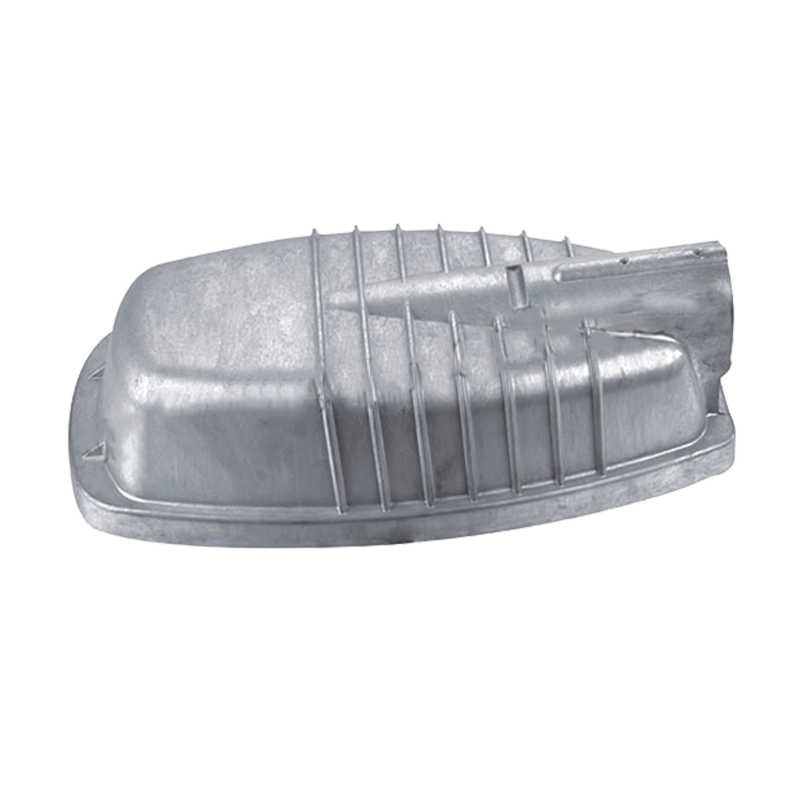
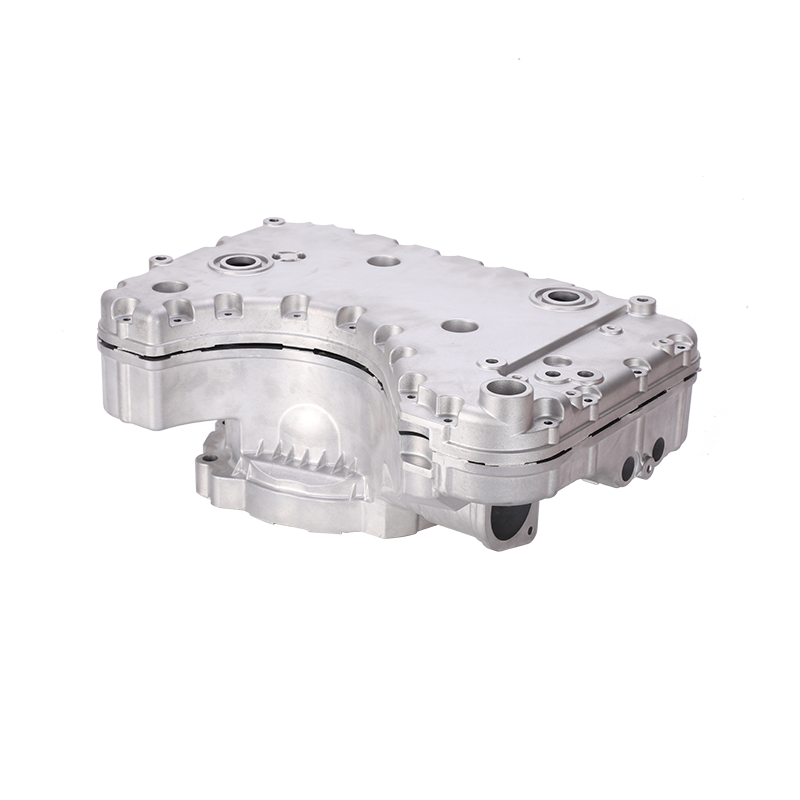
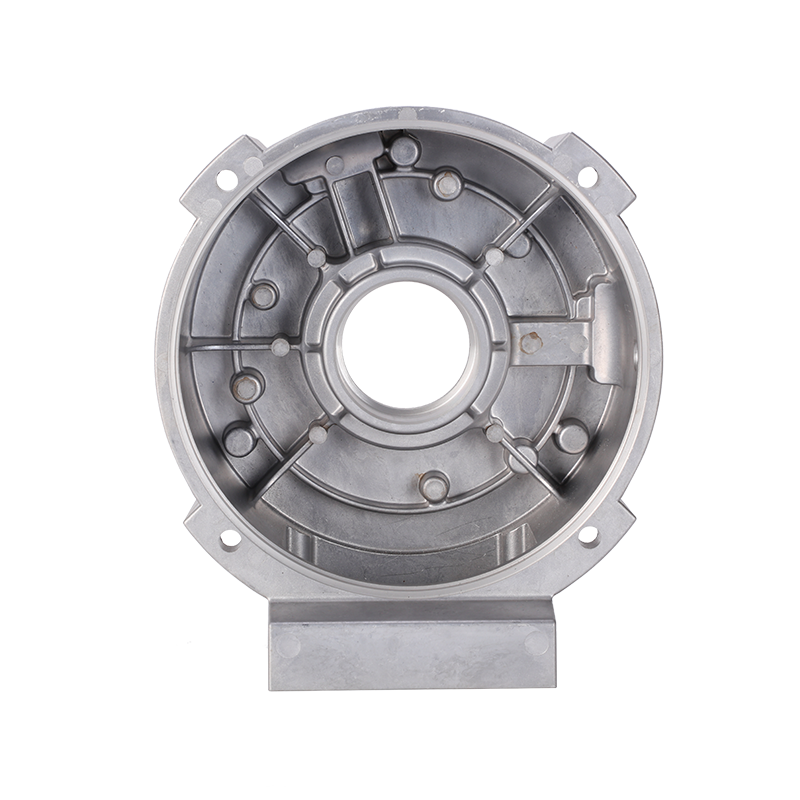
Jieda designs the mold and manufactures the die cast part under one roof, so one team owns tooling, casting, machining and finishing. Browse a selection of our work below.
 Aluminum Die Casting Molds Customized High-pressure Die Casting Mold
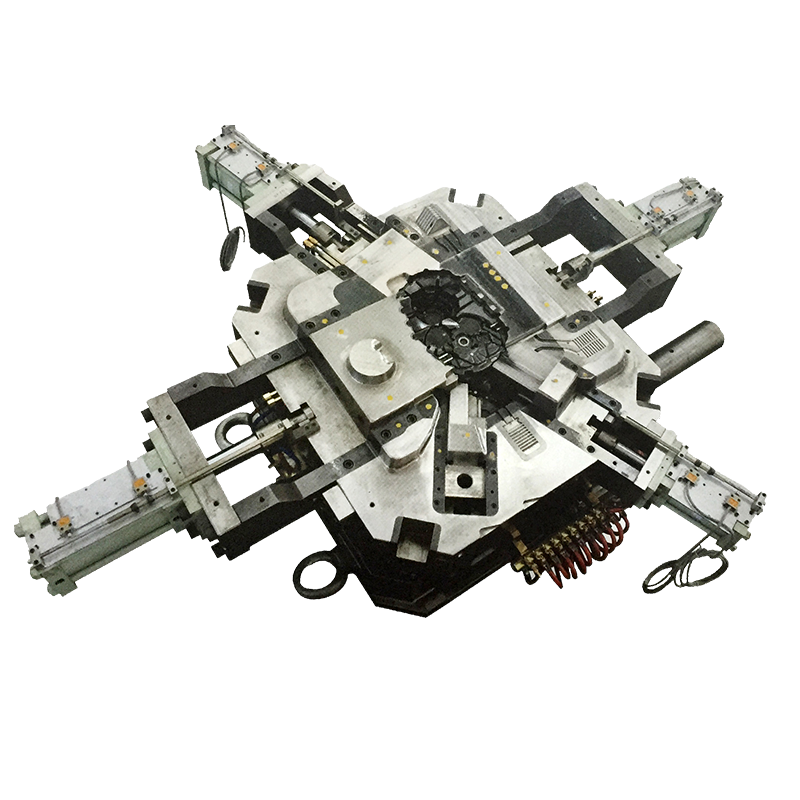 Zinc Die Casting Molds Customized High-precision Die Casting Mold
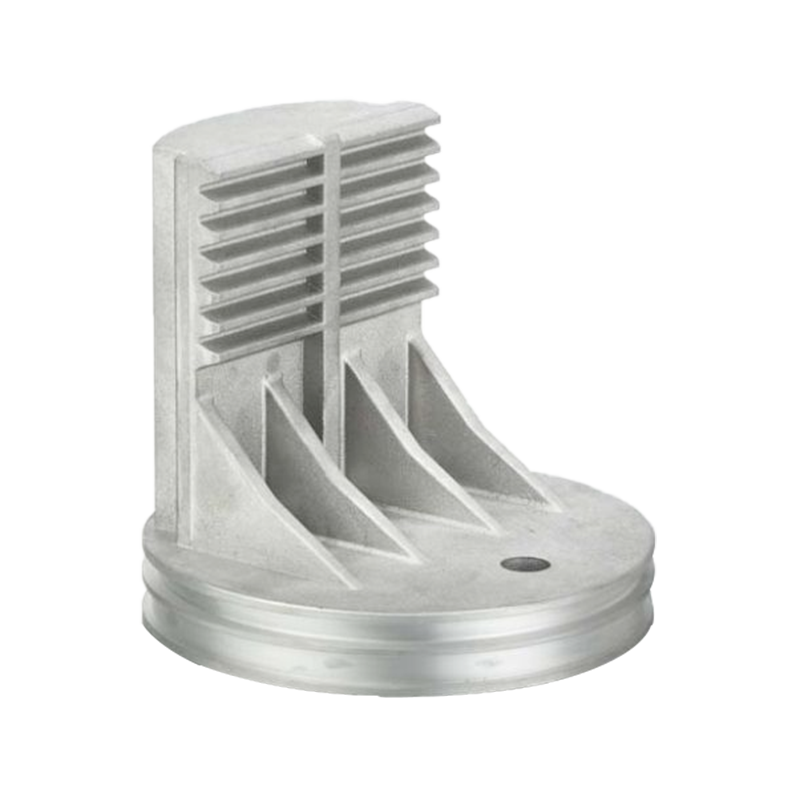
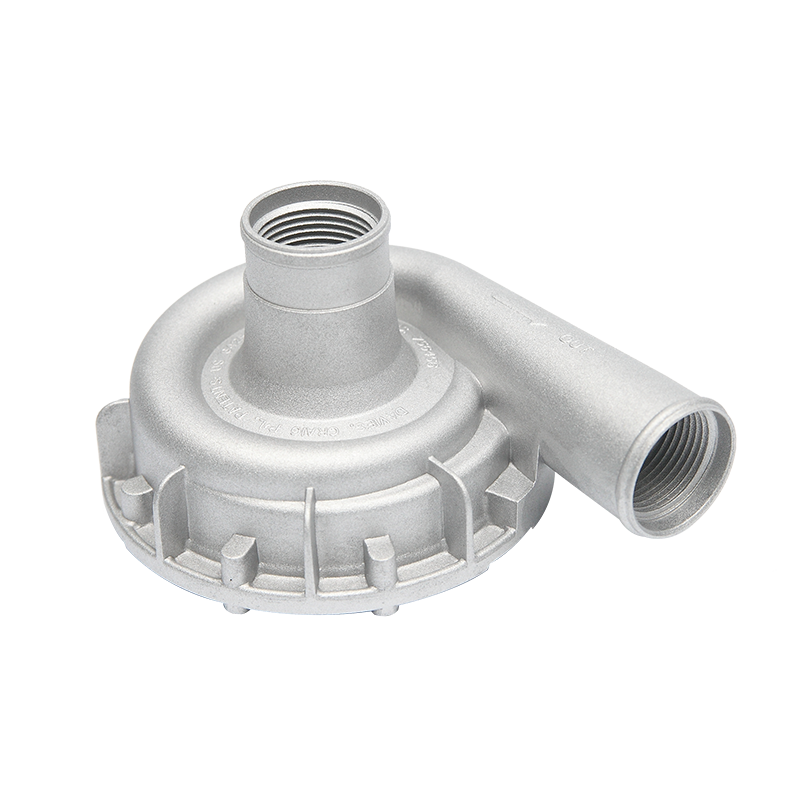 Lightweight Aluminum Die Casting Water Pump, Machined, Easy Installation Aluminum Die Casting Parts
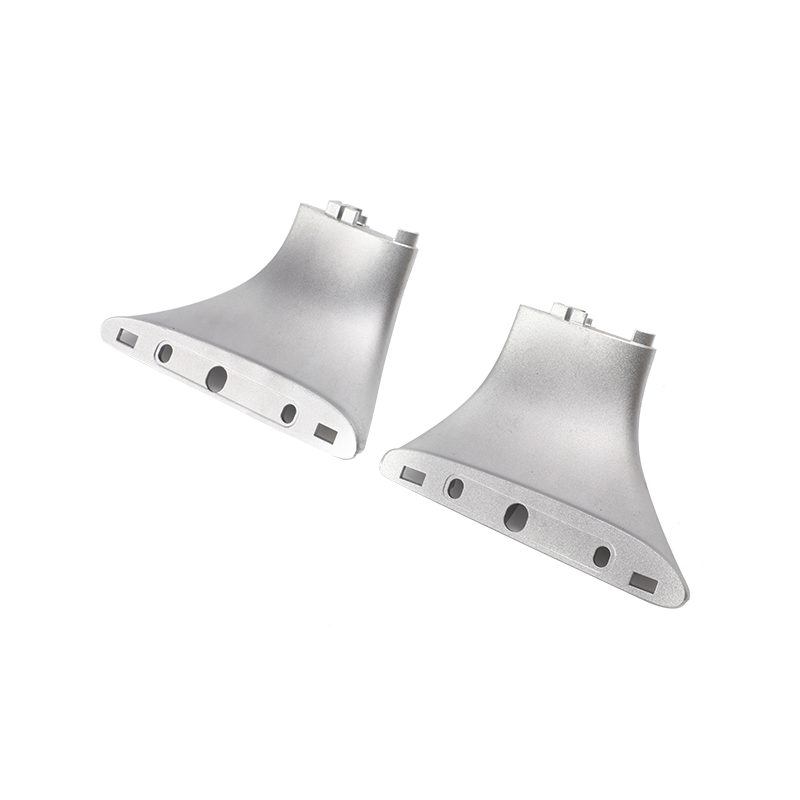 Zinc Die Casting Car Luggage Rack Support Bracket Zinc Die Casting Parts
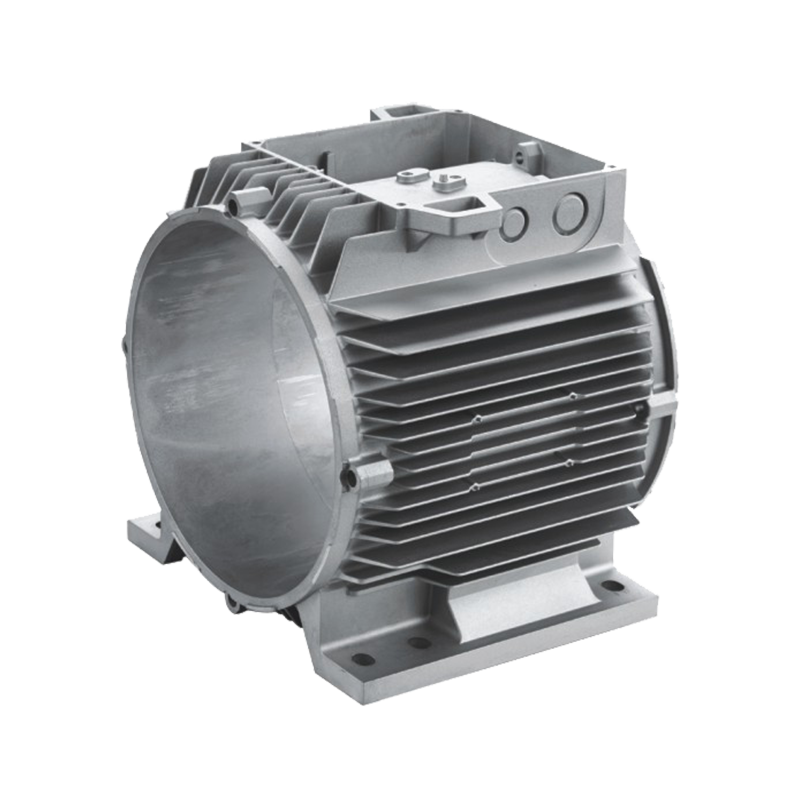
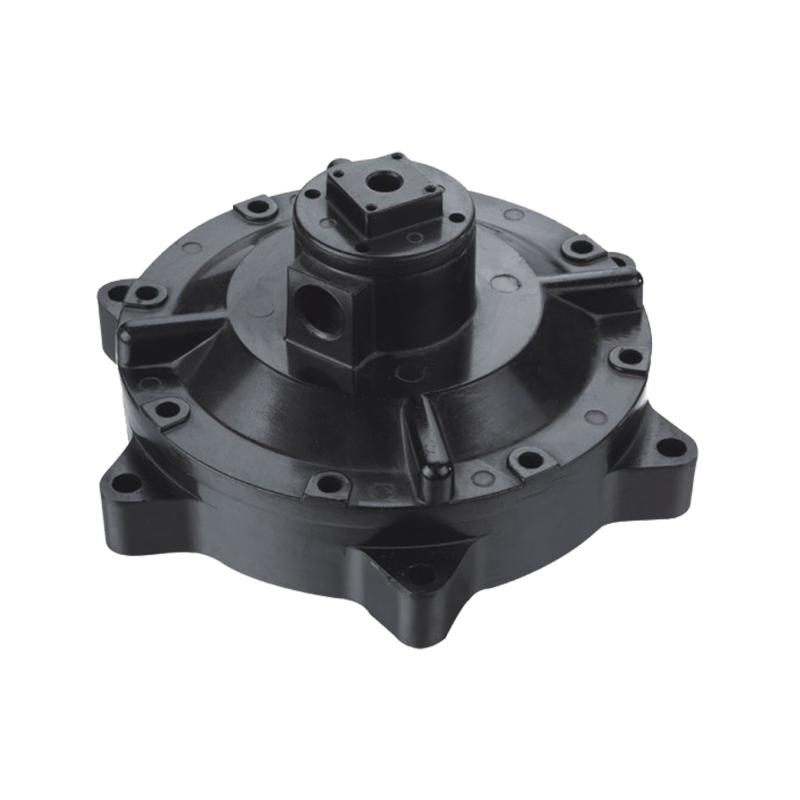
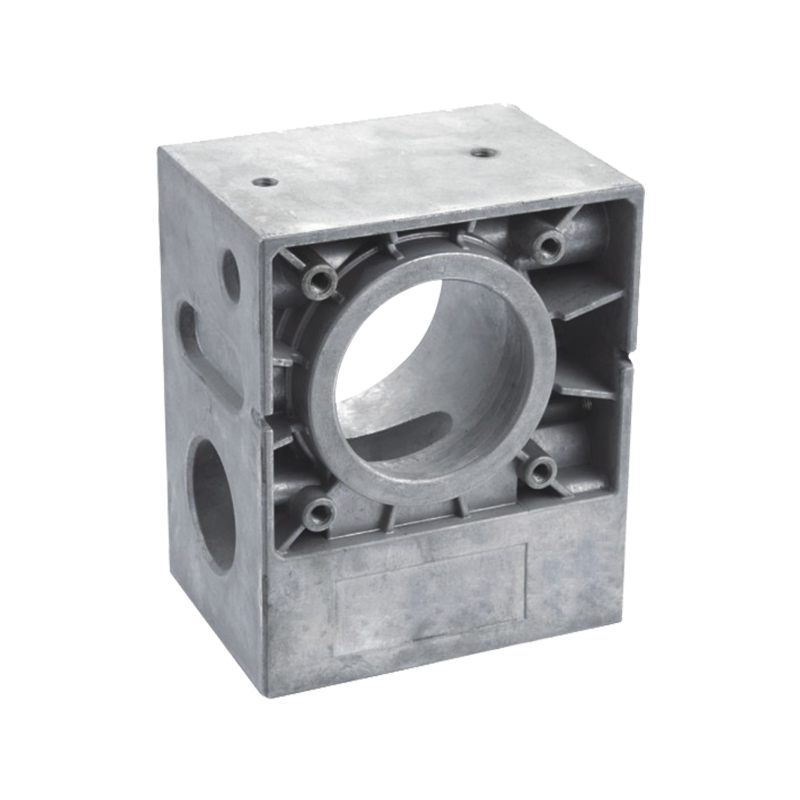 Industrial Door Operator or Forklift Gearbox Housing in Aluminum Die Casting Gearbox Housings
Decide by annual volume first, then geometry, then material, because volume alone eliminates half of the options. Use the four cards as a quick filter.
The most cost-effective route for precision metal parts is usually die casting for the shape and CNC for only the critical features. This keeps machining time short while meeting tight fits on bores, threads and sealing faces.
CAD, CAM and CAE flow analysis predict porosity and cold shuts before steel is cut.
Molten alloy fills the mold under pressure and the part is ejected.
Gates, runners and flash are removed from the raw casting.
Holes, threads and sealing faces are machined to final tolerance.
Anodizing, powder coating or plating is applied. Read our anodizing RFQ guide.
Dimensional checks and leak or pressure tests confirm each batch.
The costliest mistake is choosing a process from the prototype price instead of the lifetime volume. Avoid these five patterns.
A complete RFQ lets a supplier recommend the right process and quote it in one round. Send the following items together.
Yes at volume. Die casting usually becomes cheaper once the batch reaches a few thousand pieces, while CNC is cheaper for a few hundred pieces or fewer.
Not on its own. As-cast tolerances are looser than machined tolerances, so critical features are usually finished by CNC after casting.
Die casting generally gives a finer, denser skin on thin walls, but high-pressure filling can trap gas porosity. Good mold flow design and venting reduce this risk for structural parts.
Sometimes, for non-structural parts with low heat load. It cannot replace die casting where heat dissipation, EMI shielding or stiffness at temperature is required.
Send your drawing and annual volume, and our engineers will tell you whether die casting, CNC or a hybrid route gives the lowest total cost. Learn more about our OEM and ODM service or check the FAQ.
Request a QuoteARE YOU READY TO COOPERATE WITH jieda?
* Your email is safe with us, we don’t spam.

PRODUCTS
CONTACT INFO
nbjd011@126.com
+86-574-86115705
No. 58 Mould Road, Daqi Technology Industrial Zone, Beilun District, Ningbo

 English
 Español
 italiano