Content
A European compact car built in 2022 carried roughly 205 kg of aluminum. Its 2026 model-year replacement is being engineered around 237 kg, and the forecast points to 256 kg per vehicle by 2030. That is a 15.6% increase in four years, and it does not arrive evenly: some castings grow, some are replaced, and parts that were steel in 2022 are now quoted as aluminum die castings.
The conclusion worth holding on to is this: for a 2026 program, your component specification is measured against a moving benchmark, not a fixed one. A casting that hit the target two years ago can sit well below what the same customer now expects. What follows is what the 2026 figures say, where the growth physically sits on the vehicle, and how that changes tooling and sourcing decisions.
Content is quoted in kilograms in Europe and pounds in North America, which is where most comparison errors start. The 2026 figures below are shown in both units.
| Market | Aluminum content per vehicle, 2026 | Change vs. 2022 | What it reflects |
|---|---|---|---|
| Europe, light vehicles | About 237 kg (522 lb) | +15.6% from 205 kg | Forecast to reach 256 kg per vehicle by 2030 |
| North America, light vehicles | About 466 lb (211 kg) | Up from 397 lb | Aluminum share of curb weight rises from about 10% to about 13% |
| North American fleet total | Nearly 9 billion lb | Rising | Aggregate volume across all light vehicles built |
| Battery electric vehicles | Above the regional average | Rising | Content increases with vehicle size and performance expectations |
| Large pickups and large BEVs | Highest per unit | Rising | 35% aluminum content studied as a cost-optimal point |
Two readings matter. First, Europe and North America are converging on the same 210 to 240 kg band despite using different units, so a single global component strategy is now realistic. Second, the averages hide a wide spread. A small front-wheel-drive hatchback and a large electric pickup are both counted in the same line of that table, and they differ by a factor of two or more.
It is also worth remembering that these averages move with metal prices and supply. When the aluminum market swings, the business case for adding castings shifts with it, and a program approved in one price environment can be re-engineered in another.
Average content rises for three separate reasons: more aluminum parts per vehicle, larger individual parts, and castings that replace multi-piece steel or cast-iron assemblies. On battery electric platforms, all three happen at once.
The battery enclosure is the single largest aluminum addition on an electric vehicle. Its contribution scales with usable pack energy and vehicle size, and it is one of the few components where sealing, flatness and crash performance all land on the same casting. Heat dissipation and structural integrity are designed together, and the tooling decisions made at the quotation stage largely determine whether the part can pass a pressure test in series production.
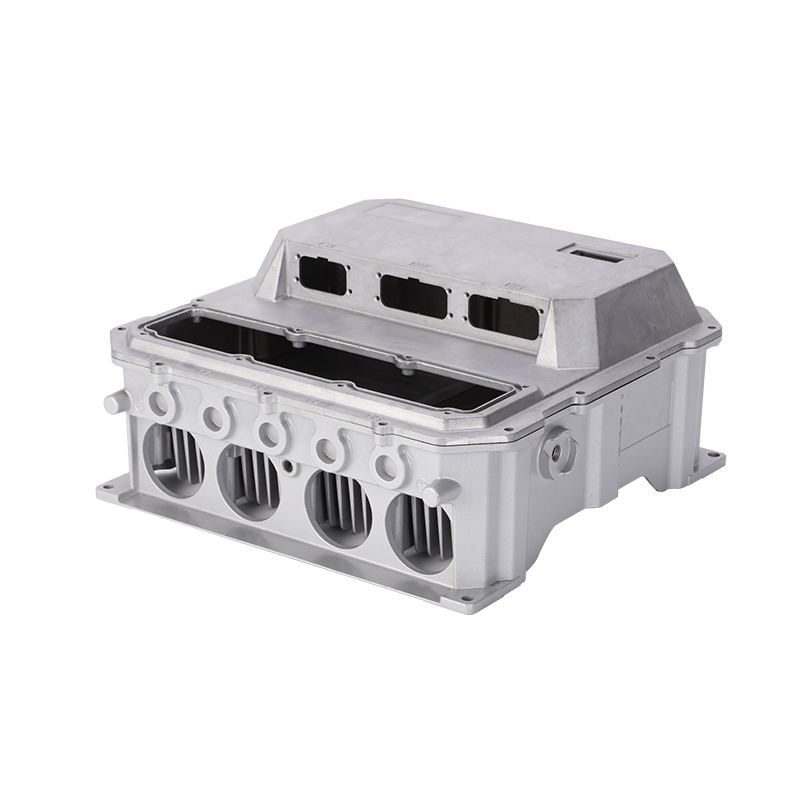 Aluminum Die-Cast Battery Housing and Cover for Electric VehiclesAluminum die-cast enclosure for EV battery packs, relevant when sealing, flatness, crash performance and pressure-test readiness affect vehicle-level safety specifications.View Product →
For a practical view of how enclosure design affects vehicle-level safety, the discussion in this article on battery housing and cover safety is a useful reference when writing an internal specification.
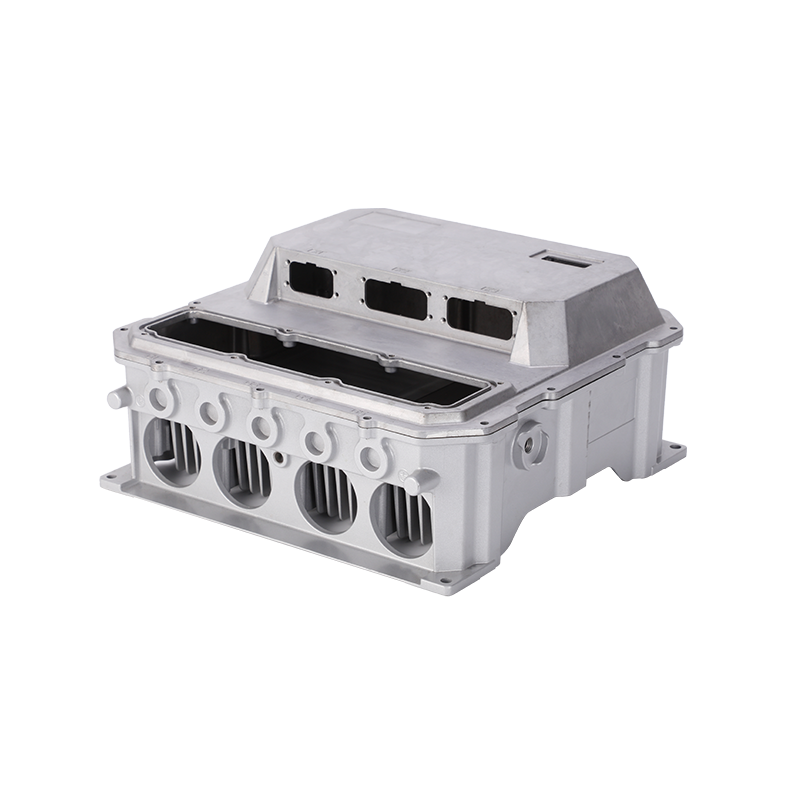
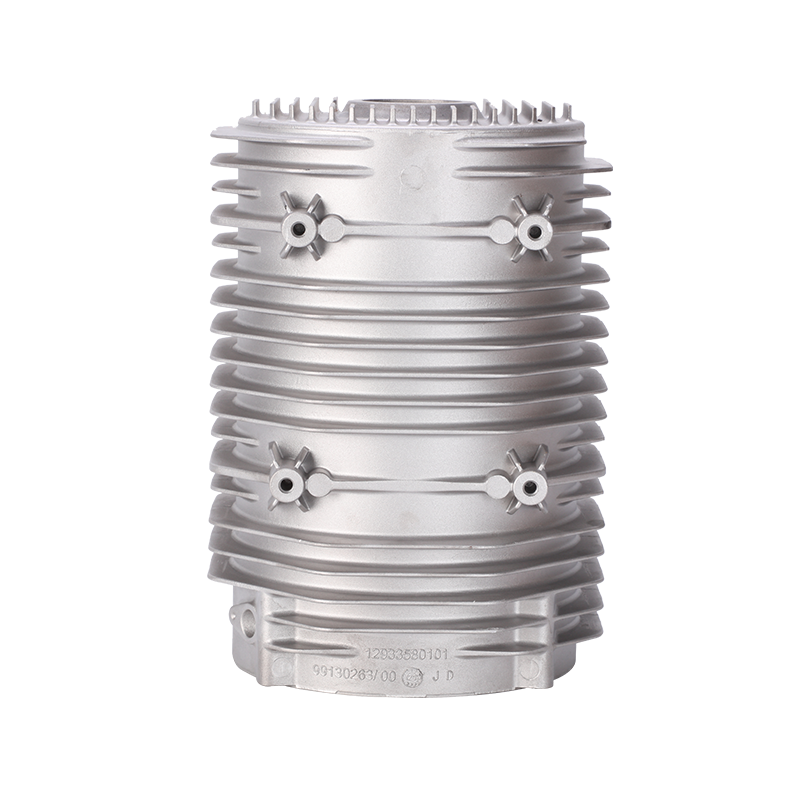
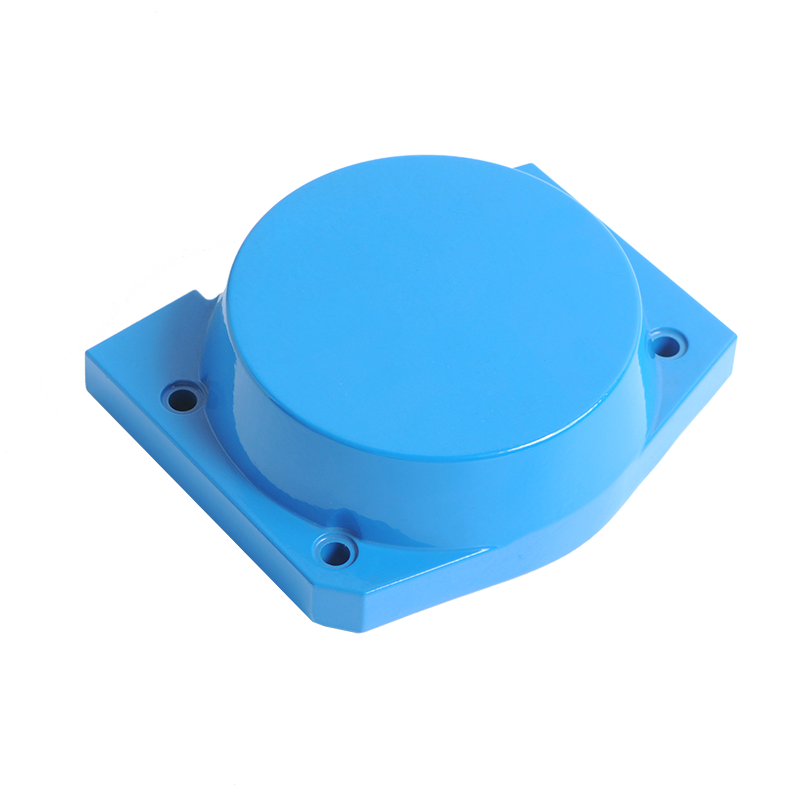
Every electric drive unit needs an aluminum housing and a stator frame, and many need an end shield and a terminal box cover as well. These are high-pressure die castings with tight bore tolerances, and they are produced in volumes that make tool life a real cost line rather than a footnote.
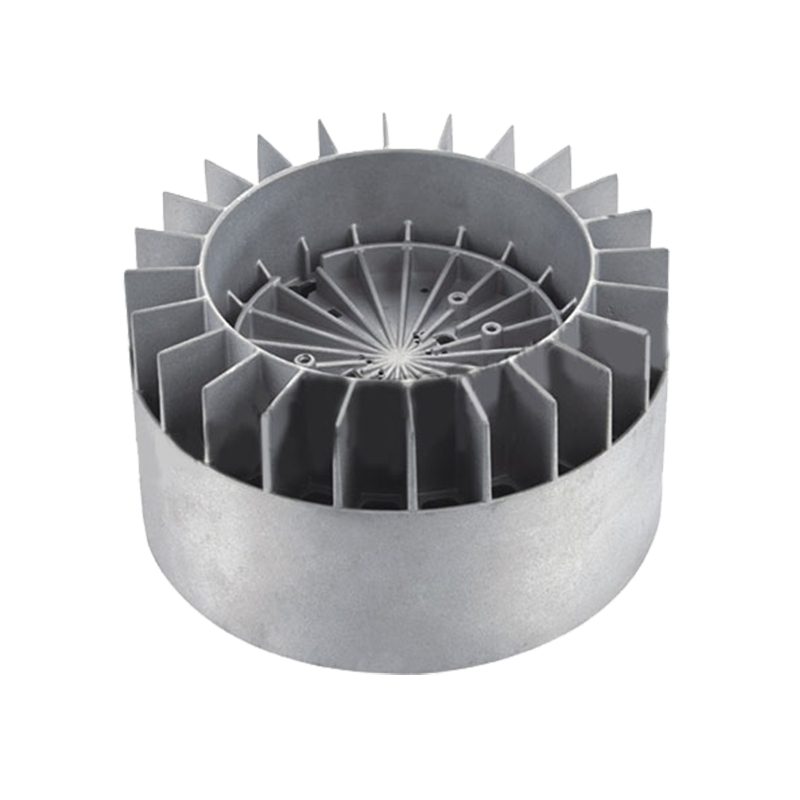
Control box housings, heat sinks, gearbox housings and oil pans with integrated sealing make up the rest of the increase. They are less glamorous than the battery pack, but they are where most of the per-unit kilograms actually accumulate.
Published averages are normally quoted on a curb-weight basis and cover all aluminum on the vehicle, including castings, extrusions, sheet and forgings. That figure is useful for reading the market and close to useless for reading a quotation. Four traps catch buyers.
Buyers who pin down these four items before quoting tend to avoid the most common dispute in die casting procurement: two suppliers quoting the same part number at weights that differ by 15%.
Most content growth is delivered by high-pressure die casting, and the practical limits are set by the mold, not by the drawing. Structural castings for 2026 programs commonly run wall thicknesses in the 2.5 to 3.5 mm range, with vacuum assistance, controlled filling and generous overflow design to keep porosity out of load-bearing sections. A tool designed around older assumptions will produce parts that pass a visual check and fail a leak test.
Two commercial factors decide whether a program stays on schedule. The first is mold lead time: a large structural tool is a long-lead item, and any change to gate position or cooling after the first sample usually costs more than the change itself. The second is documentation. An IATF 16949 certified supply chain expects dimensional reports, material certificates and process capability data as part of the delivery, not as a favor afterward.
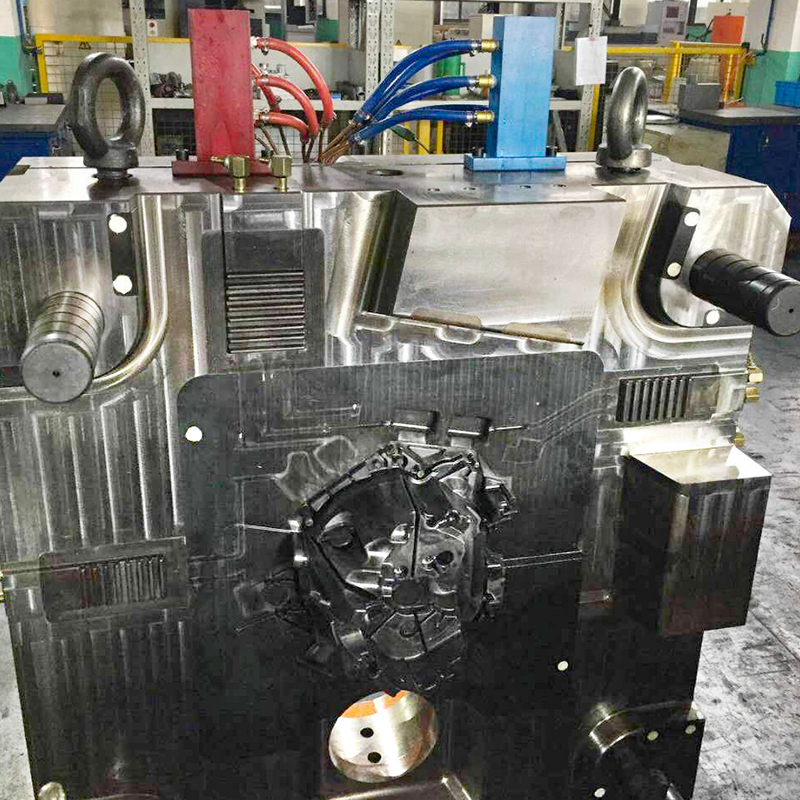 Customized High-Pressure Aluminum Die-Casting MoldsCustom high-pressure aluminum die-casting molds for components, relevant when mold lead time, alloy choice, and integrated tool design through surface treatment affect iteration speed.View Product →
That is why an integrated mold design and casting supplier tends to be faster on iteration. When tool design, casting, machining and surface treatment sit in the same plant, a gate adjustment and a re-machined sample face do not have to travel between vendors before anyone can measure the result.
The parts below carry most of the average increase on a modern vehicle. The notes describe what drives cost and risk, not what to specify.
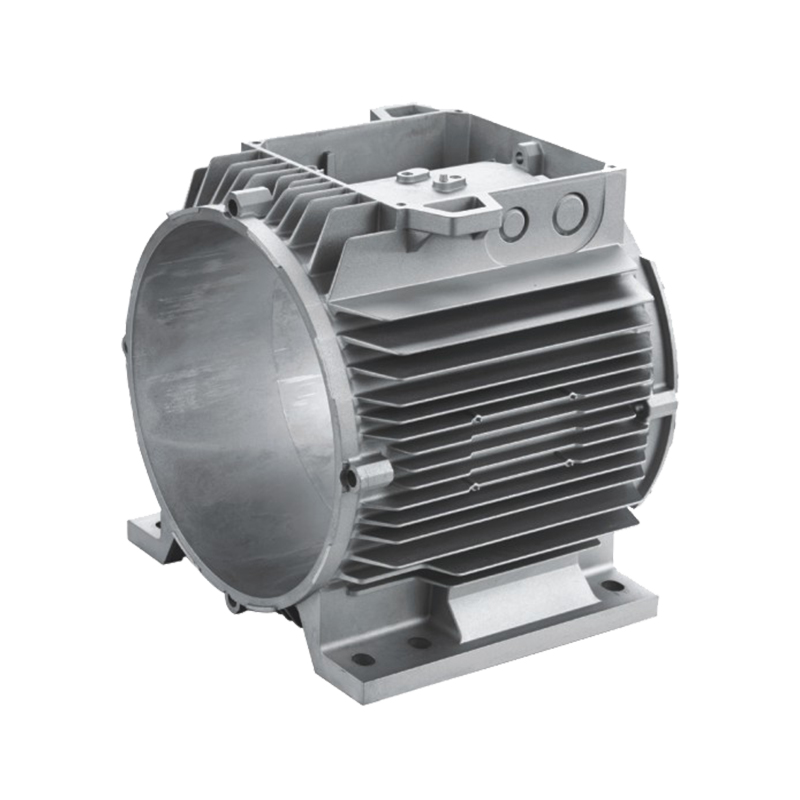 Electric Motor Housing Stator Frame Aluminum Die CastingAluminum die-cast stator frame for electric motors, relevant for motor housing weight, heat dissipation, and dimensional accuracy in vehicle or equipment applications.View Product →
Whichever part is on your list, the same rule applies: the kilogram figure that appears in the market data is the result of these design choices, not an input you can order directly.
Industry averages are compiled on a curb-weight basis, so aluminum structures that are part of the vehicle assembly, including the battery enclosure, are counted. Cells and modules themselves are not aluminum parts and are not counted as content.
It follows the regional reporting habit rather than any technical difference. For comparison, 237 kg is about 522 lb, and 466 lb is about 211 kg, which is why the two markets look further apart than they are.
It is shifting rather than stopping. The 2030 European forecast of 256 kg per vehicle implies continued growth at a slower annual rate than the 2022 to 2026 period, with most of the remaining increase concentrated in electric and larger vehicles.
Ask for the weight basis, the alloy, the allowance on machined faces and the annual volume. Those four answers determine whether two quotations are actually comparable, and they are cheapest to settle before the tool is cut.
Aluminum content per vehicle in 2026 lands in a narrow band, roughly 210 to 240 kg, across the major light-vehicle markets, and both Europe and North America are moving in the same direction. The number that decides whether a program is competitive is not the fleet average, however. It is whether the specific casting in front of you was designed, tooled and machined against 2026 expectations rather than 2022 ones.
That work starts with the mold, runs through the casting and machining steps, and ends in documentation the customer can audit. Suppliers who control the whole chain in one place simply have fewer places for a specification to drift.
ARE YOU READY TO COOPERATE WITH jieda?
* Your email is safe with us, we don’t spam.

PRODUCTS
CONTACT INFO
nbjd011@126.com
+86-574-86115705
No. 58 Mould Road, Daqi Technology Industrial Zone, Beilun District, Ningbo

 English
 Español
 italiano