Content
The lightweight automotive components trend is best understood through one number: a 10% reduction in vehicle weight improves fuel economy by 6-8% in combustion-engine vehicles and delivers a similar proportional gain in electric range. That direct relationship between mass and energy demand is now embedded in vehicle platforms across the industry. Suppliers are asked to deliver thinner wall sections, lower mass, and fewer parts without sacrificing durability. Market forecasts confirm the momentum: the global lightweight automotive materials market is expected to reach US$125.6 billion by 2033, expanding at a 4.5% CAGR from 2026.
Lightweighting is no longer reserved for premium sports cars. Three forces have made it a baseline requirement across passenger cars and commercial vehicles.
First, fleet emission targets in the European Union, the United States, and China continue to tighten. Removing mass reduces the energy needed to accelerate, climb, and hold speed, so weight reduction directly supports CO2 compliance. Second, electric vehicles face a direct trade-off between range and battery cost. A 10% mass reduction can add roughly 6-8% to driving range, which for a typical 60 kWh pack equals several kilowatt-hours of saved battery capacity. Third, aluminum has become cost-competitive in high-pressure die casting once component consolidation and reduced machining are included in the calculation.
The projected market trajectory below shows the scale of the shift.
Projection: 4.5% CAGR from 2026 to 2033.
Metals still account for the largest share of lightweight materials, with aluminum alone representing about 42% of consumption. The implication for suppliers is practical: those that can produce thin-walled aluminum castings with tight tolerances will capture an outsized share of new vehicle programs.
No single material wins every application. Each lightweight candidate offers a specific combination of density, strength, cost, and manufacturing behavior. The table below summarizes the main options.
| Material | Weight saving vs steel | Relative cost | Common applications | Typical process |
|---|---|---|---|---|
| AHSS / high-strength steel | 10-25% | Low | Body structures, chassis rails | Stamping, forming |
| Aluminum (cast) | 30-50% | Moderate | Battery housings, motor housings, gearboxes, pumps | High-pressure die casting |
| Magnesium (cast) | 45-60% | High | Instrument panels, steering frames, housings | Die casting, thixomolding |
| Engineering plastics | 20-40% | Low to moderate | Manifolds, covers, interior brackets | Injection molding |
| Carbon-fiber composites | 50-60% | Very high | Body panels, structural inserts, sports cars | RTM, compression molding |
Indicative midpoints based on published lightweighting studies.
Aluminum castings stand out when a component needs complex geometry, good thermal behavior, and production volumes above a few thousand units per year. High-pressure die casting converts those requirements into repeatable parts with minimal secondary work.
High-pressure die casting (HPDC) is the dominant process behind many lightweight structural and functional components. Molten aluminum is injected into a reusable steel mold at high pressure, producing a finished geometry in a single shot. Wall sections can be held to 2-3 mm on large parts, compared with 4-5 mm for conventional iron castings, and ribs, bosses, inserts, and mounting points are cast in place.
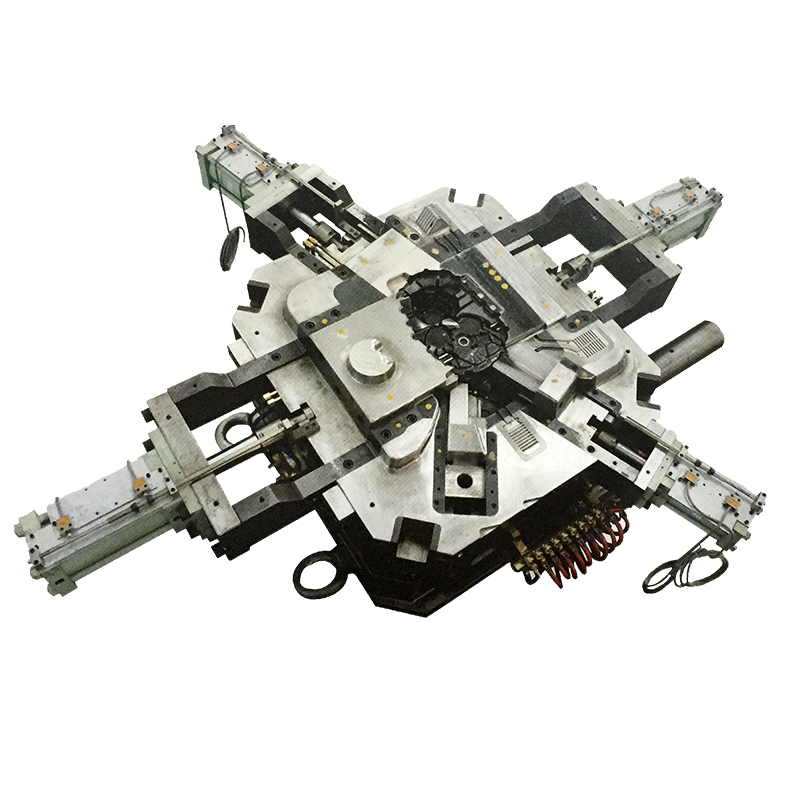
The mold determines dimensional fidelity and internal quality. Cooling channel layout, gate position, and vent placement influence porosity and distortion, and these factors translate directly into scrap rate and warranty performance. OEMs therefore value suppliers who design and build their own molds, because mold iterations and engineering changes happen faster in one facility.
Die casting also supports component consolidation. One casting can replace a weldment of several stamped steel parts, eliminating fasteners, reducing tolerance stack-up, and cutting assembly time. An electric motor housing, for example, combines the stator frame, bearing seats, and cooling jacket in one component that is machined only on critical surfaces.
HPDC aluminum owns several component families where weight, heat dissipation, and structural rigidity matter most.
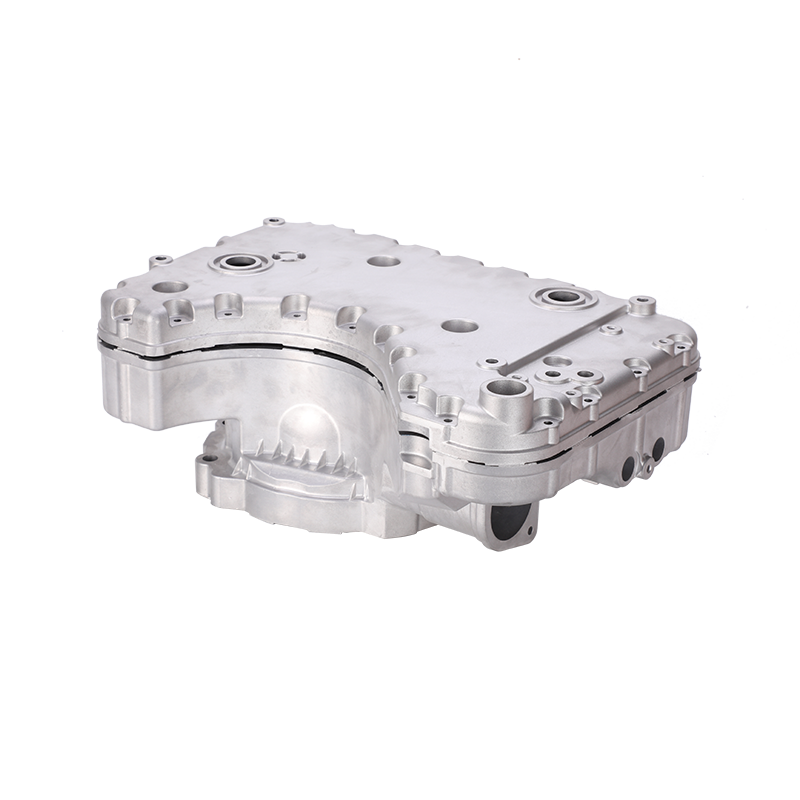
Battery enclosures must be stiff, sealed, and as light as possible. Aluminum die-cast housings and covers satisfy all three requirements. They also support thermal management by providing a heat path from module tops, and their rib patterns can be tuned for crash load paths without excessive mass. Because battery packs are among the heaviest assemblies in an EV, every kilogram saved in the enclosure directly extends range. The structural role of these enclosures in crash safety is covered in our article on how battery housings and covers contribute to the safety of new energy vehicles.
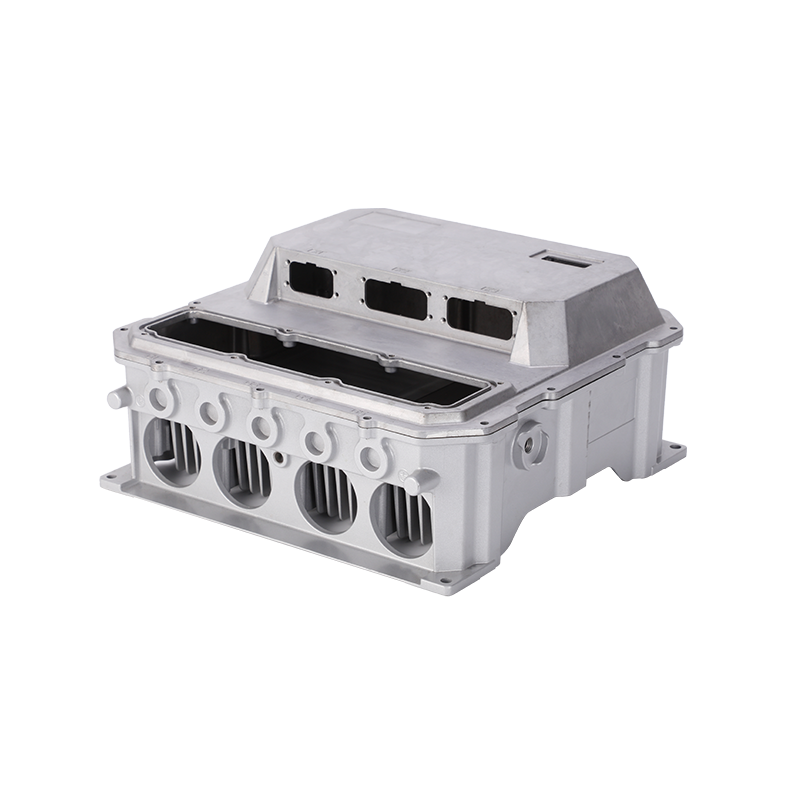
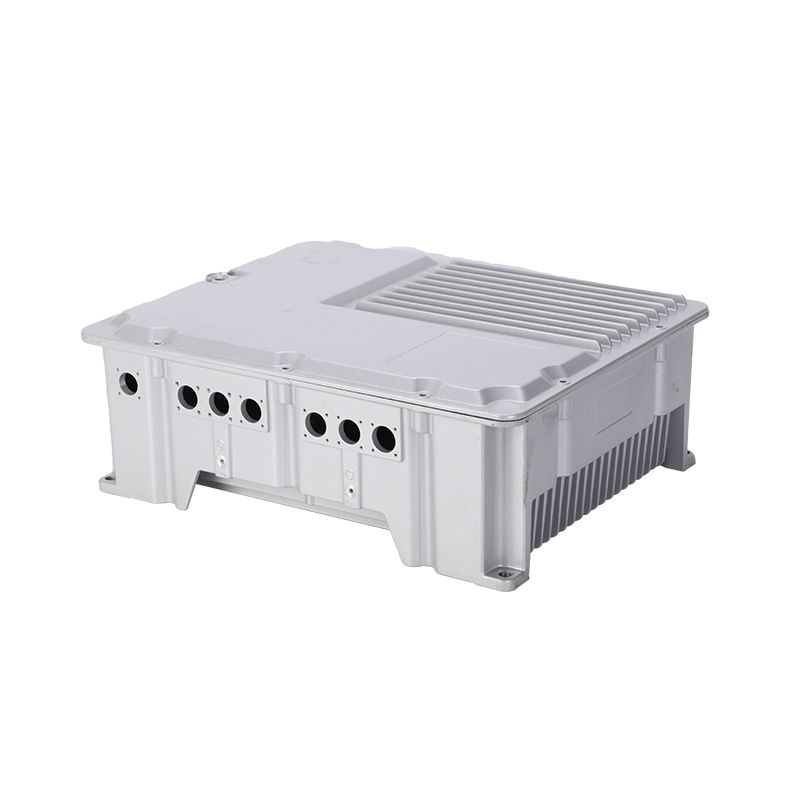
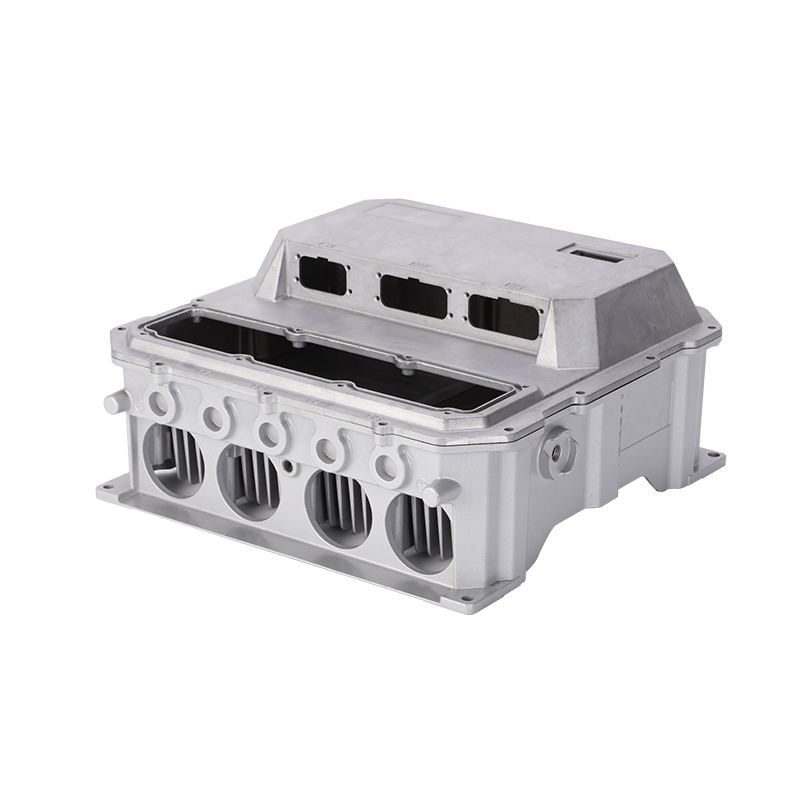 Aluminum Die-Cast Battery Housing and Cover for Electric VehiclesThis die-cast enclosure protects EV battery packs with high strength, corrosion resistance, and good sealing, while aiding heat dissipation and reducing weight to extend vehicle range.View Product →
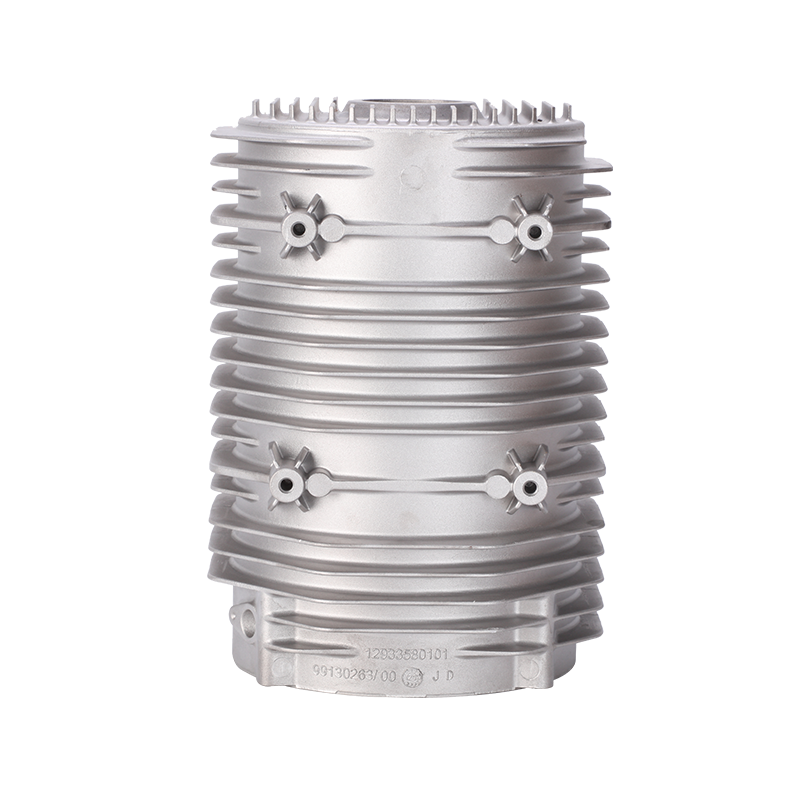
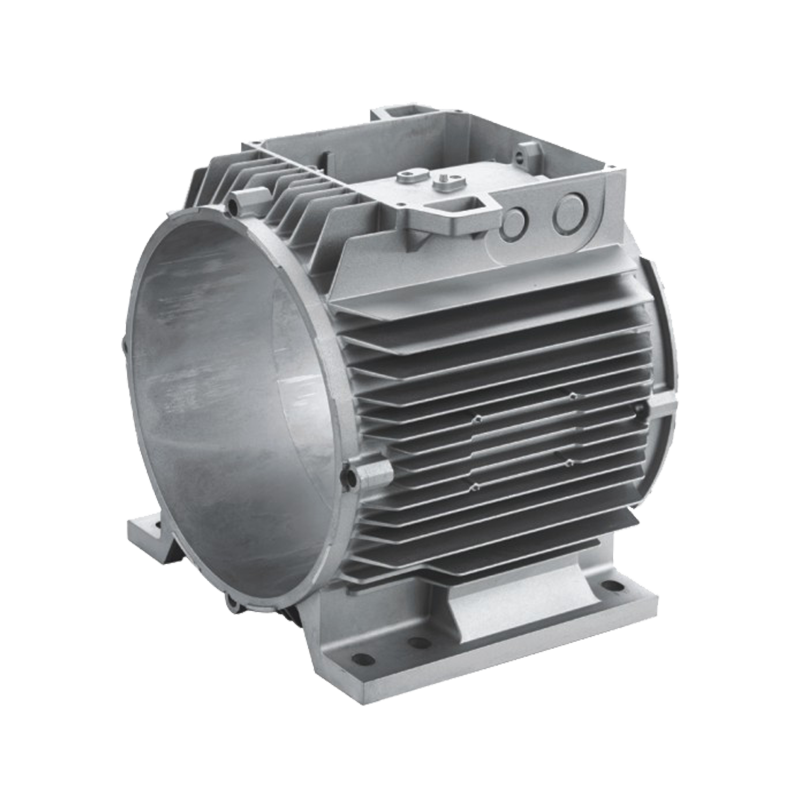
The motor housing carries the stator, rotor bearings, and often the cooling jacket. Aluminum's thermal conductivity allows the motor to run cooler at equal power, and its castability creates internal coolant channels without separate tubing. Replacing a fabricated steel motor frame with an aluminum die casting typically cuts mass by 35-45% and shortens the manufacturing chain from welding fixtures to a single casting station. End shields and terminal box covers belong to the same family, allowing motor makers to consolidate their supplier base.
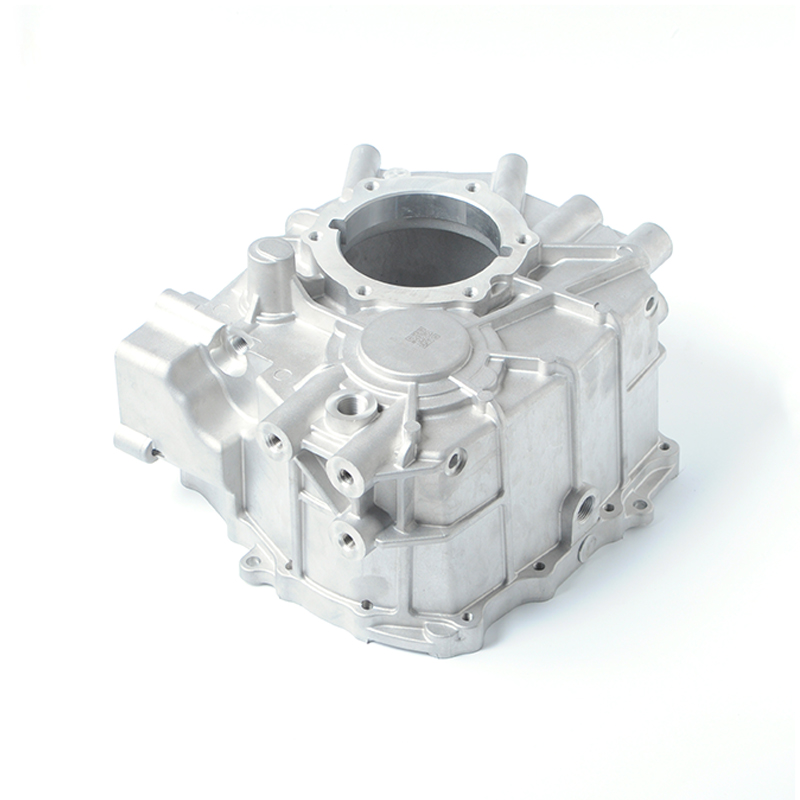 High-Pressure Aluminum Die-Cast Motor Housing for AutomobilesThis motor housing shields internal components from dust, provides mechanical support, and improves efficiency. Aluminum die casting reduces mass by 35-45% compared with steel frames.View Product →
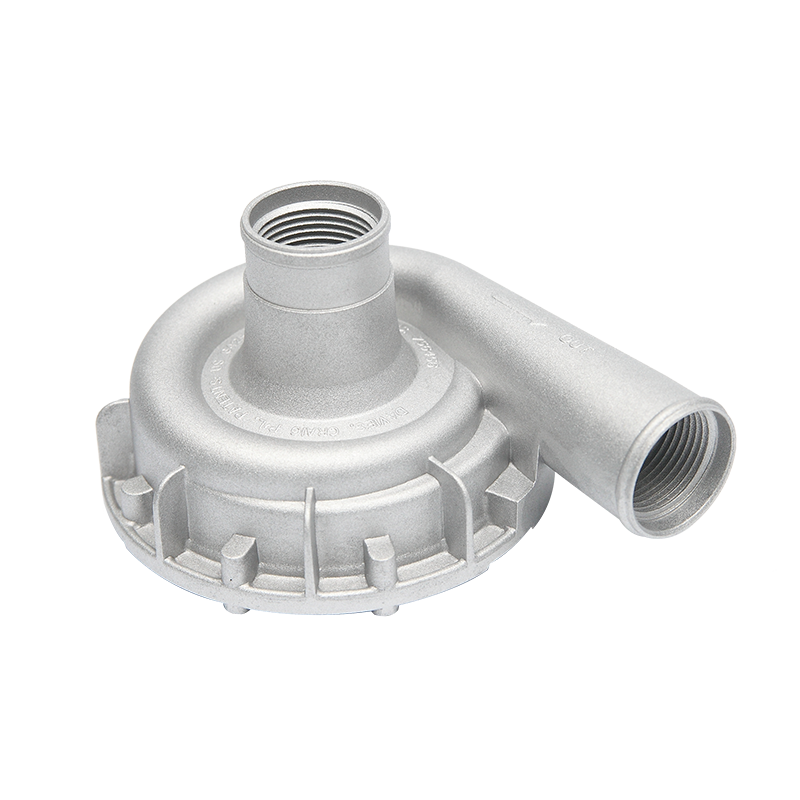
Water pumps operate close to the engine or drive unit, where vibration, coolant corrosion, and thermal cycling are constant. Aluminum die-cast pump bodies are substantially lighter than iron equivalents while keeping wall strength above 2 mm. When the pump sits on a moving bracket, the mass difference reduces the load on adjacent components and lowers total system weight. Machined mounting faces and O-ring grooves are produced in one process chain, so the part arrives ready to install.
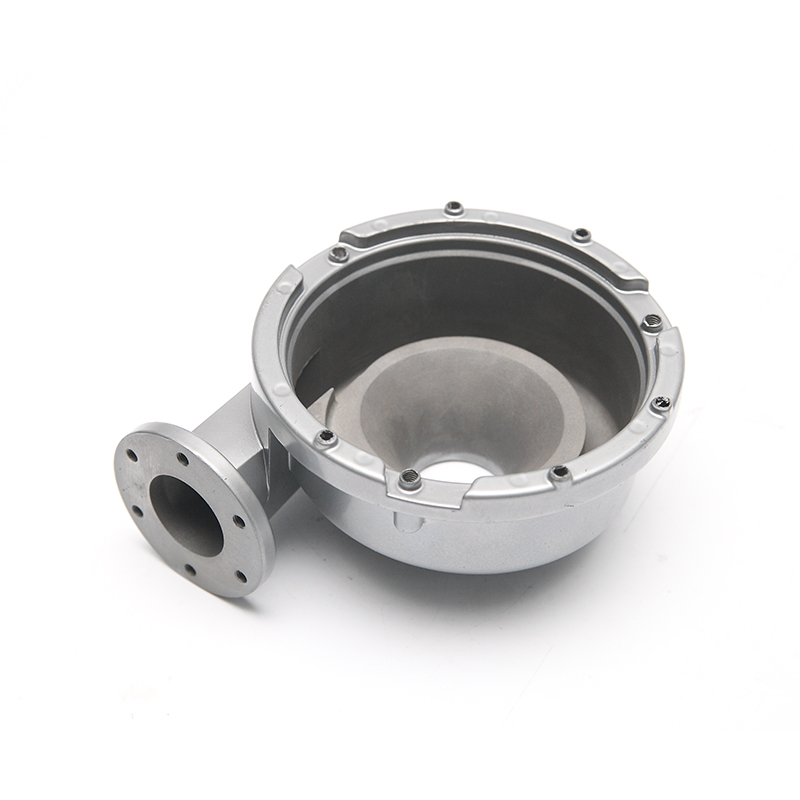 Machined Lightweight Aluminum Die-Cast Water PumpThis aluminum water pump offers easy installation, stable sealing, and reduced weight near the engine. Machined mounting faces and grooves are produced in one process chain for ready installation.View Product →
Buyers evaluating aluminum die-cast suppliers should compare more than price per kilogram. The following points separate reliable programs from costly ones.
Our own operation has followed this integrated model since 1987. With in-house mold design, die-casting machines from 200 to 1600 tons, CNC machining, and IATF 16949 certification, Ningbo Jieda Molding & Machine provides the capability profile described above. Because the complete chain runs under one roof, engineering changes are managed faster and inspection results are shared earlier.
Depending on geometry and the material replaced, aluminum die casting reduces component weight by 30-50%. A motor housing that weighs 8 kg in cast iron typically weighs 4.5-5 kg as an aluminum die casting in the same envelope.
Per kilogram, yes. Per finished part, not necessarily. Component consolidation, elimination of welding and fasteners, and faster cycle times often offset the higher material cost. The bigger factor is tooling investment, which is best amortized at volumes above 20,000 parts per year.
Yes. High-pressure die casting produces dense, low-porosity parts when process parameters are controlled. Machined sealing faces, leak testing, and gasketed covers are standard. Thin-wall rib patterns help enclosures pass crush and intrusion tests while keeping pack weight lower than steel equivalents.
Powder coating gives a durable, uniform film and is common for underhood parts. Anodizing suits wear-resistant surfaces but requires controlled alloy chemistry. For internal coolant passages, sealing treatments prevent corrosion and leakage.
Lightweighting is not a temporary phase. It results from persistent regulatory and economic pressure, and it favors processes that turn material properties into component-level weight savings at production scale. Aluminum high-pressure die casting is one of those processes. Buyers who understand the trade-offs in alloy selection, wall thickness, tooling, and supplier quality will make better sourcing decisions in the coming cycle.
ARE YOU READY TO COOPERATE WITH jieda?
* Your email is safe with us, we don’t spam.

PRODUCTS
CONTACT INFO
nbjd011@126.com
+86-574-86115705
No. 58 Mould Road, Daqi Technology Industrial Zone, Beilun District, Ningbo

 English
 Español
 italiano