Content
An automotive engineer walks into a body shop and sees something that was almost impossible a decade ago: a single aluminum casting, coming out of a press with more than 3,000 tonnes of clamping force, replacing a cluster of stamped brackets and welded panels. This is the gigacasting trend in action. Also called megacasting, the practice is spreading through the automotive industry as OEMs search for fewer parts, lower assembly costs, and lighter structures. The conclusion for suppliers and procurement teams is unambiguous: large-format high-pressure die casting is no longer a niche experiment.
Gigacasting and megacasting both describe very large high-pressure die-cast aluminum parts. The terms are often used interchangeably. Most gigacastings are produced on machines with 3,000 to 6,000 tonnes of clamping force, while some manufacturers are already evaluating 12,000 or even 16,000-tonne machines. The components can be a complete front or rear vehicle underbody, a battery carrier, or another body-structure element that previously required many stampings to be welded together.
This is not simply a bigger version of conventional die casting. The scale changes the engineering challenge. Large dies, long fill distances, controlled cooling, and alloy chemistry become more critical. It also changes production economics because a single large machine can replace an entire stamping and welding cell.
| Factor | Conventional stamped/welded | Megacast high-pressure die casting |
|---|---|---|
| Typical part count | Many stamped brackets, panels, and reinforcements | One or a few large castings |
| Assembly steps | Long cycle: spot welding, riveting, sealing | Shorter cycle: casting, then precision machining |
| Required press capacity | Stamping presses with several large dies | Die-casting machines from about 3,000 to beyond 12,000 tonnes |
| Tooling complexity | Multiple stamping dies and fixtures | Complex molds with advanced thermal management |
| Volume fit | High volume and stable design | Medium-to-high volume; economics improve with consolidation |
Three main factors drive adoption.
For buyers, the economic benefit is strongest when the vehicle platform is produced in large volumes and the body design is stable.
North America, Europe, and Asia are the three active centers of gigacasting development. North American EV producers have made large press installations a signature of their manufacturing strategy. European premium brands are studying gigacasting for platform simplification, with extra attention to repairability and circular economy requirements. Asian manufacturers, especially in China, are adding capacity quickly and pushing press builders toward higher tonnage.
Industry observers estimate that the giga-casting market could grow by approximately 33% per year in the medium term. The chart below illustrates what that level of compound growth looks like on an index basis.
Even if growth comes in higher or lower, the direction is clear: large aluminum castings will become a normal part of body engineering, and suppliers who can support them will be in demand.
Large castings place extraordinary demands on tooling. Thin walls, long flow paths, and high solidification rates create porosity and distortion risks if the mold design is not right. The proven answer is rigorous simulation, temperature control, and careful gating design. Automakers are therefore looking for partners with deep expertise in high-pressure aluminum die casting and custom tooling.
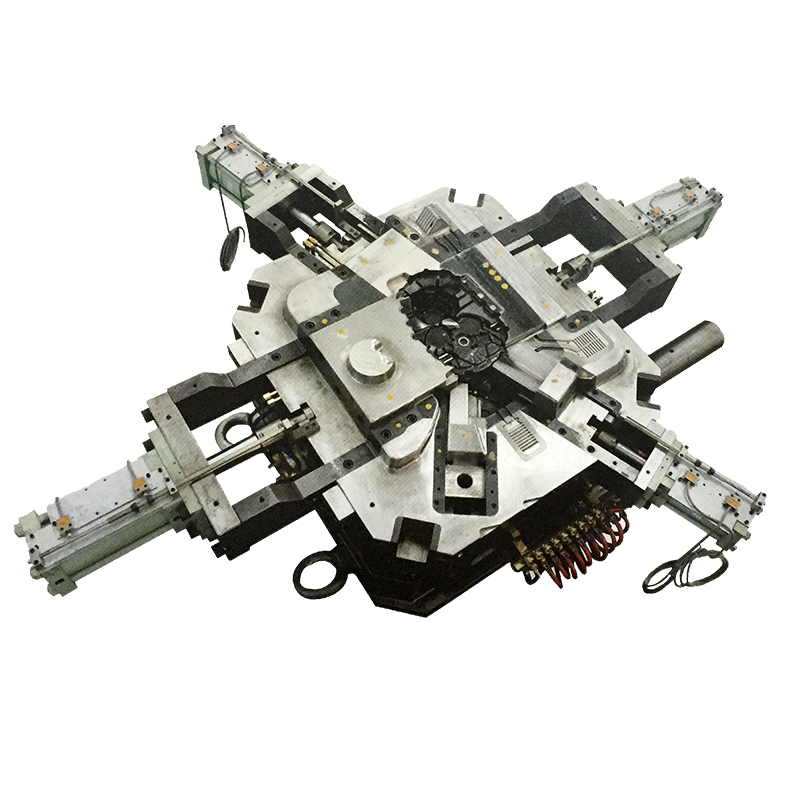
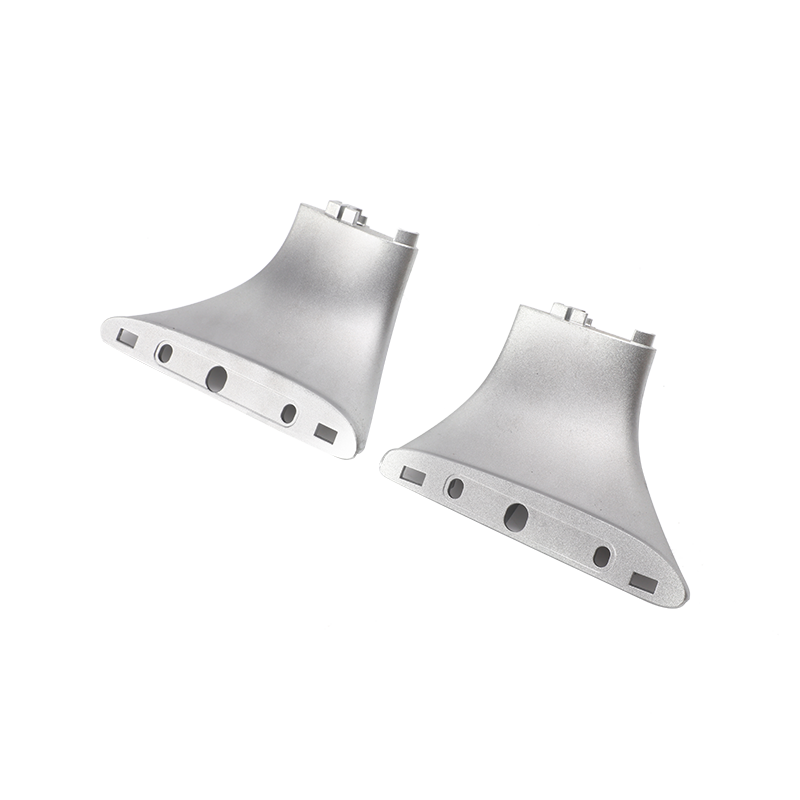
A component supplier that has already built customized high-pressure aluminum die-casting molds is in a stronger position to support gigacasting programs than a pure machining shop. In particular, die life, surface quality, and dimensional repeatability depend on mold design choices made at the beginning of the project.
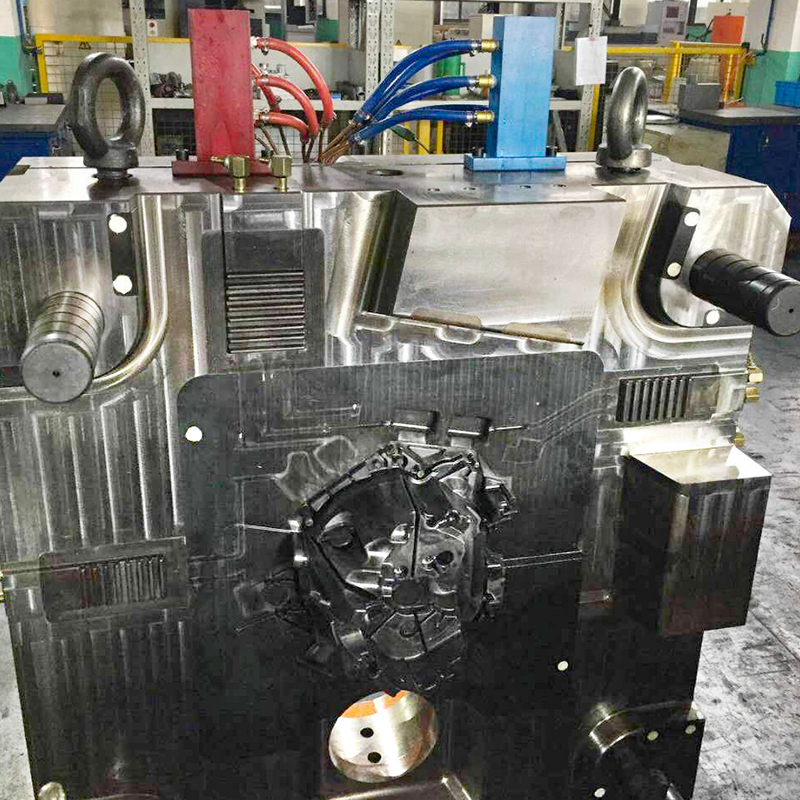 Aluminum Die Casting Molds Customized High-pressure- Ningbo Jieda Molding & MachView Product →
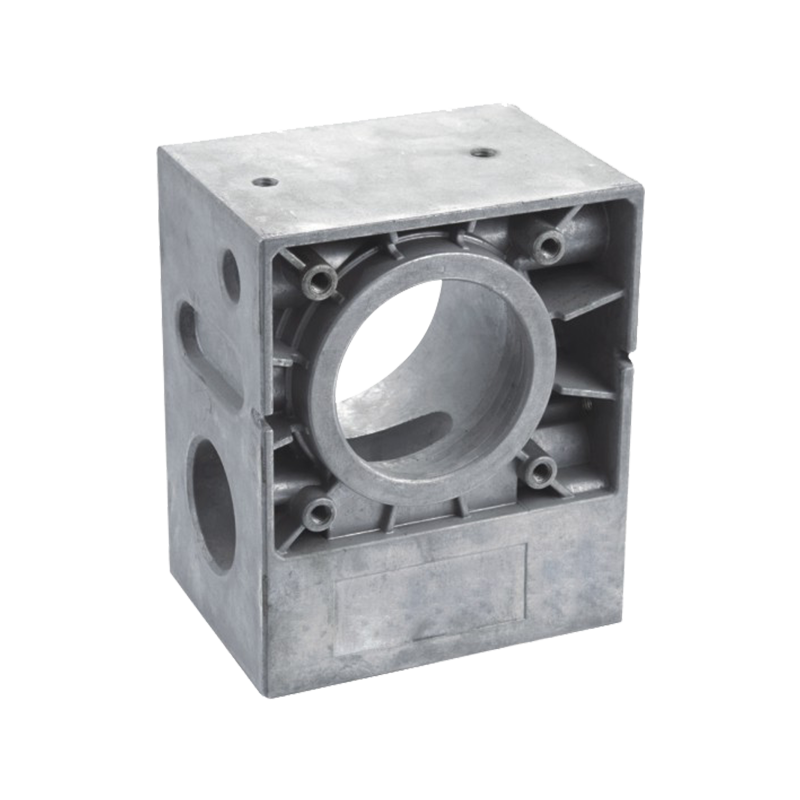
It would be a mistake to conclude that every factory needs a 6,000-tonne press. Even if gigacastings capture a growing share of body structure, a modern vehicle will still contain many high-pressure aluminum castings in the surrounding system. Motor housings, battery enclosures, control-box housings, gearbox housings, and brackets all need the same discipline: repeatable casting quality, precise machining, and reliable surface protection.
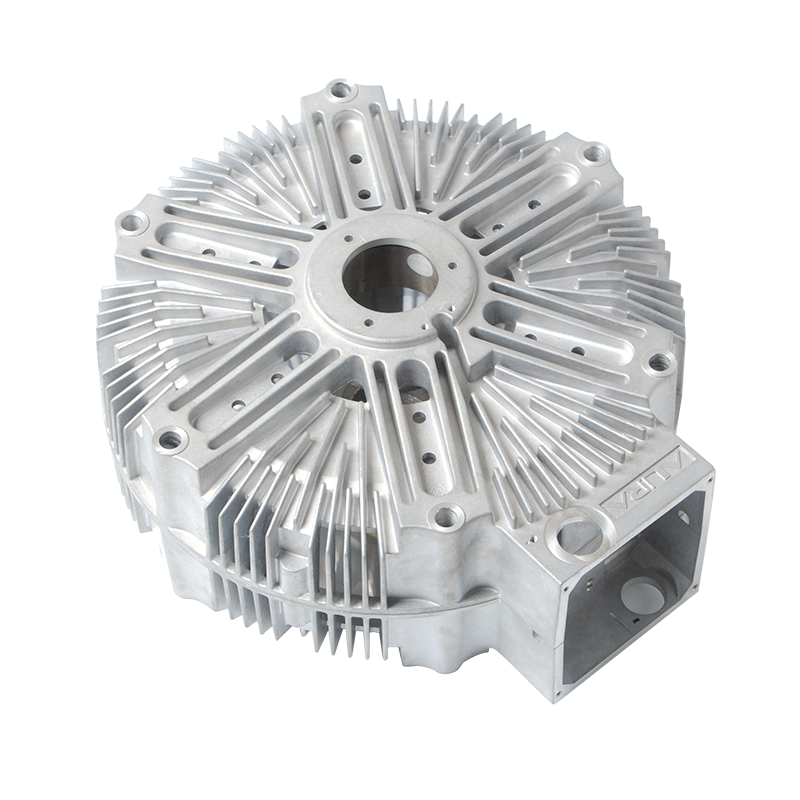
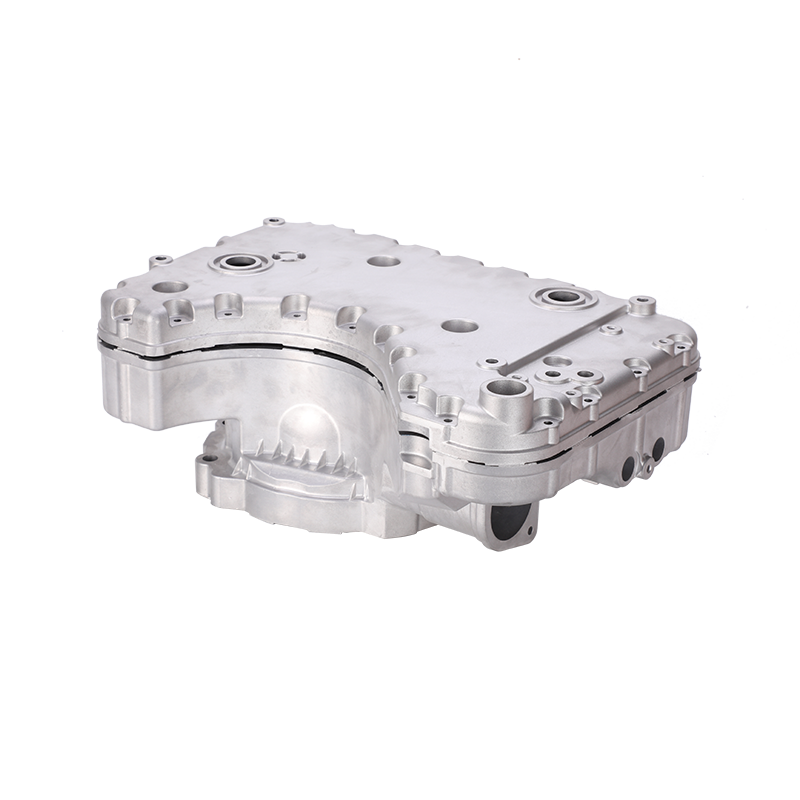
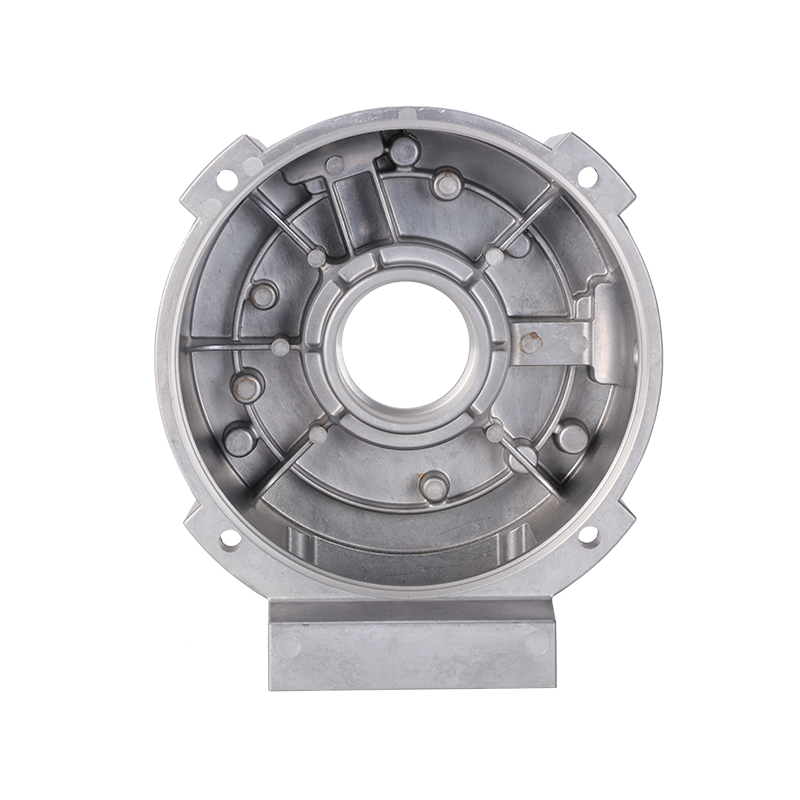
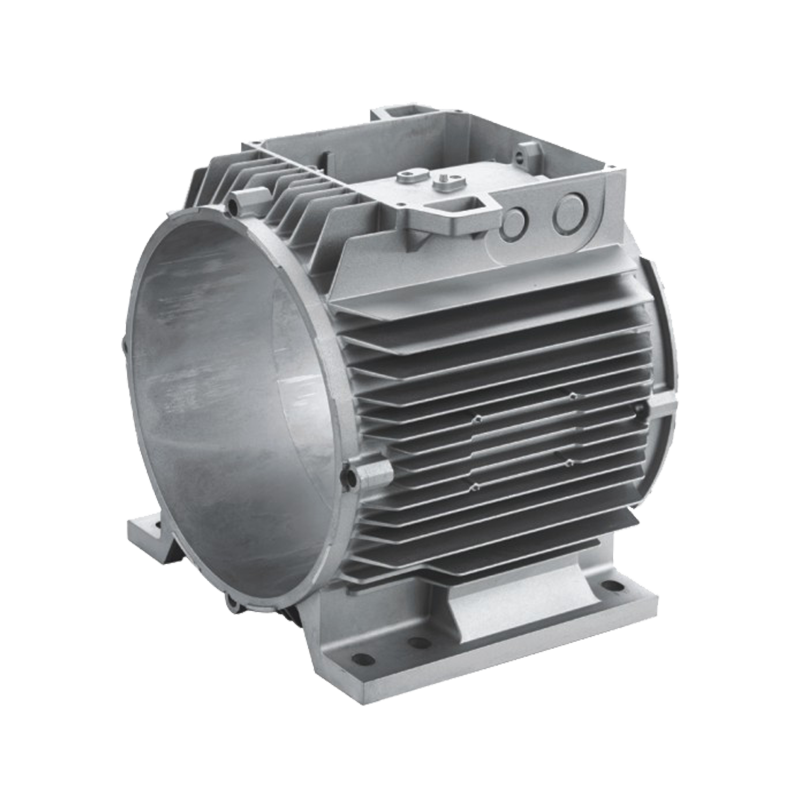
For example, an electric drive system usually integrates a high-pressure aluminum die-casting automobile motor housing with tight dimensional control. A battery pack relies on battery housings and covers for new-energy vehicles that resist vibration, thermal loads, and crash loads. These parts are not as large as a gigacast underbody, but they are equally important to vehicle quality.
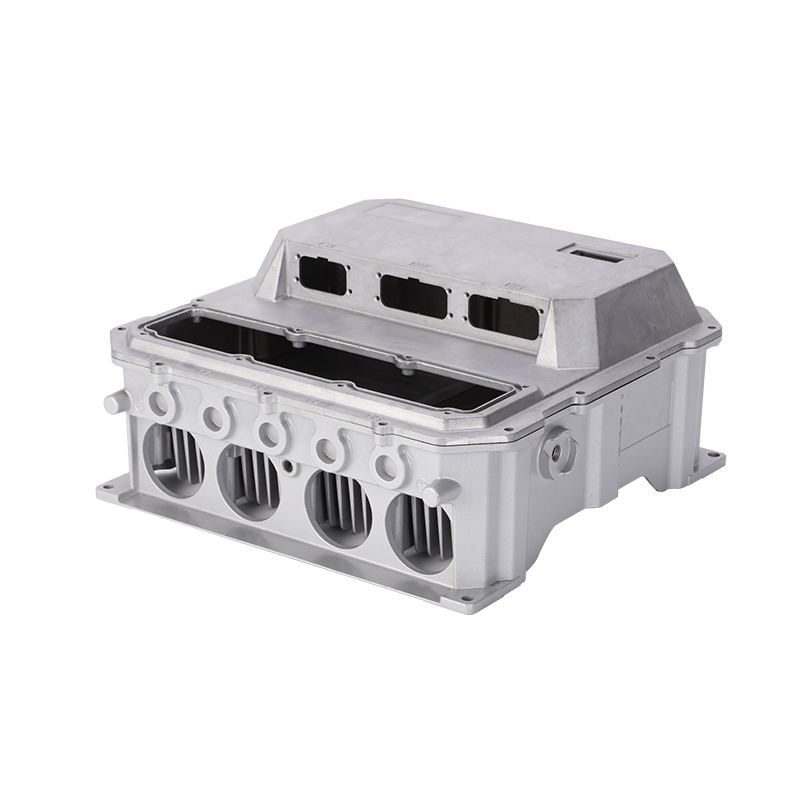 Battery Housing and Cover for New Energy/Electric Automobile- Ningbo Jieda MoldiView Product →
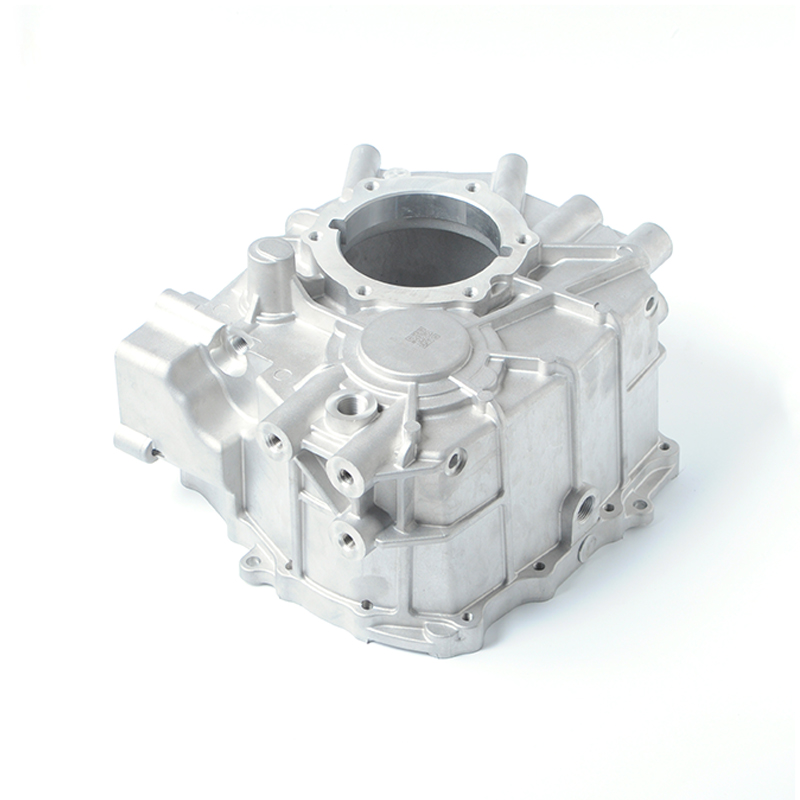 Automobile Motor Housing in High-pressure Aluminum Die Casting- Ningbo Jieda MolView Product →
For buyers, this creates an opportunity: qualified die-casting suppliers can act as one-stop partners for both prototype support and series production. A supplier such as Ningbo Jieda Molding & Machine, with IATF 16949 certification, proprietary mold-making capability, CNC machining, and powder-coating lines, fits naturally into a gigacasting-oriented supply chain.
Yes, in principle. Gigacasting is high-pressure die casting applied to extremely large aluminum structural parts. The process conditions are more demanding because of the larger die surface, longer flow distances, and higher injection forces, but the fundamental method is the same.
No. Closures, crash-management zones, and other areas will still use stamped aluminum or steel. However, the share of separate stamped pieces in a body structure can shrink noticeably; one estimate suggests up to 20% of traditional stamped metal pieces could be replaced by megacasts by 2030.
Die life, porosity, repair complexity, and environmental issues are the most cited concerns. Large dies are expensive to produce and modify, and a cracked or corroded casting can be harder to repair than a welded panel.
Focus on mold development, precision-machined cast components, and full service from quotation to surface treatment. Many gigacasting programs still rely on tier-one suppliers or specialized companies for tooling and adjacent aluminum parts.
Gigacasting is no longer a press-release phrase. It is a structural trend that changes how bodies are designed, stamped, welded, and cast. The OEMs that move carefully will benefit from fewer assembly steps and lower weight, but they will only realize those benefits if the entire supply chain of molds, large machines, and precision component suppliers works together.
For procurement teams, the practical takeaway is to evaluate suppliers that combine tooling experience, high-pressure casting capability, and post-casting machining. As die casting industry news continues to track new press installations and process improvements, the companies with technical depth will be the ones ready to scale.
ARE YOU READY TO COOPERATE WITH jieda?
* Your email is safe with us, we don’t spam.

PRODUCTS
CONTACT INFO
nbjd011@126.com
+86-574-86115705
No. 58 Mould Road, Daqi Technology Industrial Zone, Beilun District, Ningbo

 English
 Español
 italiano