Content
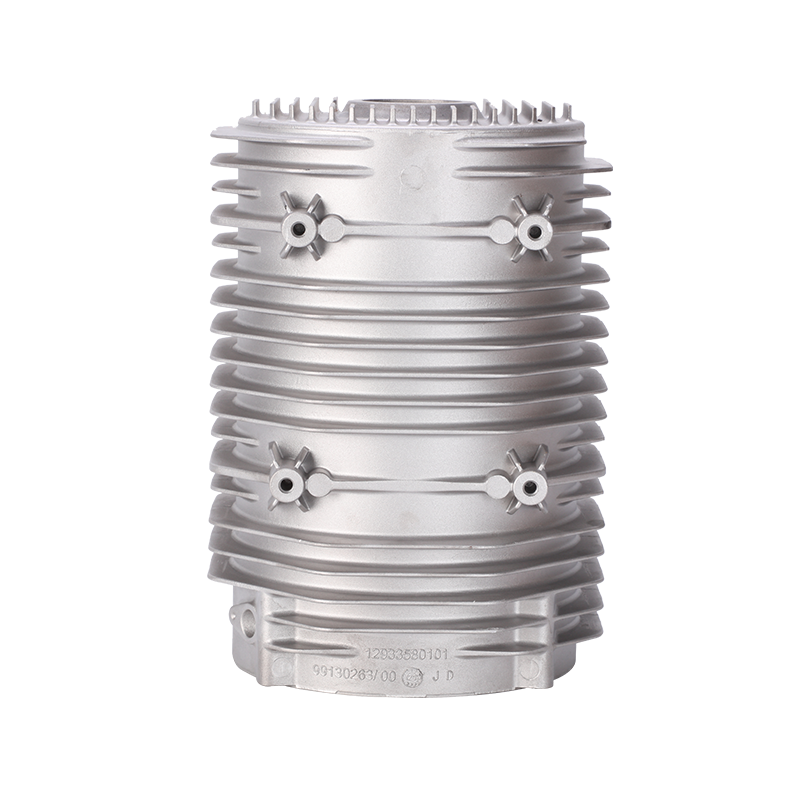
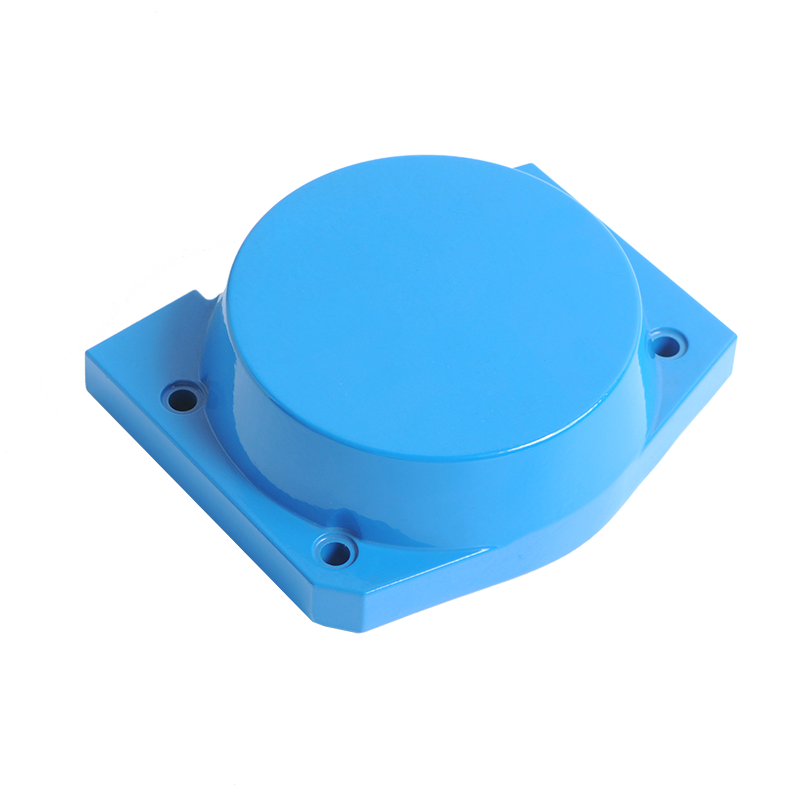
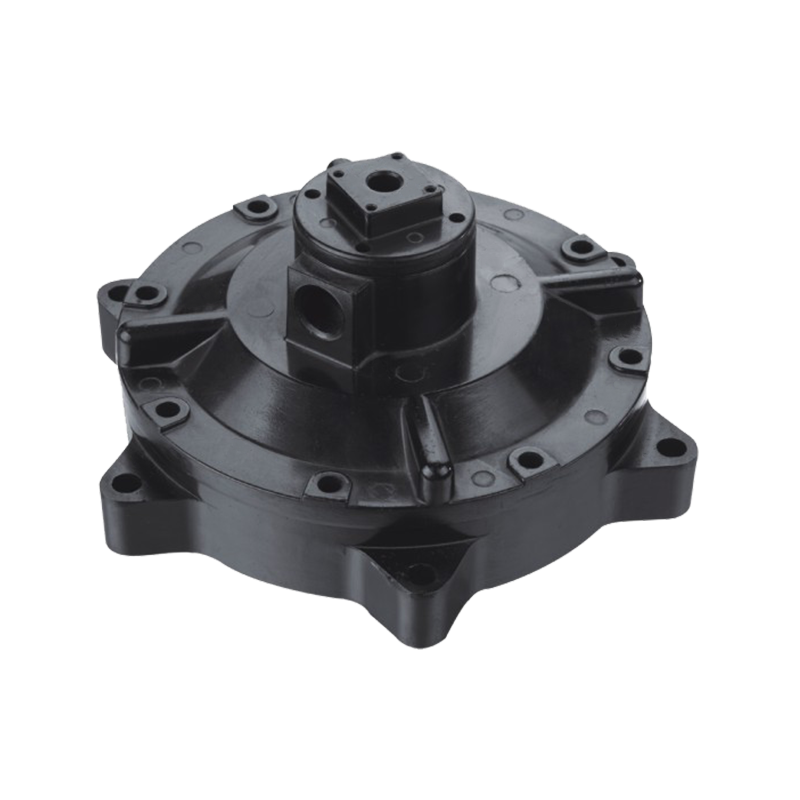
Auto part die casting is the dominant manufacturing method for high-volume, precision metal components in the automotive industry — and for good reason. It delivers tight tolerances, complex geometries, and excellent surface finishes at a cost per part that no other process can match at scale. Whether you're sourcing brackets, housings, or structural EV battery enclosures, understanding die casting will help you make faster, smarter decisions.
This guide covers everything from the fundamentals of the die casting process to material selection, electric vehicle applications, finishing options, and a practical FAQ — so you can determine whether die casting is the right fit for your project.

Die casting is a metal casting process in which molten metal is injected under high pressure into a reusable steel mold, called a die. The metal solidifies rapidly and the finished part is ejected — often in under 60 seconds per cycle. For automotive applications, this translates to millions of near-net-shape parts with consistent dimensional accuracy.
The automotive sector accounts for over 75% of all die casting production worldwide, according to the North American Die Casting Association (NADCA). Common auto parts produced via die casting include engine blocks, transmission housings, steering knuckles, pump bodies, door handles, and increasingly, large structural components for electric vehicles.
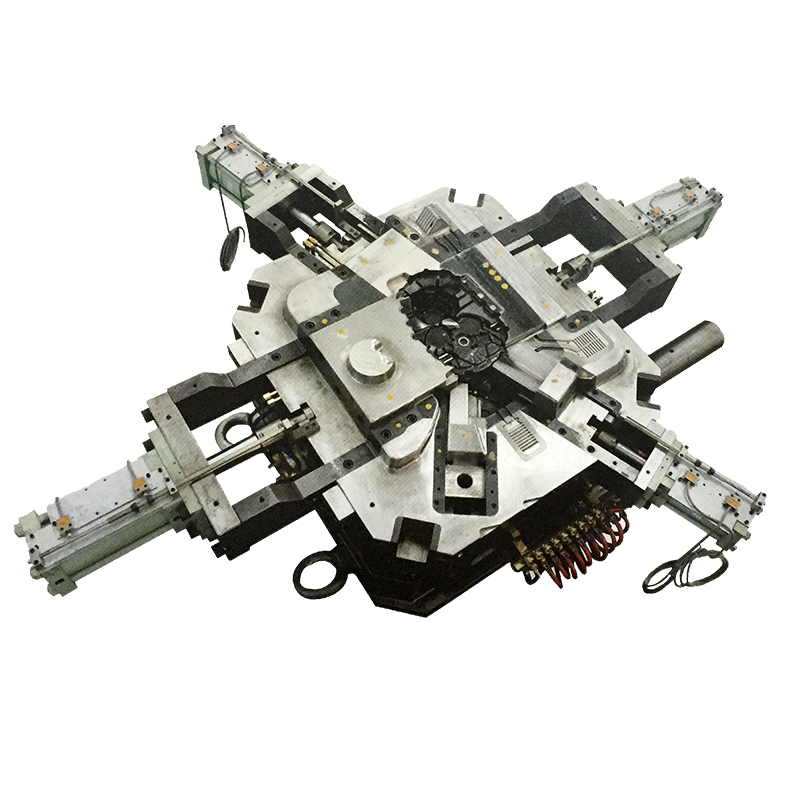
Understanding the process helps you anticipate lead times, design requirements, and cost drivers.
There are several die casting variants, each suited to different alloys, part sizes, and quality requirements.
| Type | How It Works | Best Alloys | Key Advantage |
|---|---|---|---|
| Hot Chamber | The injection mechanism is submerged in molten metal | Zinc, Magnesium | Fast cycle times, low porosity |
| Cold Chamber | Metal ladled into the shot sleeve separately | Aluminum, Copper | Handles high-melting alloys |
| Vacuum Die Casting | Air is evacuated from the die before injection | Aluminum | Near-zero porosity, weldable parts |
| Semi-Solid (Thixocasting) | Metal injected in a semi-solid state | Aluminum, Magnesium | Excellent mechanical properties |
| Squeeze Casting | High pressure is applied during solidification | Aluminum | Structural integrity, heat-treatable |
For most high-volume automotive applications, cold chamber aluminum die casting is the default choice. Vacuum die casting is increasingly specified for structural EV parts where weldability is required.
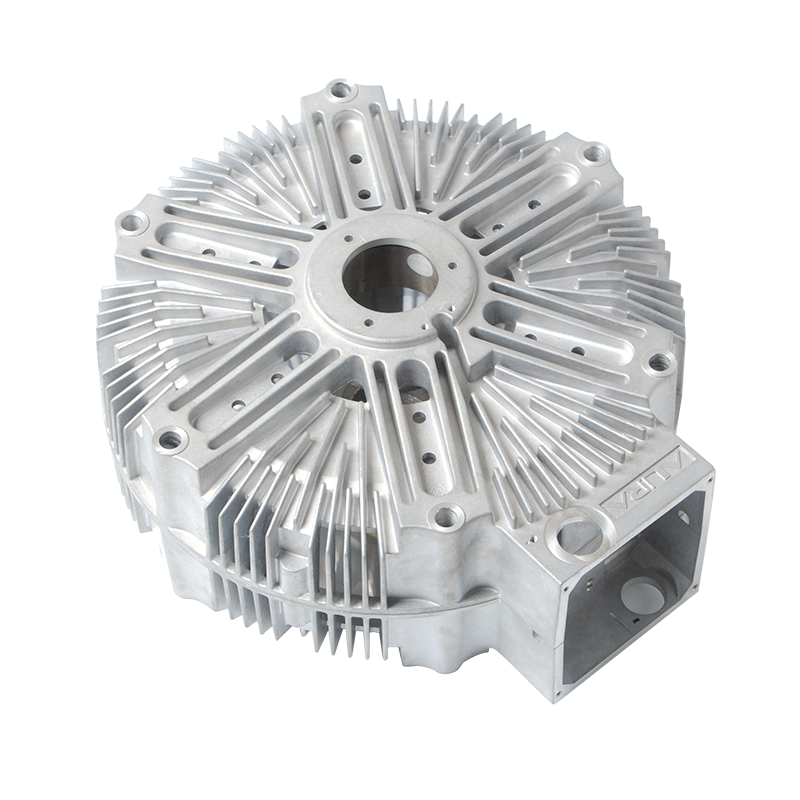
Die casting's dominance in automotive manufacturing is not accidental. It offers a combination of performance attributes that competing processes simply cannot replicate at scale.
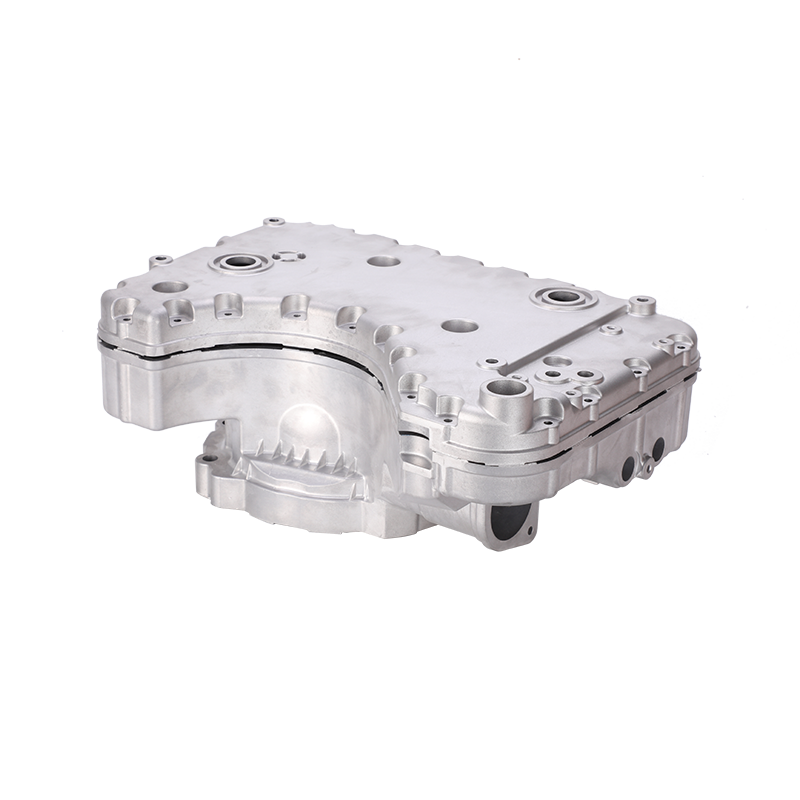
No manufacturing process is without trade-offs. Understanding die casting's limitations helps you avoid costly surprises.
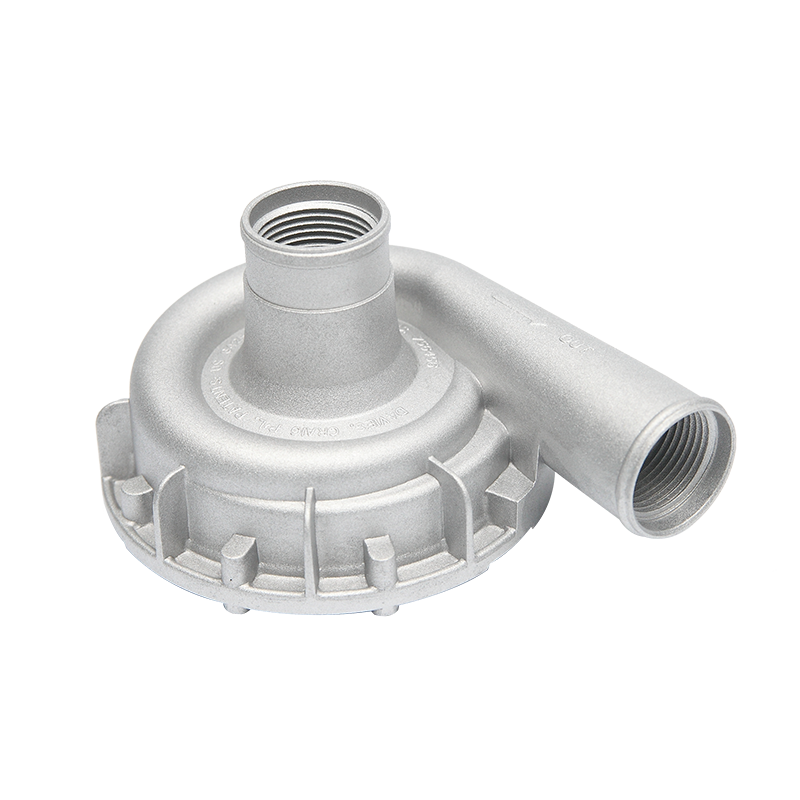
Die cast automotive components serve structural, thermal, mechanical, and aesthetic roles. The process is selected precisely because it can simultaneously satisfy multiple functional requirements in a single part.
Steering knuckles, subframe brackets, and suspension components carry dynamic loads and must meet fatigue life requirements exceeding 10 million cycles. Aluminum die castings with tensile strengths of 280–320 MPa meet these demands while reducing mass by 40–50% versus steel equivalents.
Engine blocks, cylinder heads, and increasingly EV battery housings use die casting's ability to integrate complex cooling channels directly into the part geometry — eliminating brazed assemblies and reducing thermal resistance.
Transmission cases, differential housings, and pump bodies form sealed enclosures for fluids under pressure. Die casting provides the dimensional consistency needed for reliable gasket sealing without hand-fitting.
In modern vehicles, die-cast aluminum and zinc enclosures house ECUs, sensors, and connectors, providing EMI shielding, grounding paths, and protection from vibration and ingress.
Material selection is one of the most consequential decisions in auto part die casting. Each alloy family offers a distinct combination of properties, cost, and processability.
| Alloy | Density (g/cm³) | Tensile Strength (MPa) | Typical Auto Applications |
|---|---|---|---|
| Aluminum A380 | 2.71 | 310 | Engine blocks, housings, brackets |
| Aluminum ADC12 | 2.74 | 320 | Transmission cases, EV battery trays |
| Magnesium AZ91D | 1.81 | 230 | Instrument panels, steering wheels |
| Zinc Zamak 3 | 6.60 | 283 | Door handles, lock components, connectors |
| Copper C83600 | 8.50 | 255 | Electrical terminals, bearings |
Aluminum alloys dominate automotive die casting, representing approximately 80% of all automotive castings by weight. The trend toward vehicle lightweighting is accelerating the shift from zinc and cast iron to aluminum — particularly in powertrain and structural applications.
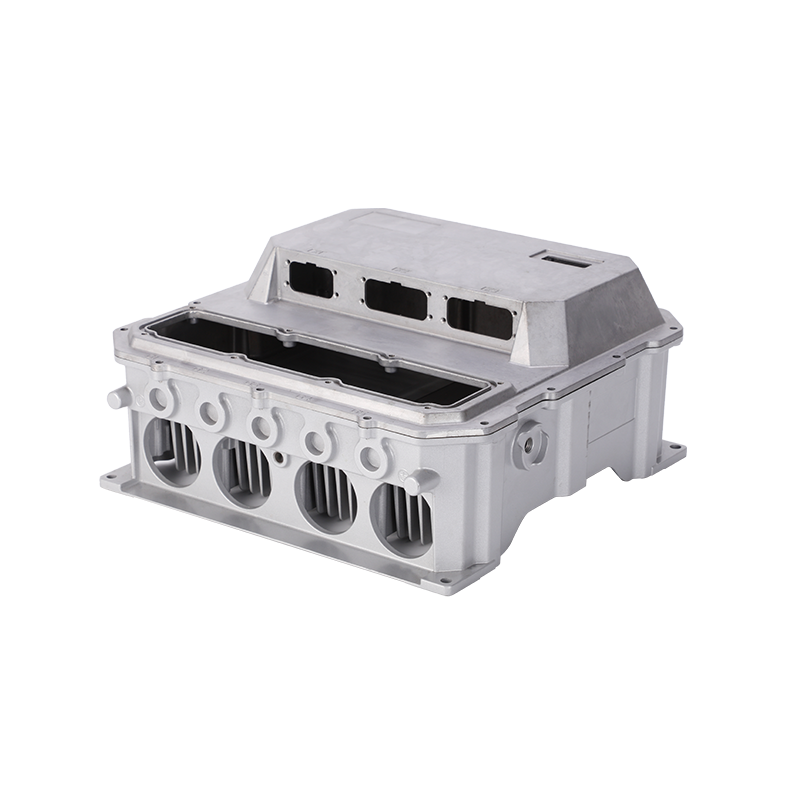
Electric vehicles are reshaping die casting demand in profound ways. The elimination of the internal combustion engine removes some traditional casting applications (cylinder heads, engine blocks) while creating far larger opportunities in EV-specific architectures.
EV manufacturers predominantly use high-ductility aluminum alloys that can withstand crash loads without fracture — a requirement driven by battery protection regulations. Alloys such as Silafont-36 (AlSi10MnMg), Aural-2, and proprietary compositions are optimized for:
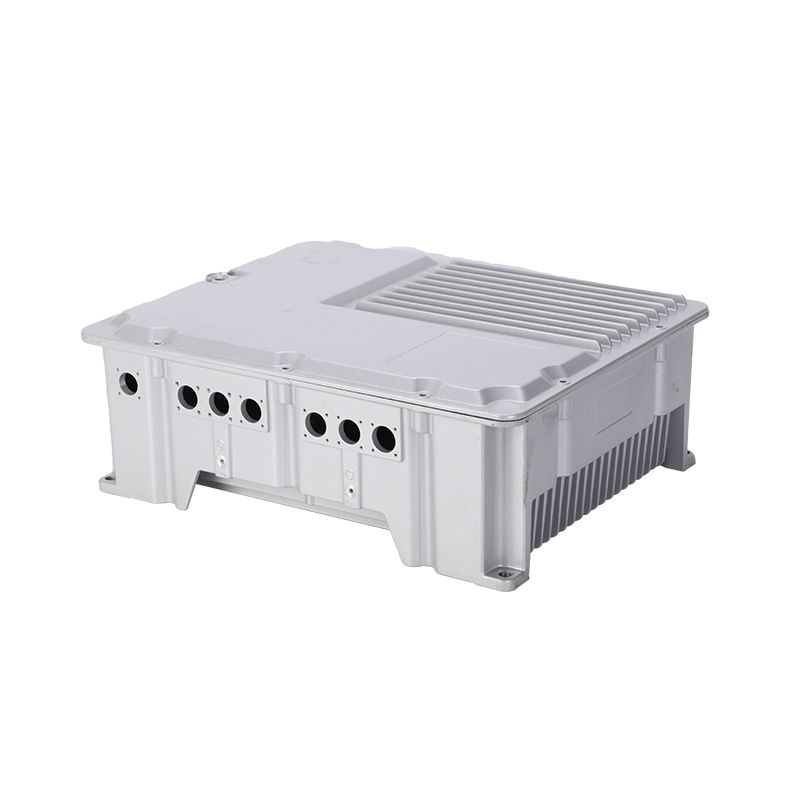
The most transformative EV casting trend is giga-casting — using machines with clamping forces of 6,000 to 16,000 tons to produce massive single-piece structural castings that replace hundreds of stamped and welded parts. Tesla's Model Y rear underbody, for example, consolidates approximately 70 individual parts into one die-cast component, reducing assembly time by 30% and weight by 10%.
Key EV die casting applications include:
The global EV die casting market was valued at approximately $5.8 billion in 2023 and is projected to exceed $18 billion by 2032, driven by EV adoption rates and the proliferation of giga-casting technology across OEMs including Volvo, Toyota, and Rivian.
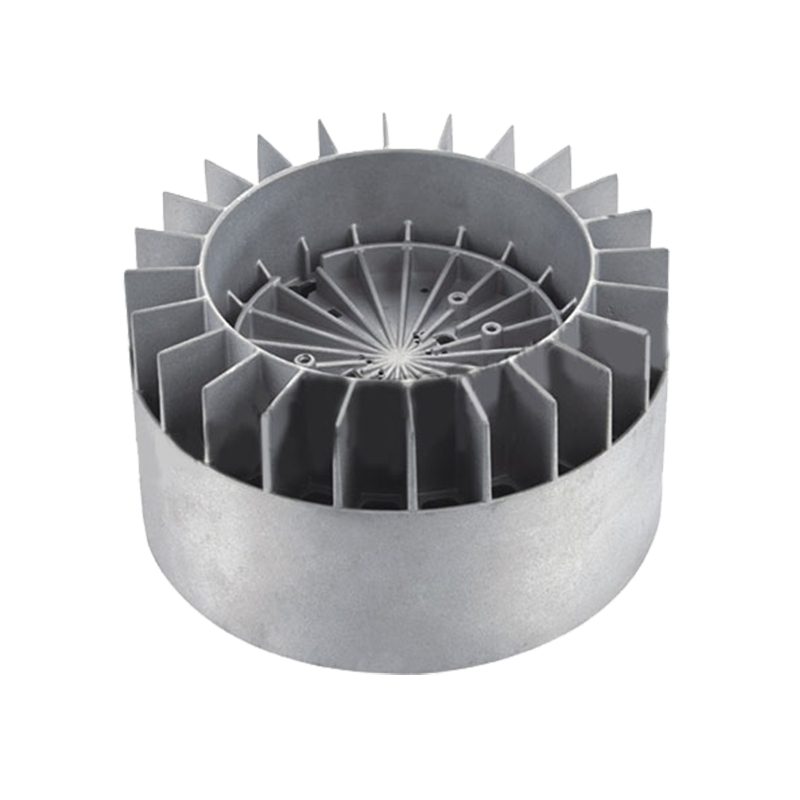
Die casting is applied across virtually every vehicle system. The following are the most significant application areas:
Engine blocks, cylinder heads, oil pans, timing covers, and transmission cases have historically been the backbone of automotive die casting. A typical V6 engine may contain 15–20 die-cast components, each requiring complex internal coring and tight bore tolerances.
Steering knuckles, control arm brackets, and subframe nodes are increasingly die-cast in aluminum, replacing forged steel to reduce unsprung mass. Reduced unsprung mass of even 1 kg per corner measurably improves ride frequency and handling response.
Door handles, mirror brackets, seat adjusters, and decorative trim components are typically zinc die cast, leveraging zinc's ability to hold tight tolerances at thin wall sections as low as 0.4 mm.
Compressor housings, pump bodies, thermostat housings, and valve bodies for HVAC and cooling systems are commonly aluminum die cast, chosen for their pressure-tightness and compatibility with coolant chemistries.
ECU housings, radar sensor brackets, and connector bodies are among the fastest-growing die casting applications in modern vehicles, driven by the proliferation of ADAS and connected vehicle electronics.
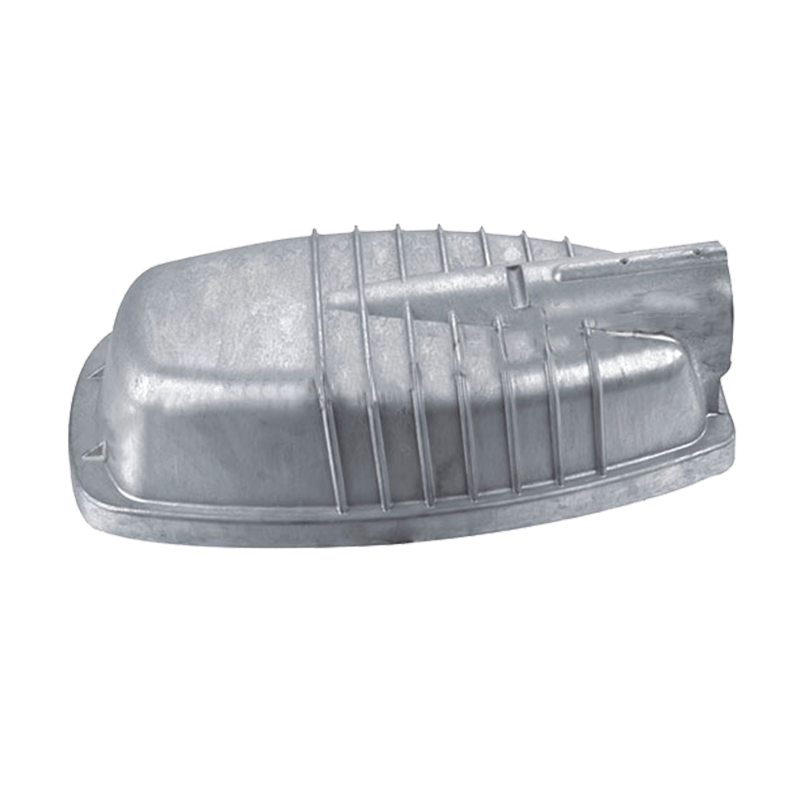
Most die-cast automotive parts require one or more finishing operations to meet functional or aesthetic requirements. Choosing the right finishing process is as important as the casting parameters themselves.

Supplier selection is a strategic decision that affects cost, quality, and supply chain resilience for the life of the program. Do not select solely on piece price — tooling quality, process control, and application engineering capability are equally important.
Evaluate the supplier's machine tonnage range, die design capability (in-house vs. outsourced), and process control systems. For EV structural parts, confirm they have vacuum die casting or squeeze casting capability and experience with high-ductility alloys.
At minimum, automotive die casting suppliers should hold IATF 16949 certification and operate an APQP/PPAP process. Ask for Cpk data (target ≥1.67 for critical dimensions) and defect rate metrics (target ≤50 ppm for Tier 1 automotive).
The best suppliers engage early in the design phase to optimize part geometry for castability, reducing tool complexity and cycle time. Look for demonstrated DFM case studies showing part consolidation or yield improvement outcomes.
Suppliers with in-house machining, finishing, and sub-assembly capability reduce your tier count and logistics complexity. For global programs, confirm that the supplier has multi-site capability or qualified backup sources.
Die casting is an excellent choice when several conditions align. Use the following framework to assess fit:
| Factor | Die Casting Preferred | Consider Alternatives |
|---|---|---|
| Annual volume | >5,000 parts/year | <5,000 (sand casting, 3D printing) |
| Material | Al, Zn, Mg, Cu | Steel, titanium, inconel |
| Geometry complexity | Complex, multi-feature, thin-wall | Simple prismatic shapes (machining) |
| Structural criticality | Moderate to high (with vacuum) | Highest safety class (forging) |
| Surface finish requirement | Ra 1–3 µm as-cast acceptable | Mirror finish needed (machining) |
| Time to market | 8–16 weeks tooling lead time acceptable | Weeks needed (3D printing, machining) |
If your part is aluminum or zinc, produced at more than 10,000 units per year, and features internal channels or complex external geometry, die casting will almost certainly be the most cost-effective option. For low volumes, safety-critical applications requiring forged microstructure or exotic alloys, consider alternatives.
Zinc die casting can achieve walls as thin as 0.4–0.6 mm; aluminum typically has a practical minimum of 1.0–1.5 mm for automotive structural parts. Walls that are too thin can result in cold shuts and incomplete fill.
A well-maintained H13 tool steel die typically produces 100,000–500,000 shots for aluminum castings and up to 1,000,000 shots for zinc. Die life depends heavily on part geometry, alloy temperature, and cooling circuit design.
Standard high-pressure die cast (HPDC) parts contain trapped gas and are generally not weldable. Vacuum die cast or squeeze cast parts using high-ductility alloys (e.g., Silafont-36) can be MIG/TIG welded and are used in structural EV body applications.
Giga-casting refers to the use of very large die casting machines (6,000–16,000+ ton clamping force) to produce single-piece structural body castings. Tesla pioneered the technique with its Model Y rear underbody, and competitors including Volvo, Toyota, BYD, Geely, and Rivian are actively implementing similar processes.
Industrial X-ray (2D and 3D CT scanning) is the primary inspection method for internal porosity in safety-critical castings. ASTM E505 and ASTM E155 provide reference radiograph standards for acceptable porosity levels in aluminum and magnesium die castings.
For a typical aluminum automotive die casting, expect 16–24 weeks from design freeze to first PPAP-approved parts: 8–12 weeks for die fabrication, 2–4 weeks for trial shots and process optimization, and 4–8 weeks for PPAP documentation and approval.
As-cast surface roughness for aluminum die castings is typically Ra 1.6–3.2 µm on flat surfaces and Ra 3.2–6.3 µm in areas with complex geometry or near venting locations. Polished die surfaces can achieve Ra 0.8 µm on cosmetic faces.
ARE YOU READY TO COOPERATE WITH jieda?
* Your email is safe with us, we don’t spam.

PRODUCTS
CONTACT INFO
nbjd011@126.com
+86-574-86115705
No. 58 Mould Road, Daqi Technology Industrial Zone, Beilun District, Ningbo

 English
 Español
 italiano