Content
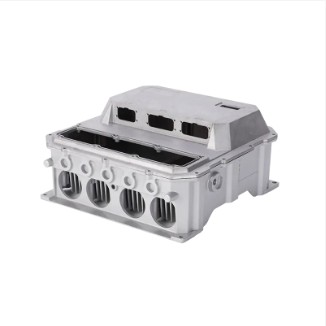
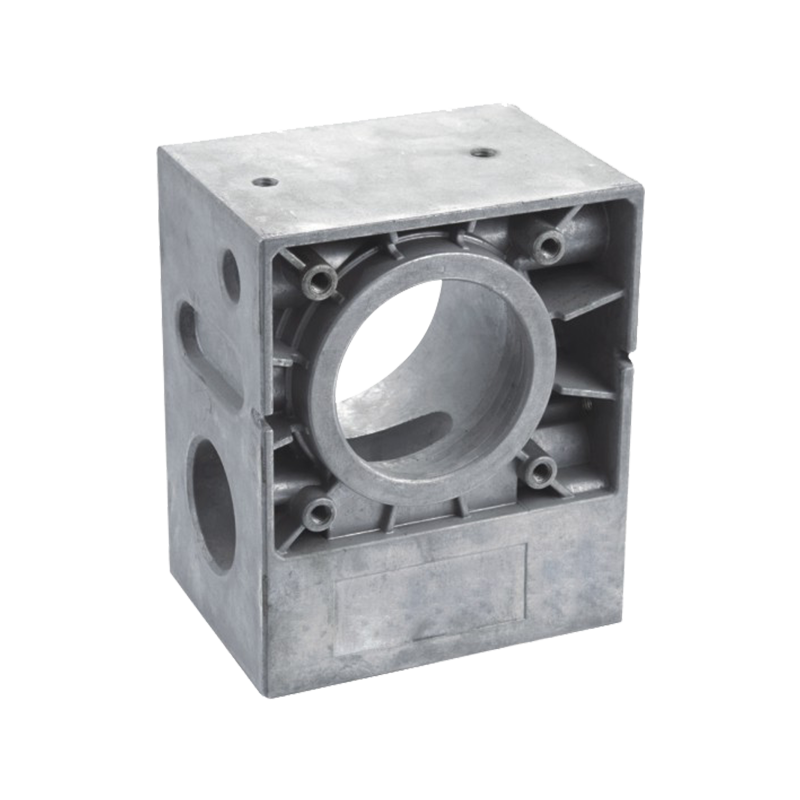
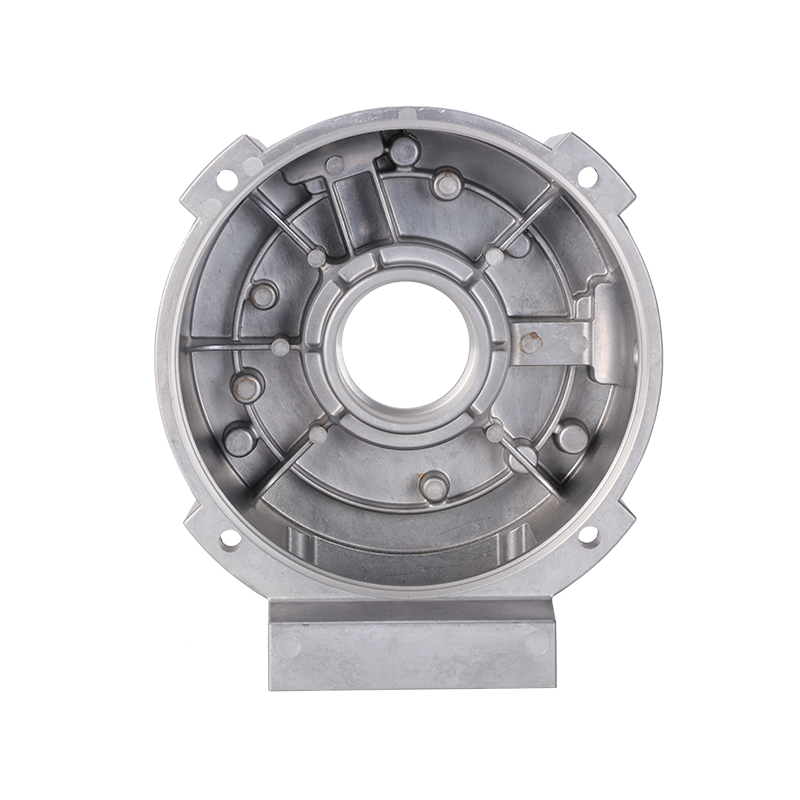
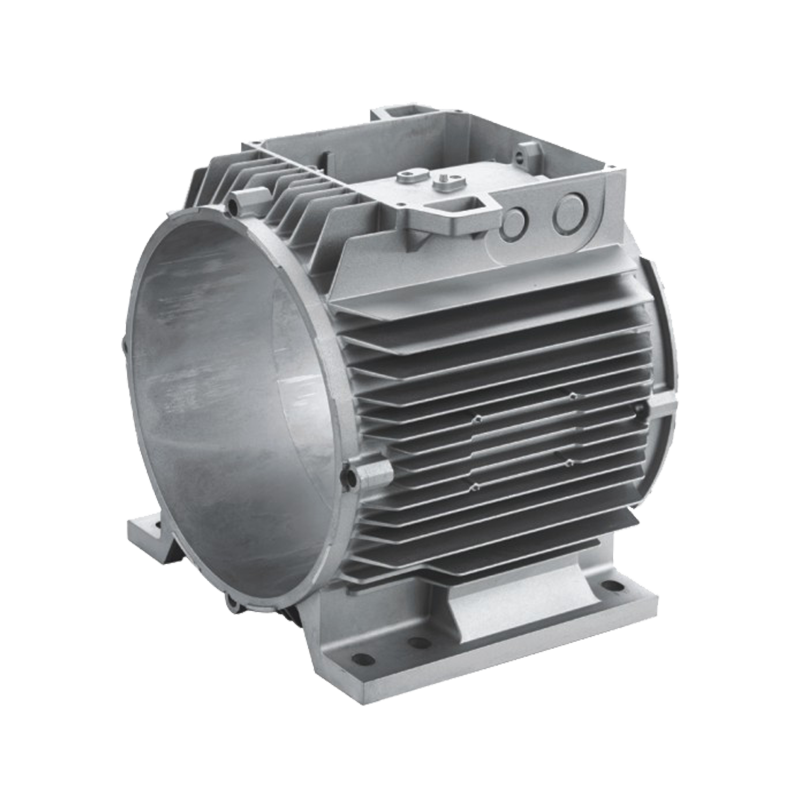
Die casting is a high-precision metal manufacturing process in which molten metal — most commonly aluminum, zinc, or magnesium — is injected under high pressure into a reusable steel mold called a die. The result is a dimensionally accurate, smooth-surfaced metal part produced at high volume with minimal post-processing. Die casting is widely regarded as one of the most efficient methods for producing complex metal components at scale.
Unlike sand casting or investment casting, die casting uses permanent molds capable of producing thousands to millions of identical parts. Typical injection pressures range from 1,500 to 25,000 psi, and cycle times can be as fast as a few seconds per part, making it ideal for mass production applications in automotive, electronics, and industrial sectors.
The two primary variants are:
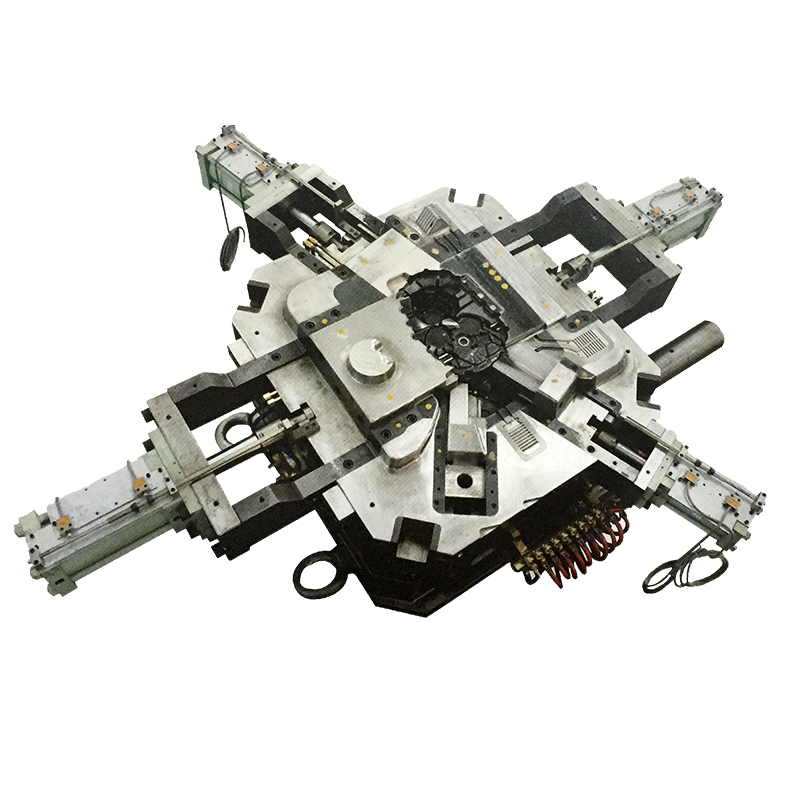
A die casting mold (also called a die or tool) is a precision-engineered assembly made up of several interdependent components. Understanding each part is essential for evaluating mold quality and longevity.
| Component | Function | Material Typically Used |
|---|---|---|
| Cover Die (Fixed Half) | Attached to the stationary platen; receives molten metal | H13 tool steel |
| Ejector Die (Moving Half) | Opens and closes; ejects the finished part | H13 tool steel |
| Sprue / Runner System | Channels that guide molten metal into the cavity | Machined from die block |
| Gate | Controls flow speed and direction into the cavity | Machined from die block |
| Cooling Channels | Regulate temperature to control solidification and cycle time | Drilled into die body |
| Ejector Pins | Push the solidified part out of the mold | D2 or H13 steel |
| Vents / Overflow Wells | Release trapped air and excess metal to prevent porosity | Machined from die block |
| Slides / Cores | Form undercuts, holes, and internal geometry | Tool steel inserts |
The die cavity itself is the negative space that defines the final part geometry. Mold steel hardness, surface finish, and cooling channel placement directly determine part quality and tool lifespan — a well-designed aluminum die casting mold can sustain over 100,000 shots before requiring refurbishment.
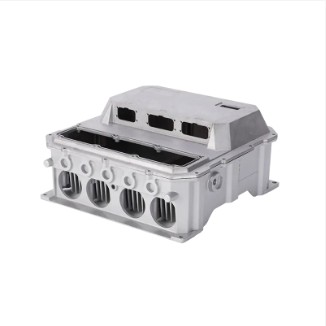
Not all die casting molds are the same. The appropriate mold type depends on production volume, part complexity, and alloy being cast.
Produces one part per shot. Best for large, complex parts or low-to-medium production runs. Lower tooling cost upfront, but higher per-unit cost at scale.
Produces multiple identical parts per shot, dramatically increasing throughput. A 4-cavity mold, for example, can quadruple output without increasing machine time. Common in high-volume consumer electronics or automotive parts production.
Contains cavities for different parts within a single mold, typically components that are assembled together. Useful for reducing tooling investment when parts share the same alloy and cycle parameters.
Modular mold systems where inserts can be swapped. These provide flexibility for product variations or design iterations without replacing the entire mold base.
Made from softer materials (like aluminum tooling blocks) for early-stage validation. Typically rated for 500–5,000 shots, these molds allow design verification before committing to hard production tooling.
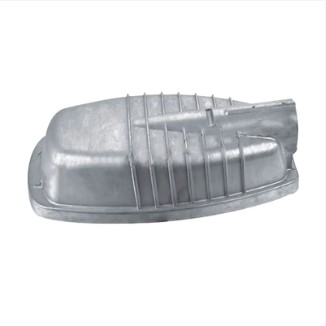
Effective die cast mold design requires a systems-level approach that balances part geometry, material flow, thermal management, and manufacturability. Poor mold design is one of the leading causes of part defects, scrap, and premature tooling failure.
All vertical walls must include a draft angle — typically 1° to 3° for external surfaces and up to 5° for internal surfaces — to allow clean part ejection without drag marks or distortion.
Inconsistent wall thickness causes differential cooling rates, leading to warpage and porosity. Optimal wall thickness for aluminum die casting is typically 2–4 mm. Transitions between thick and thin sections should be gradual.
Gates must be positioned to ensure the cavity fills uniformly before solidification begins. Poorly placed gates lead to cold shuts, misruns, and turbulence-induced porosity. CAE simulation tools (e.g., MAGMASOFT, Flow-3D) are now standard practice for gate optimization.
Cooling channels should be positioned within 25–40 mm of the cavity surface to maximize heat extraction efficiency. Conformal cooling, which uses channels that follow the part contour, can reduce cycle time by 20–30% compared to conventional straight-line drilling.
Adequate venting prevents air entrapment, a primary cause of porosity. Vents are typically 0.05–0.15 mm deep — thin enough to prevent metal flash but wide enough to allow air escape at high injection speeds.
The parting line defines where the two halves of the mold meet. It must be positioned to minimize flash, facilitate ejection, and maintain dimensional tolerances on critical surfaces. A poorly chosen parting line can add significant secondary machining cost.
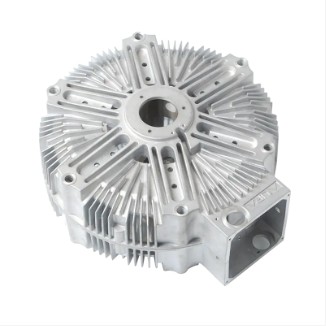
The manufacturing of a die casting mold is a highly precise, multi-stage process that typically takes 4 to 12 weeks depending on complexity. Here is the standard production workflow:
Manufacturers like Ningbo Jieda Molding & Machine Co., Ltd. deploy advanced CAD/CAM/CAE systems alongside precision CNC machining centers and EDM equipment to ensure each mold meets exacting tolerances across all production stages.
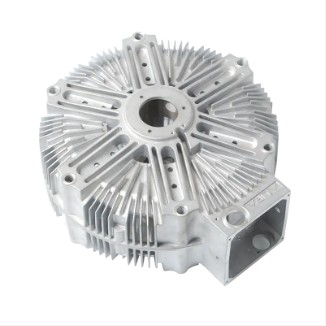
Following proven best practices in mold design reduces defects, extends tool life, and lowers total cost of ownership. Key principles include:
The die casting mold is not a commodity — it is the core capital asset that defines part quality, production efficiency, and long-term profitability. Its importance can be understood across several dimensions:
A precision mold produces parts with tolerances as tight as ±0.05 mm and surface finishes as smooth as Ra 0.8 μm — quality levels unachievable with sand casting or forging. Dimensional repeatability across millions of parts is fundamentally a function of mold quality.
While a high-quality aluminum die casting mold may cost between $20,000 and $100,000+, its amortized cost over 100,000+ shots is often just cents per part. A mold that fails prematurely due to poor design or materials can cost far more in downtime, scrap, and retooling than the initial savings justified.
Mold lead time is typically the longest single element of a die casting product launch. Manufacturers who invest in advanced CAD/CAM systems and parallel engineering processes can compress mold lead times from 10–12 weeks to as few as 4–6 weeks, offering a significant competitive advantage.
Die casting molds enable near-net-shape manufacturing, which minimizes material waste. Aluminum die casting scrap rates in well-optimized processes are typically below 5%, and the alloy is fully recyclable — key considerations as manufacturers face increasing ESG pressure.
Die casting molds serve an extraordinarily broad range of industries. Their ability to produce complex, high-strength parts at speed makes them indispensable across the following sectors:
| Industry | Typical Parts | Key Requirements |
|---|---|---|
| Automotive | Engine housings, transmission cases, brackets, EV battery enclosures | High strength-to-weight, IATF16949 compliance |
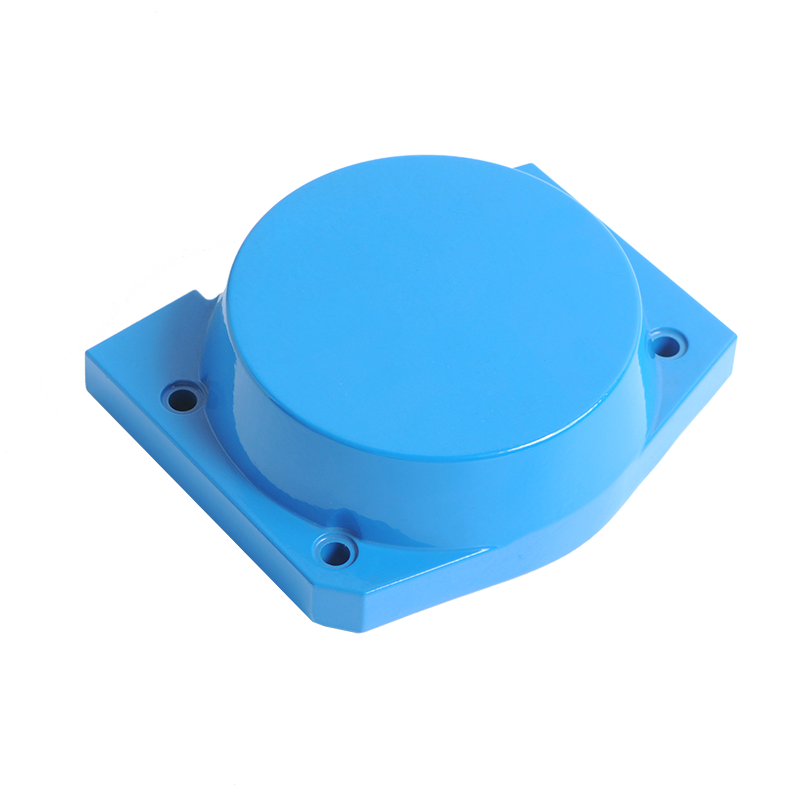
| New Energy / Photovoltaic | Inverter housings, solar mounting brackets, motor end caps | Dimensional stability, thermal conductivity |
| Communications Equipment | 5G base station housings, antenna components, heat sinks | EMI shielding, tight tolerances |
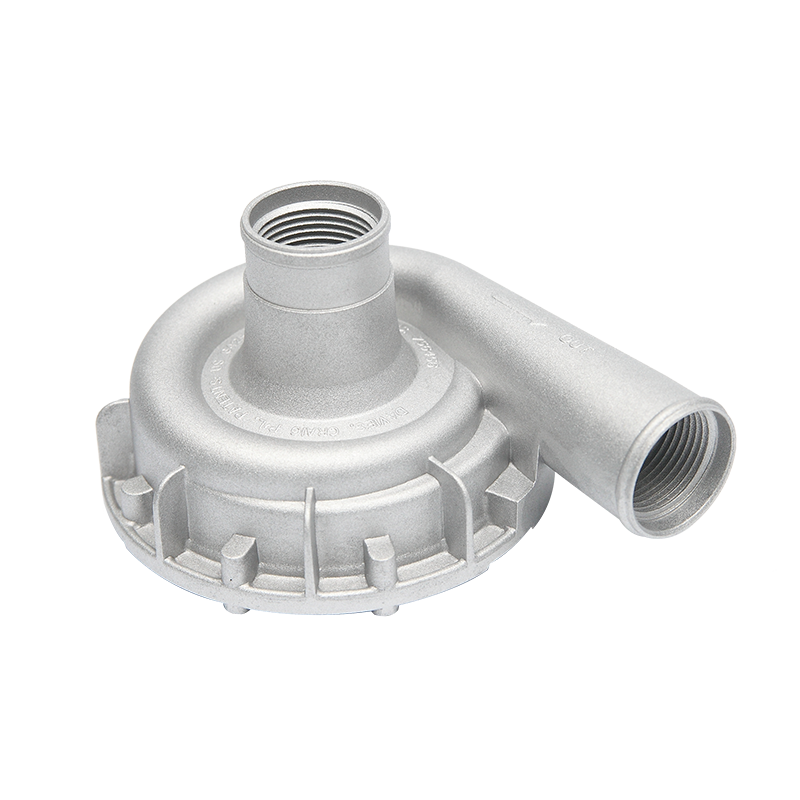
| Industrial / Pneumatics | Valve bodies, cylinder caps, reducer housings | Pressure integrity, surface sealing |
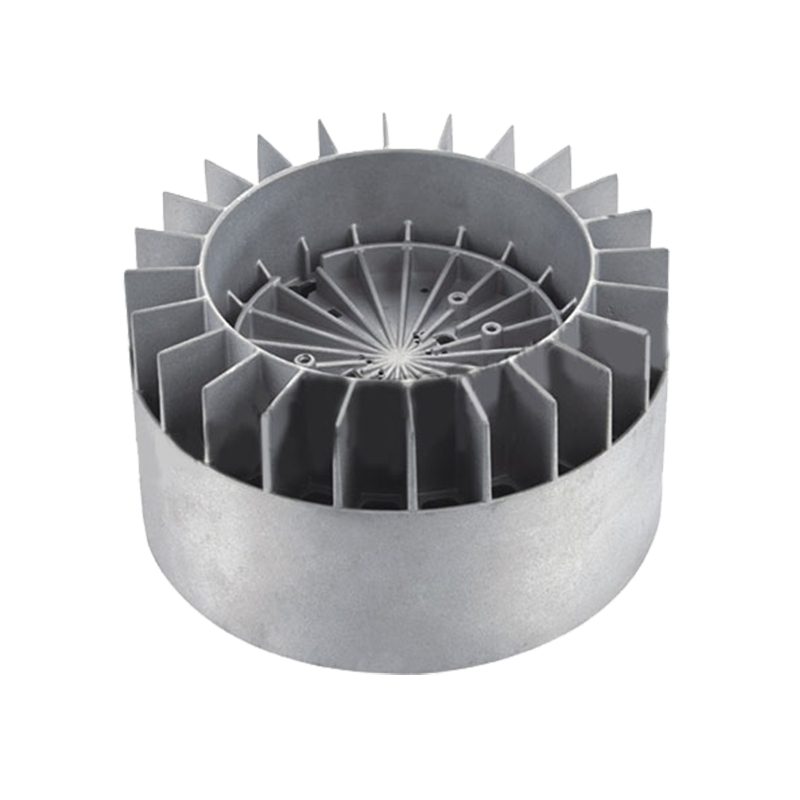
| Lighting | LED heat sinks, lamp housings, reflectors | Surface finish, heat dissipation |
| Electric Motors | Motor end shields, stator housings, cooling fins | Concentricity, bearing fit tolerances |
Jieda's product portfolio spans all of these sectors, supplying parts to world-renowned companies in the United States, Germany, Italy, France, the UK, Finland, India, Australia, and Poland — a testament to the global demand for precision die casting solutions.
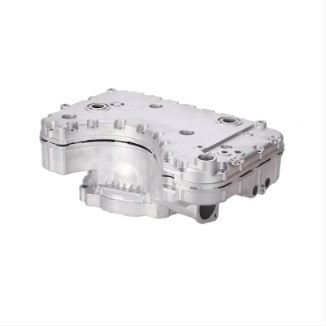
Selecting the right die casting mold manufacturer is a strategic decision with long-term implications for part quality, supply chain reliability, and cost. Here are the critical criteria to evaluate:
Look for manufacturers with precision CNC machining centers, EDM, wire cutting, and mold flow simulation capability. These tools are not optional for complex molds — they are prerequisites for achieving repeatable dimensional accuracy.
IATF 16949 certification is the automotive industry's gold standard for quality management and is increasingly required by Tier 1 and OEM customers across other industries. It ensures the manufacturer operates a closed-loop quality system with documented risk prevention, clear processes, and objective performance data.
Manufacturers with deep experience in your specific industry — automotive, new energy, or industrial — understand the regulatory requirements, tolerance standards, and functional demands unique to that sector. Look for proven case studies and customer references.
Manufacturers who both build molds and operate die casting machines offer a significant advantage: they can validate molds on their own equipment and optimize both tooling and process parameters simultaneously. Jieda, for example, operates Hong Kong Lijin machines from 200T to 1600T — enabling production validation across a wide range of part sizes.
A full-service manufacturer offering surface treatment — anodizing, powder coating, shot blasting — reduces the number of suppliers in your value chain and simplifies quality accountability.
Founded in 1987, Ningbo Jieda Molding & Machine Co., Ltd. is located in Beilun, Ningbo — China's nationally recognized "Hometown of Die-casting Molds." With over 130 employees, more than 80 pieces of production equipment, and fixed assets exceeding 70 million RMB, Jieda has the infrastructure, experience, and geographic logistics advantage (adjacent to Beilun Port) to serve global customers efficiently. Its IATF16949 certification and systematic closed-loop quality management model make it a reliable partner for demanding international supply chains.
When evaluating any manufacturer, request mold design reviews, tooling warranties, and documented shot-count performance data — these are the clearest indicators of long-term mold reliability and supplier confidence.
ARE YOU READY TO COOPERATE WITH jieda?
* Your email is safe with us, we don’t spam.

PRODUCTS
CONTACT INFO
nbjd011@126.com
+86-574-86115705
No. 58 Mould Road, Daqi Technology Industrial Zone, Beilun District, Ningbo

 English
 Español
 italiano