Content
The short answer for procurement teams and engineering managers: the aluminum die casting market in 2026 is still growing, and the growth is real but concentrated in a few industries. Most published estimates put the market between USD 89 billion and USD 93 billion in 2026, with forecasts of roughly USD 130–147 billion by the early 2030s at a compound annual growth rate of 6% to 8%. The exact number depends on how a report defines the market — whether it includes captive foundries, tooling, and secondary machining. What matters more than the headline figure is where the demand is coming from.
Automotive remains the single largest buyer of aluminum die castings, and the shift to electric vehicles is accelerating demand for housings, battery enclosures, and structural components. Industrial equipment, LED lighting, and telecommunications add a steady base load. The table below summarizes widely cited 2026 market estimates.
| Source | 2026 market value | Forecast | CAGR |
|---|---|---|---|
| Grand View Research | USD 89.3 billion | USD 134.1 billion by 2033 | 6.0% |
| Mordor Intelligence | USD 92.6 billion (total die casting) | USD 130.2 billion by 2031 | 7.0% |
| Precedence Research | USD 90.3 billion | USD 146.8 billion by 2035 | 6.0% |
| Business Research Insights | USD 27.1 billion (narrower scope) | USD 46.0 billion by 2035 | 5.7% |
The range shown above is not a sign that forecasters disagree about the direction. Every major report points the same way: aluminum die casting grows faster than general manufacturing because it replaces steel fabrications and because aluminum content per vehicle keeps rising. A 2026 buyer should expect a mid-single-digit to high-single-digit growth environment, which means supply is generally available but the best capacity is busy.
Electric vehicles consume more aluminum castings per vehicle than comparable internal-combustion models. Battery packs need enclosures that combine crash protection, sealing, and thermal management; drive motors need housings that hold tight tolerances and dissipate heat. These parts are almost always high-pressure aluminum die castings.
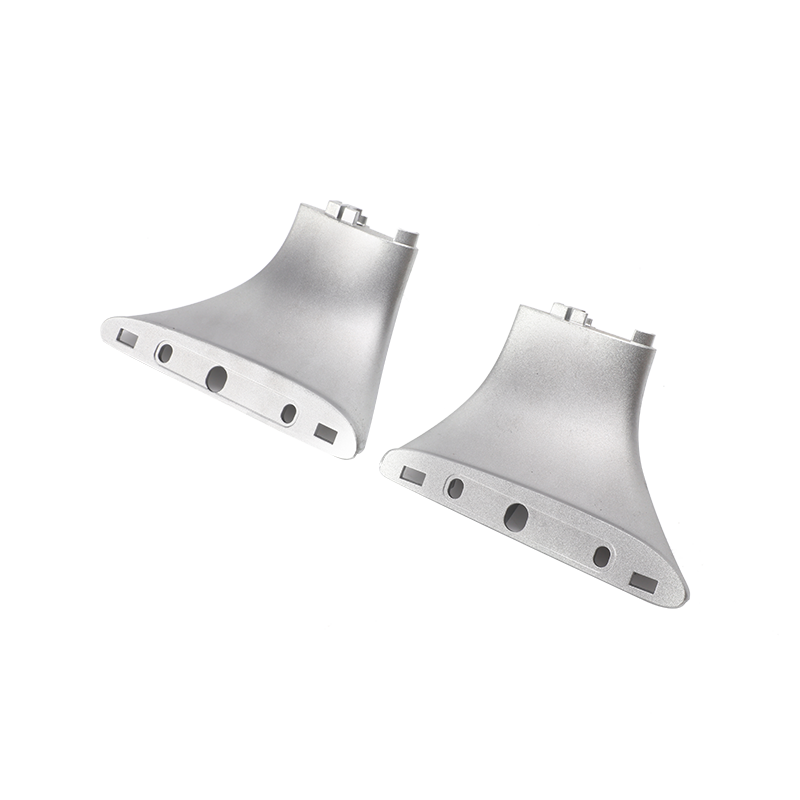
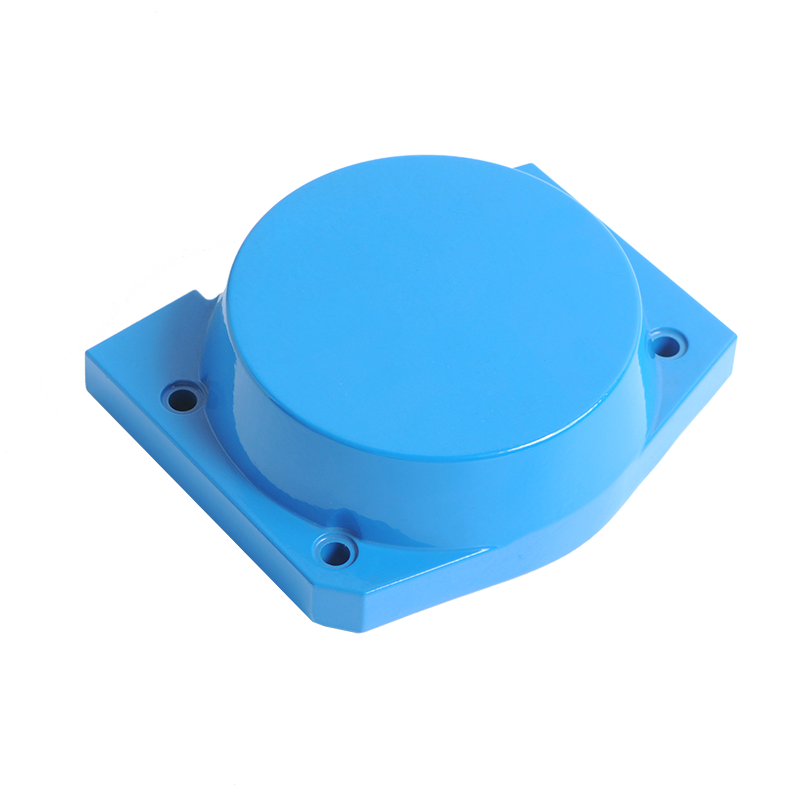
A battery housing is not a simple box. It has thin walls, deep ribs, and stringent air-tightness requirements that push foundries to master mold design and process control. The same logic applies to battery housings and covers for new energy vehicles, where dimensional stability directly affects pack assembly and safety.
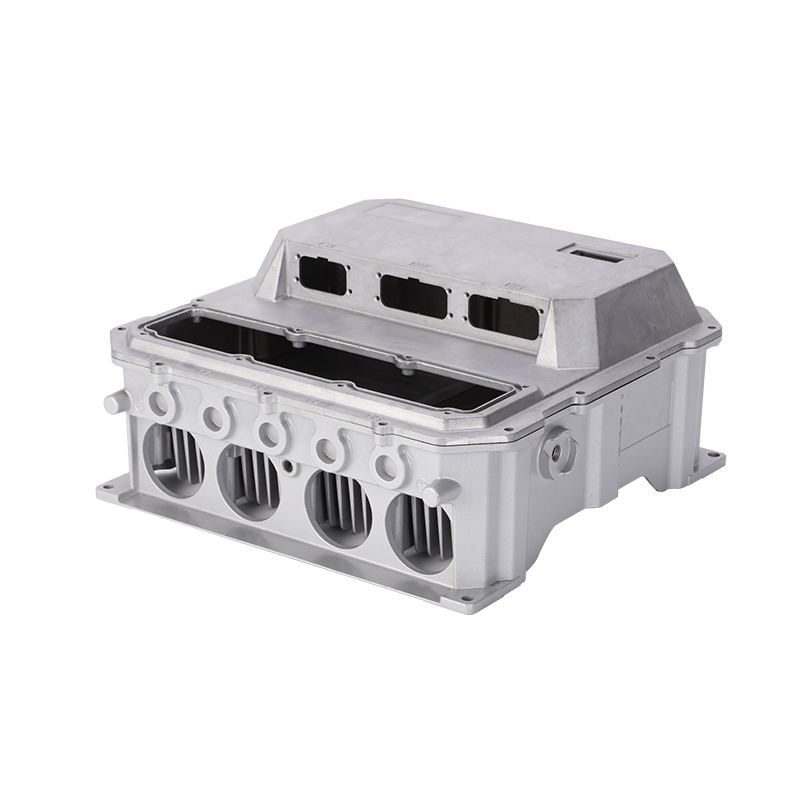 Battery Housing and Cover for New Energy/Electric Automobile- Ningbo Jieda MoldiView Product →
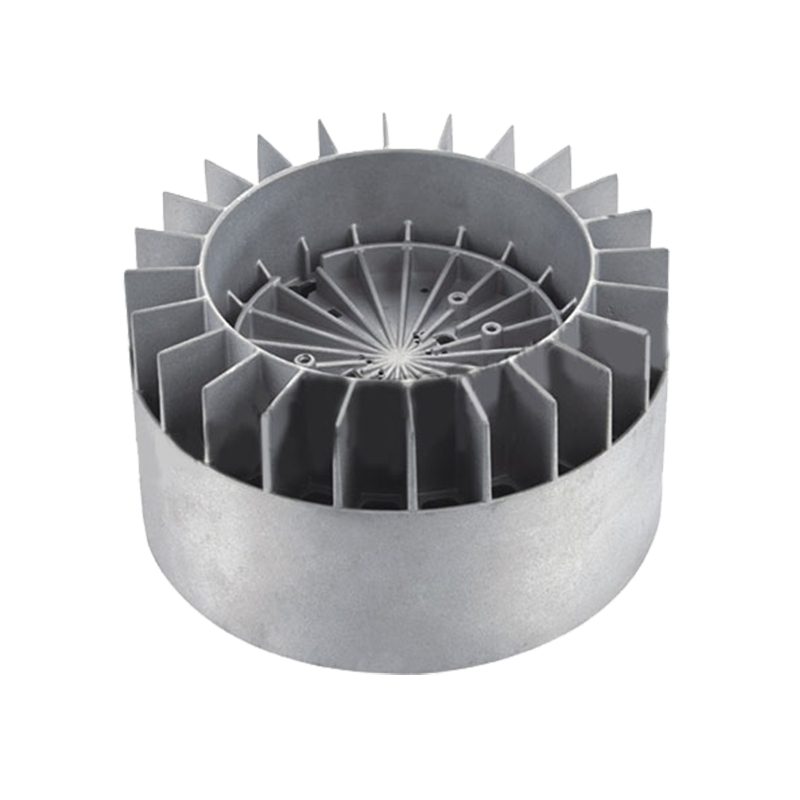
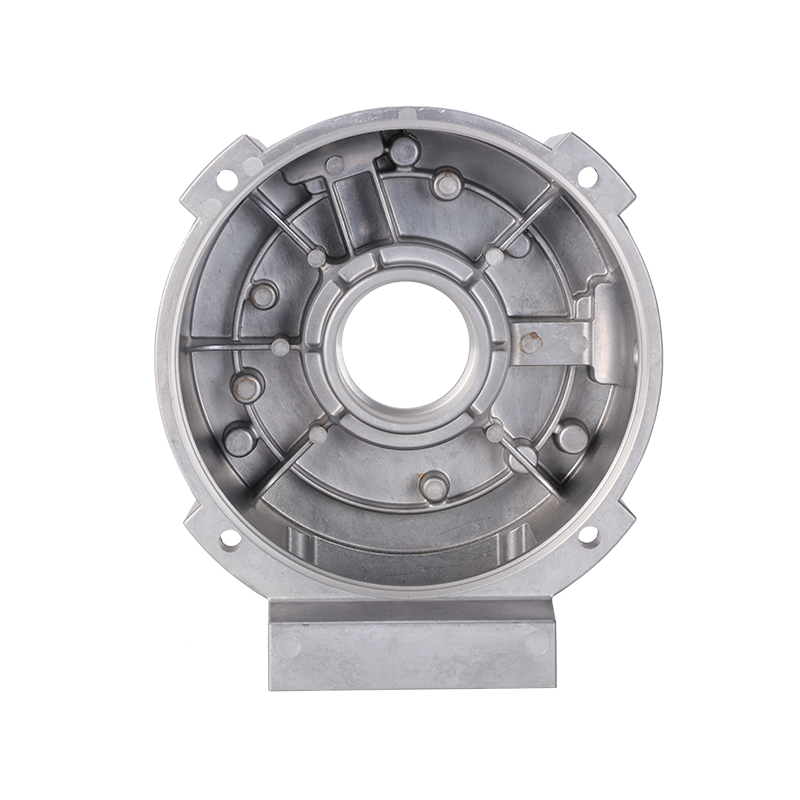
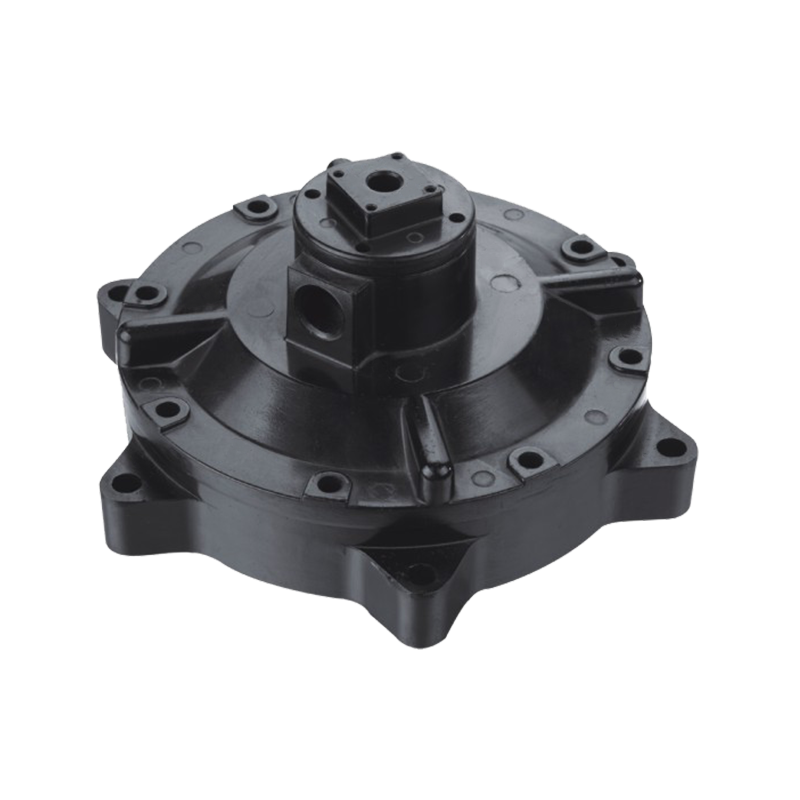
Motor housings follow a similar pattern: high thermal conductivity, precise bore geometry, and good vibration damping. Demand is not a short-term spike. Global NEV sales are still climbing in 2026, and each new platform adds more cast aluminum content, including high-pressure aluminum die cast automobile motor housings with tight tolerances and integrated cooling channels.
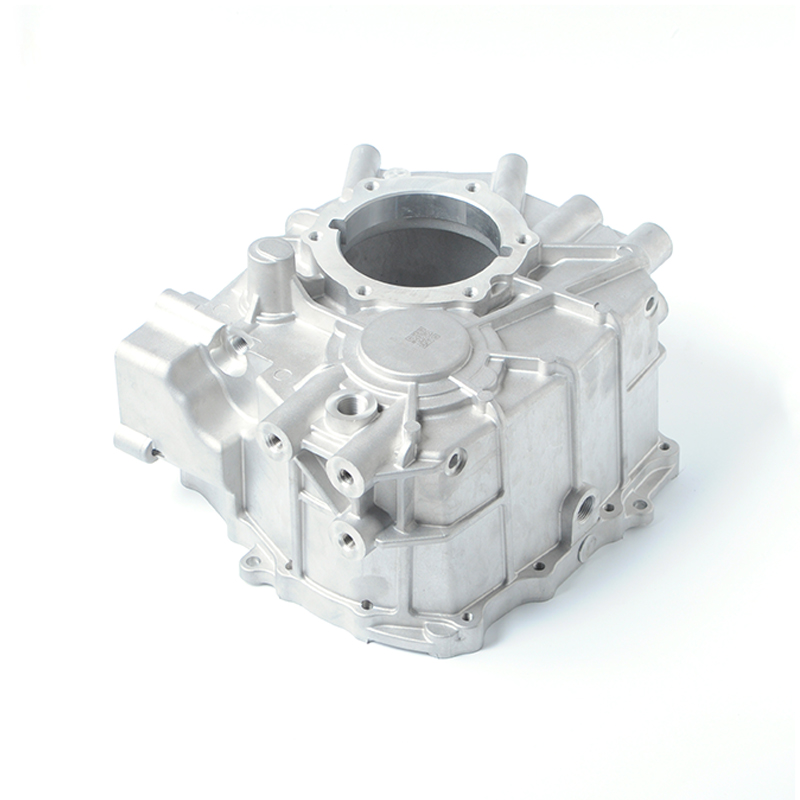 Automobile Motor Housing in High-pressure Aluminum Die Casting- Ningbo Jieda MolView Product →
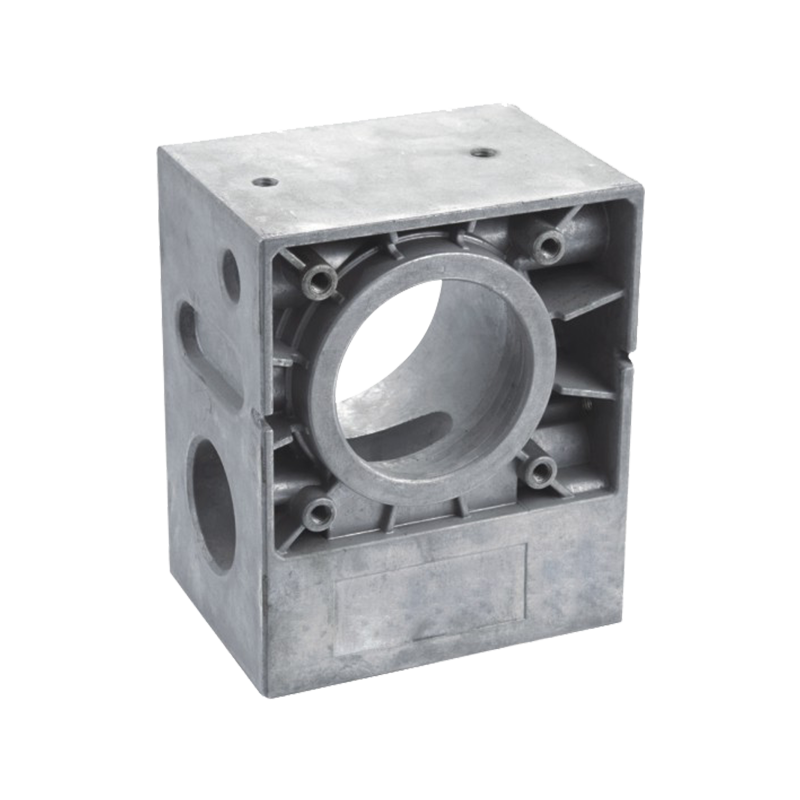
Large structural castings — often called gigacastings — replace assemblies of stamped steel parts with a single aluminum part. This trend gets the headlines, and it is real. But it matters mostly for high-volume OEMs that can amortize very expensive tooling and 6,000-ton-plus machines. For the broader supply chain, the practical takeaway is different: the quality bar for conventional high-pressure die casting is rising. Buyers of motor housings, gearbox casings, and LED housings now expect near-zero porosity and statistically controlled dimensions, because downstream automation will not tolerate drift.
Secondary aluminum now supplies a major share of casting alloy, and 2026 buyers increasingly ask about recycled content and carbon footprint. The practical implication: recycled material must be managed tightly. Scrap quality, melt loss, and composition control all affect final mechanical properties. A reliable partner documents alloy chemistry and mechanical test results rather than treating recycling as a marketing label.
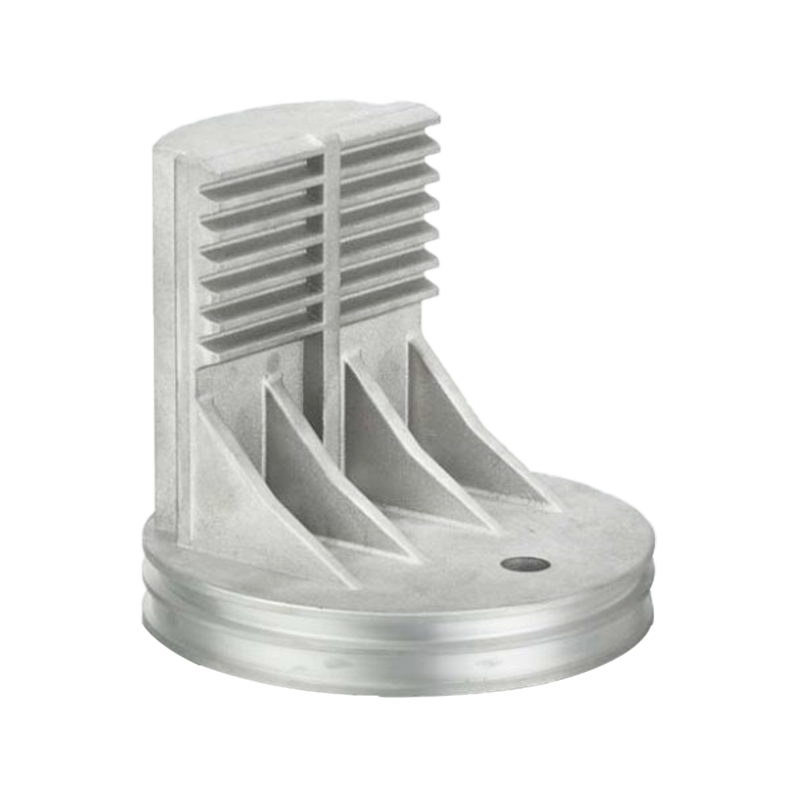
CAD/CAM/CAE mold filling and thermal analysis is no longer optional for complex parts. Simulation finds porosity risks before steel is cut, which shortens development time and reduces tooling revisions. Shops that combine in-house mold design, simulation, and high-pressure die casting deliver prototypes faster and scale to production with fewer surprises.
Asia Pacific remains the production and demand center of aluminum die casting, accounting for roughly half of the global market. China alone operates the largest installed base of die casting machines, and the surrounding supply chain — mold makers, alloy producers, and equipment builders — is concentrated in clusters such as Ningbo. Europe and North America are not shrinking. They are retooling around NEV platforms and reshoring critical components, which keeps demand strong for high-precision castings.
For buyers, the regional split matters less than the supplier's export discipline. A foundry near a major port with proven experience shipping to North America and Europe can serve global projects without the overhead of a local plant.
Approximate regional share of aluminum die casting demand, 2026
Illustrative figures compiled from public market research estimates.
Aluminum alloy prices follow the London Metal Exchange, and 2026 is not a low-volatility year. Energy costs, trade policy, and secondary supply swings move ingot prices by wide margins within a quarter. Most serious die casters index alloy surcharges to published market prices rather than guessing. A quote that locks alloy cost for a year will come back as a change order or a supplier with thin margins — neither is a good outcome for a long project.
The alloy determines not just strength and thermal conductivity, but also castability, pressure tightness, machinability, and finishing cost. Choosing the cheapest alloy can push cost into machining or reject rates. The table below maps common alloy groups to typical use cases.
| Alloy group | Typical applications | Key characteristics |
|---|---|---|
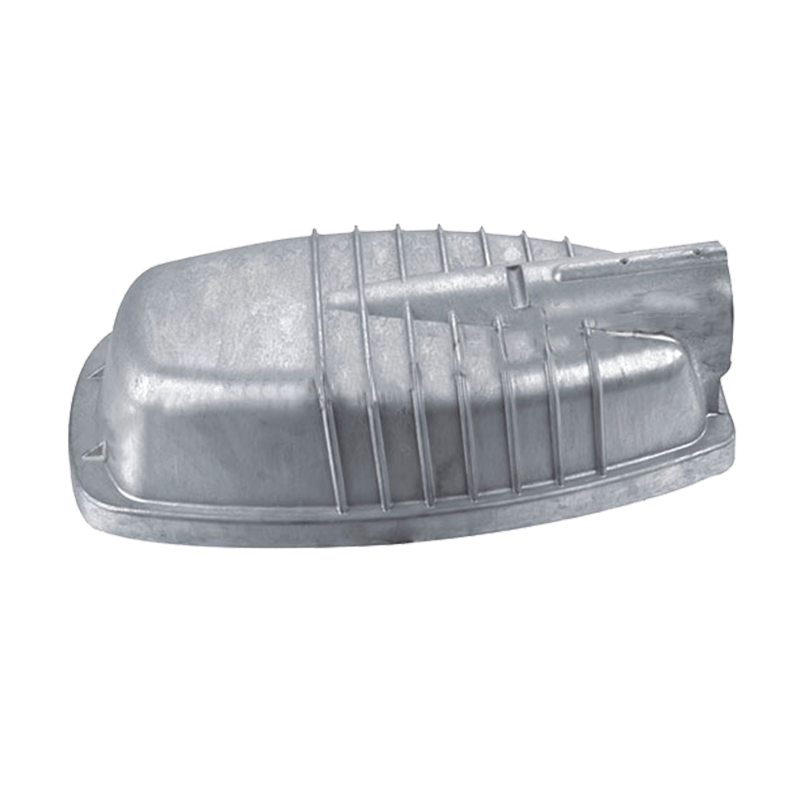
| A380 / ADC12 | Motor housings, control boxes, LED housings | General purpose, good fluidity, good strength |
| A383 | Thin-wall electronics, heat sinks | Better die life at high casting temperatures |
| A356 | Structural parts, heat-treated components | Excellent ductility after T6 heat treatment |
| A413 | Sealed housings, hydraulic components | Excellent pressure tightness and corrosion resistance |
A low-priced mold usually produces defects: soldering, porosity, sticking, and inconsistent fill. When buyers compare quotes, the real comparison is total cost across tooling, sampling, rework, and production yield. The cheapest initial quote rarely wins once those costs are added. Reviewing how die casting compares with sand casting and investment casting can clarify why the process choice matters so much for both cost and quality.
The market trends above point to one conclusion: the supplier that controls tooling, process, and finishing delivers the most predictable total cost. Here is a practical checklist for evaluating a die casting partner.
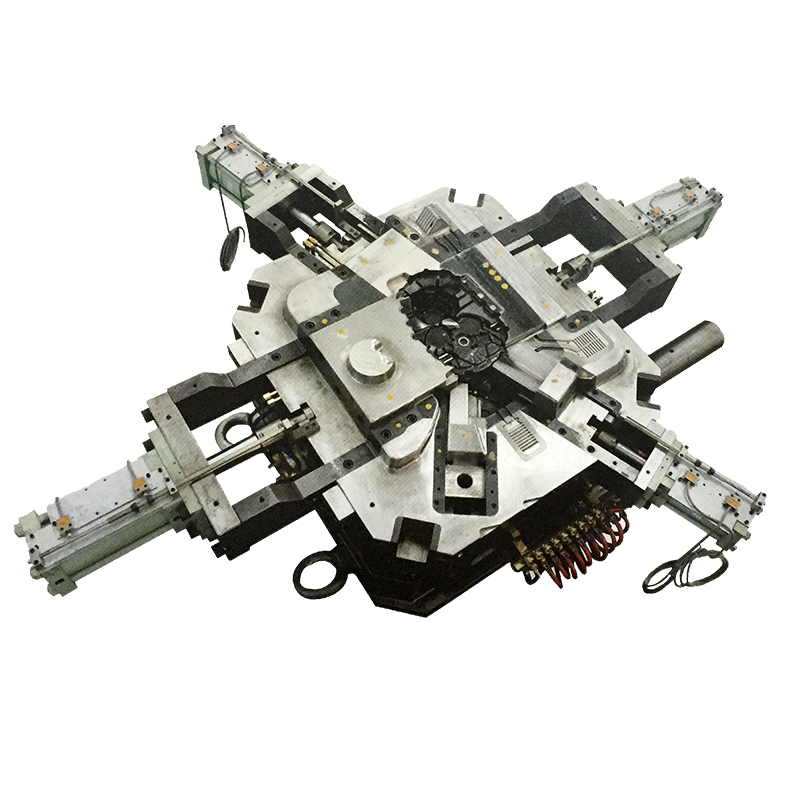
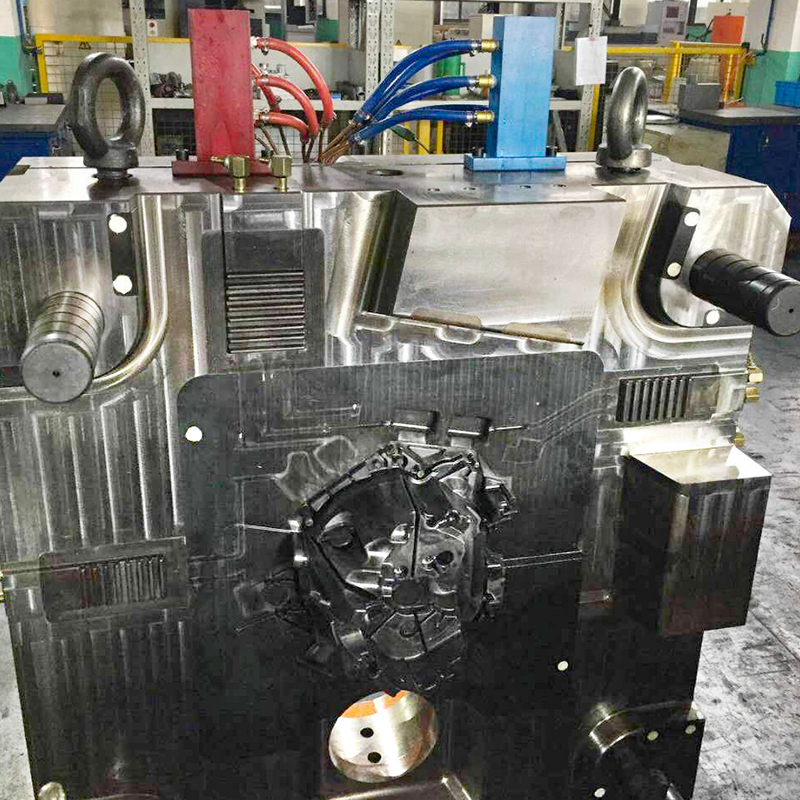 Aluminum Die Casting Molds Customized High-pressure- Ningbo Jieda Molding & MachView Product → are the foundation of repeatable quality.
Ningbo Jieda Molding & Machine Co., Ltd. has operated since 1987 in the Ningbo die casting cluster, builds its molds in-house, and runs the chain from design to CNC machining and surface treatment. That combination is exactly what the 2026 market rewards: fewer handoffs, shorter development cycles, and costs that do not hide until serial production.
Published estimates for 2026 range from about USD 27 billion for a narrowly defined market to USD 89–93 billion for a broader scope that includes tooling and related services. Most forecasts expect a 6% to 8% compound annual growth rate through the early 2030s.
Research firms draw different boundaries. Some count only purchased castings; others include in-house foundry production, tooling, machining, and surface treatment. Compare the scope before using the numbers in a business case.
Electric vehicle battery enclosures, drive motor housings, and large structural castings are growing fastest. Industrial gearbox housings, valve bodies, and LED lighting castings remain stable, high-volume segments.
For most projects, yes. In-house mold making shortens development time, simplifies root-cause analysis when defects occur, and keeps tooling ownership clear. The trade-off is choosing a partner with enough mold engineering depth to support your part from drawing to serial production.
ARE YOU READY TO COOPERATE WITH jieda?
* Your email is safe with us, we don’t spam.

PRODUCTS
CONTACT INFO
nbjd011@126.com
+86-574-86115705
No. 58 Mould Road, Daqi Technology Industrial Zone, Beilun District, Ningbo

 English
 Español
 italiano