Content
A die casting manufacturer is the right fit for auto parts, motor housings, gearbox housings, pistons, valves, LED street light housings or new energy automobile parts only when four conditions line up at the same time: the material and process match the load the part carries, whether that means aluminum die casting or a zinc die casting mould; the press tonnage covers the projected shot area; the plant holds a verifiable quality system such as IATF16949; and mold design, CNC machining and surface finishing are handled in-house rather than split across several subcontractors. Skipping any one of these checks is the single most common reason import buyers end up with porosity, warped housings or missed shipment dates.
Aluminum die casting and a zinc die casting mould solve different mechanical problems, and settling this before tooling starts avoids an expensive redesign later. Aluminum alloys such as ADC12 and A380 deliver a tensile strength of roughly 290 to 330 MPa at about one third the density of zinc, which is why they dominate auto parts, motor parts, gearbox housings and new energy automobile parts where weight reduction is the priority. Zinc alloys such as Zamak 3 hold tighter dimensional tolerances, often within 0.05 mm, and support thinner, more intricate wall sections, which is why they remain the standard choice for small brackets, connector housings and precision valve components.
| Property | Aluminum Die Casting | Zinc Die Casting Mould |
|---|---|---|
| Typical tensile strength | 290 to 330 MPa (ADC12 / A380) | 280 to 330 MPa (Zamak 3 / 5) |
| Density | about 2.7 g/cm3 | about 6.6 g/cm3 |
| Minimum practical wall thickness | about 1.5 mm | about 0.5 mm |
| Dimensional tolerance | plus or minus 0.1 to 0.2 mm | plus or minus 0.03 to 0.05 mm |
| Typical parts | motor housings, gearbox housings, control box housings, new energy automobile parts | luggage rack brackets, small valve bodies, connector housings |
Press tonnage has to cover the projected area of the part multiplied by internal cavity pressure, and an undersized press is the leading cause of flash and short shots. A die casting manufacturer running presses from 200 tons up to 1600 tons can carry a program from a small valve body all the way to a large new energy automobile battery housing without switching plants mid-project.
Certificates only matter if they translate into fewer defective parts reaching your line. IATF16949 requires documented process control at each die casting station, and ISO14001 confirms that furnace and surface-treatment operations meet environmental discharge standards. Both are worth requesting before committing to a new die casting manufacturer for auto parts or motor parts programs.
Illustrative distribution of common die casting defect sources before process control measures such as vacuum-assist filling, mold temperature control and real-time shot monitoring are applied.
Each product line places a different demand on the casting process, and a die casting manufacturer serving multiple industries needs process parameters that flex from thin-wall lighting housings to pressure-tight valve bodies.
Key requirement: heat dissipation and weatherproof sealing. Wall thickness: 2.0 to 3.5 mm ribbed heat-sink walls. Critical control: thermal conductivity and coating adhesion.
Key requirement: dimensional tolerance and sealing surface finish. Wall thickness: 1.5 to 4 mm. Critical control: roundness and post-machining surface roughness.
Key requirement: sealing, EMI shielding, structural strength for battery and control box housings. Wall thickness: 2.5 to 5 mm. Critical control: leak testing and flatness for gasket sealing.
Key requirement: dimensional stability under load and bearing bore accuracy. Wall thickness: 3 to 6 mm. Critical control: bore concentricity after CNC finishing.
Key requirement: thermal conductivity and precision bore for bearing fit. Wall thickness: 2 to 4 mm. Critical control: bore roundness and housing concentricity.
Key requirement: pressure tightness with zero porosity on sealing surfaces. Wall thickness: 2 to 5 mm. Critical control: full leak test at rated pressure.
Key requirement: corrosion resistance and gasket sealing surface flatness. Wall thickness: 2 to 4 mm. Critical control: flatness tolerance and consistent surface treatment across production batches.
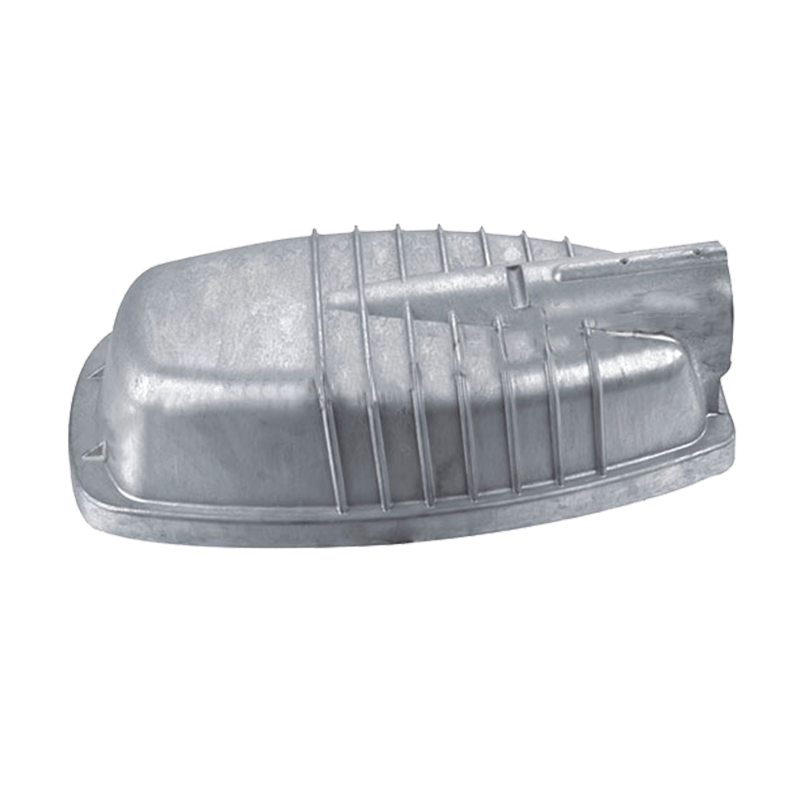
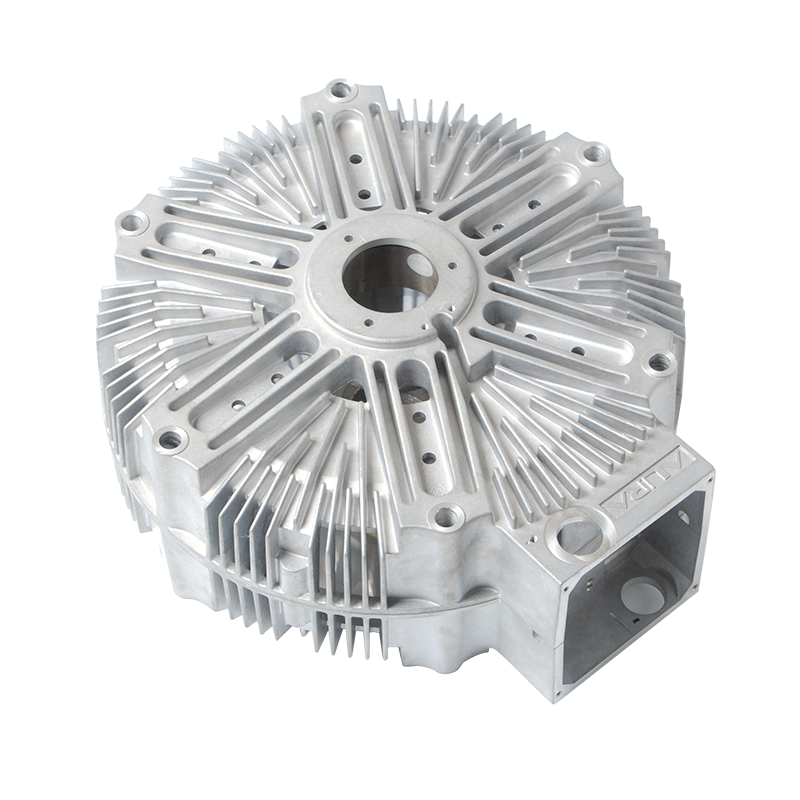
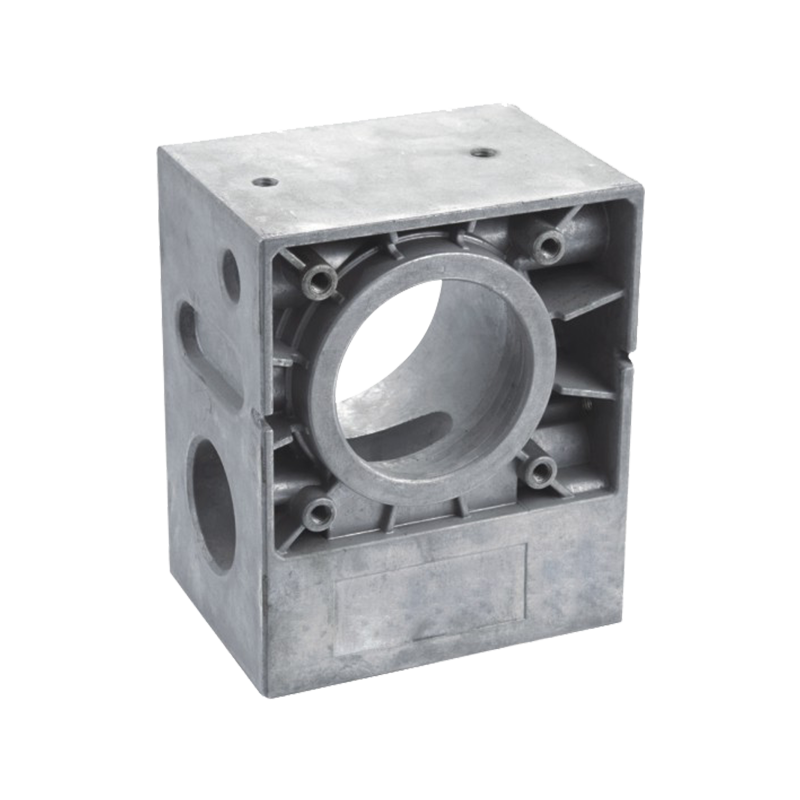
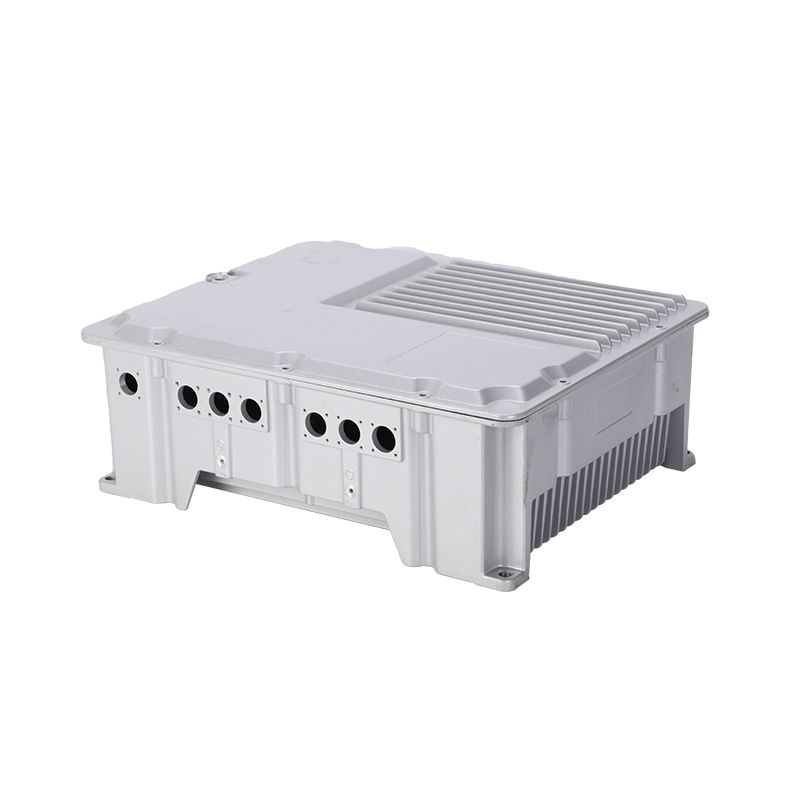
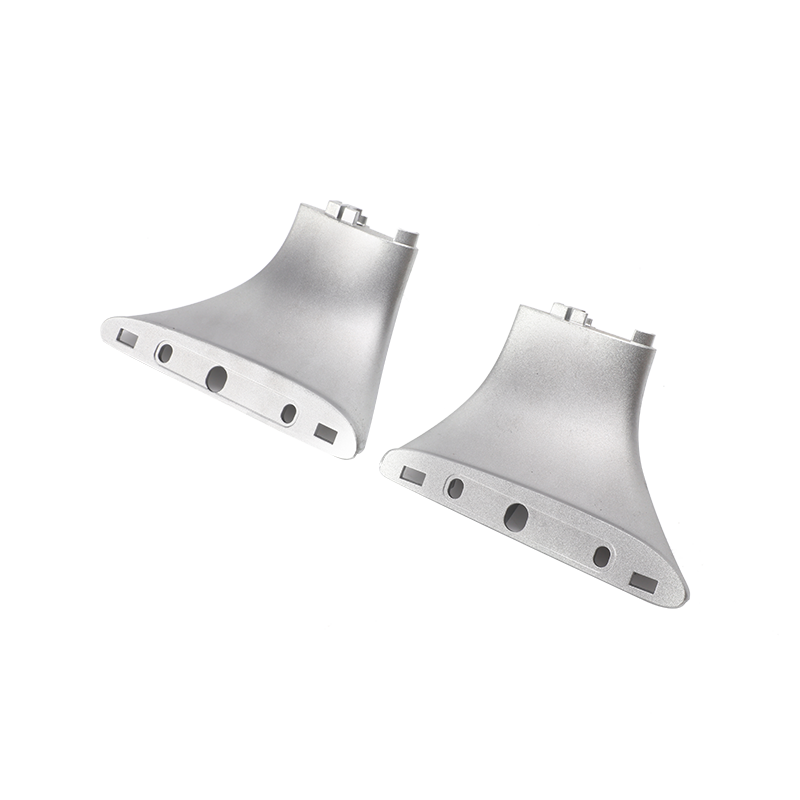
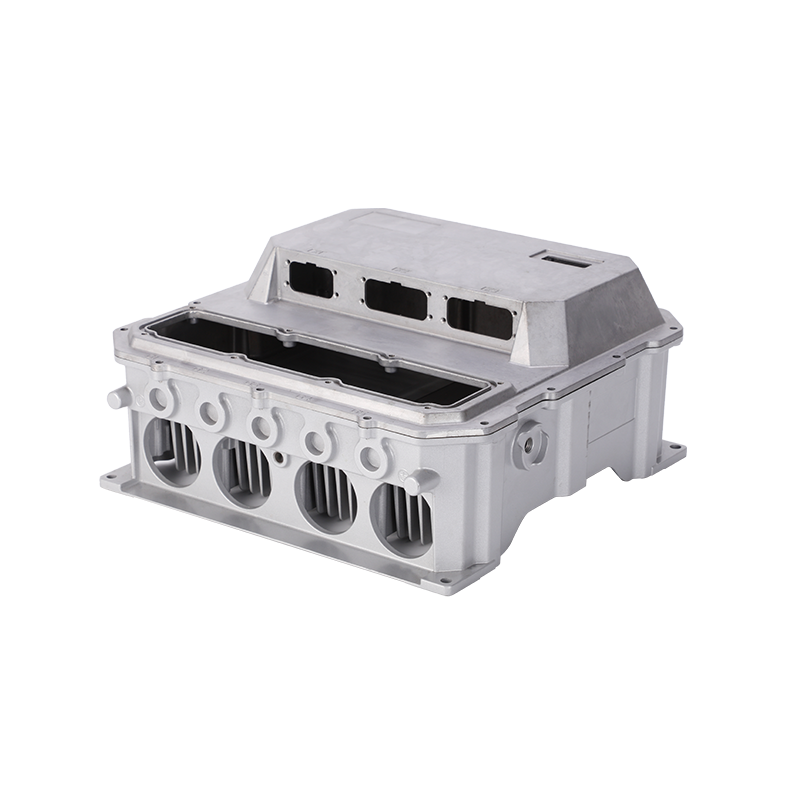
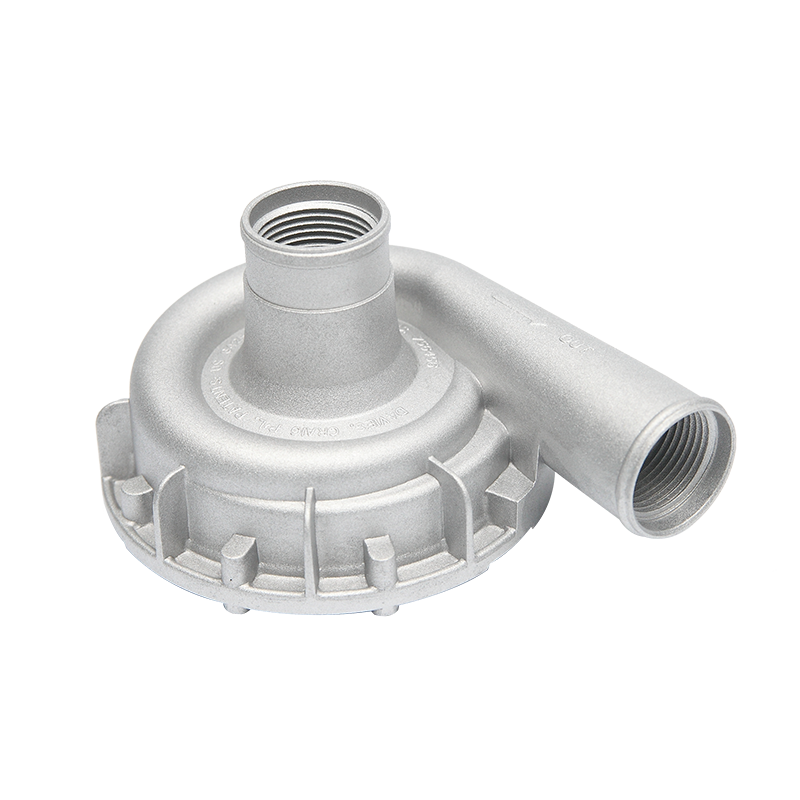
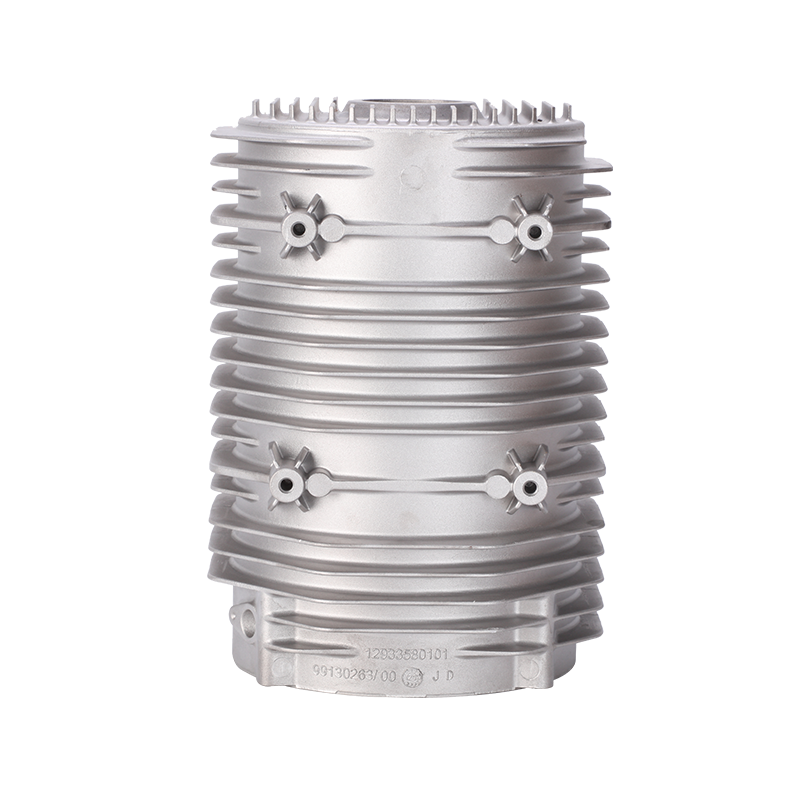
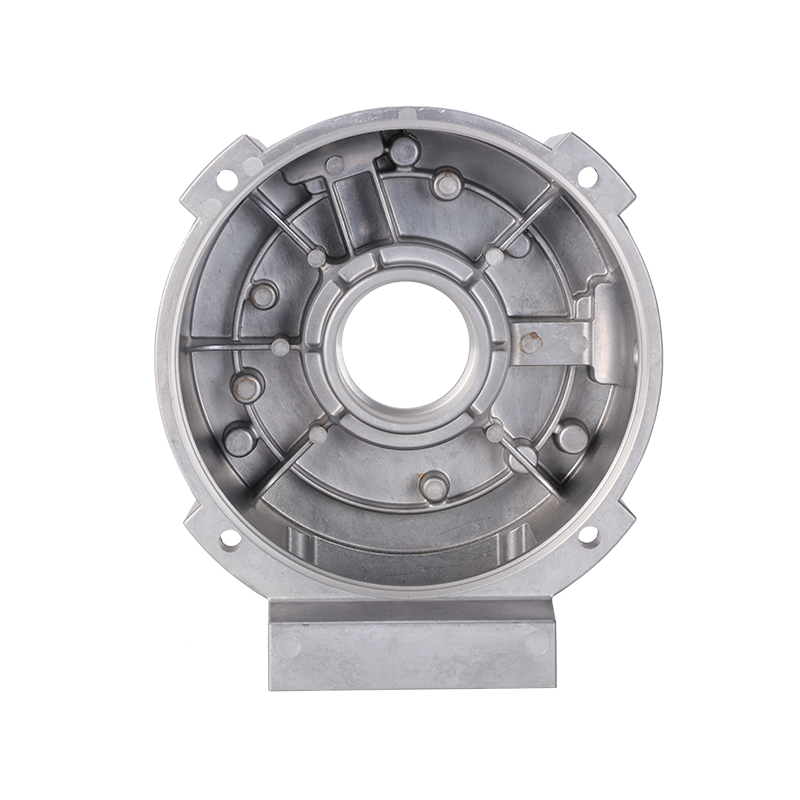
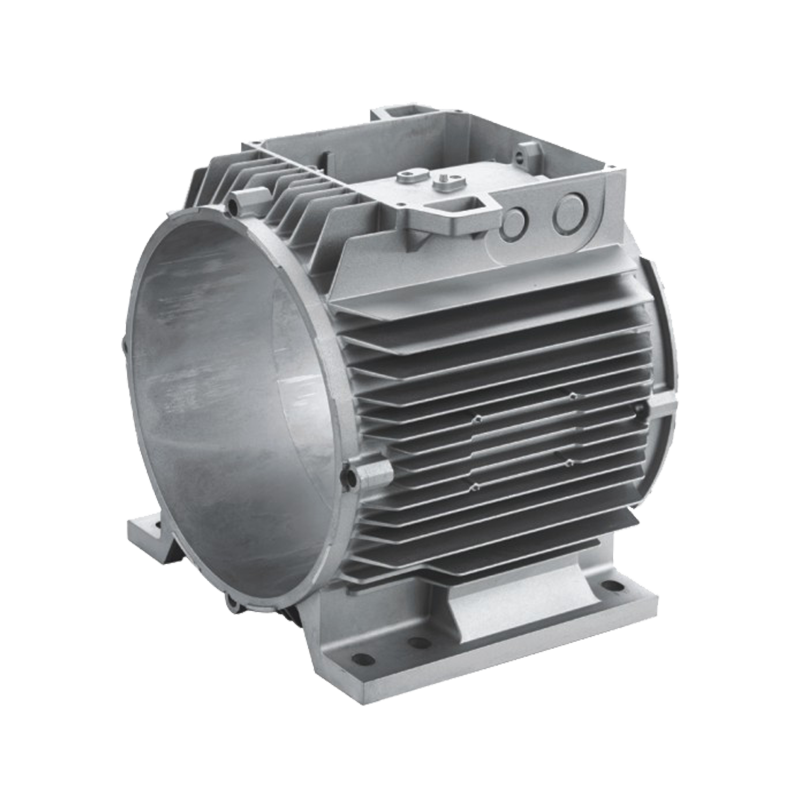
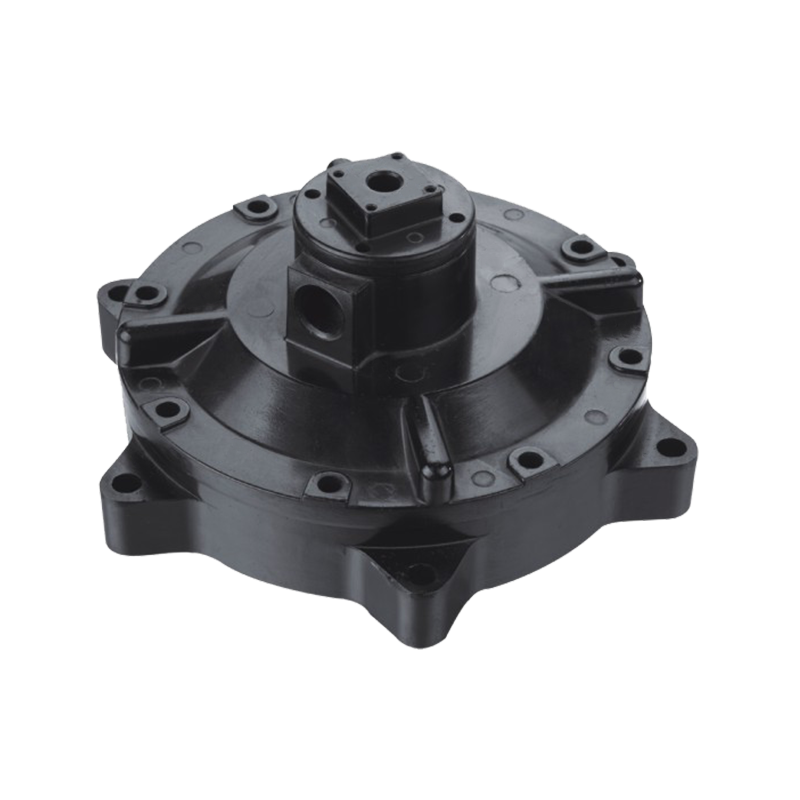
A sample of the aluminum die casting and zinc die casting mould product families produced across our tonnage range, covering auto parts, new energy automobile parts, gearbox housings, motor parts, valves and LED street light housings.
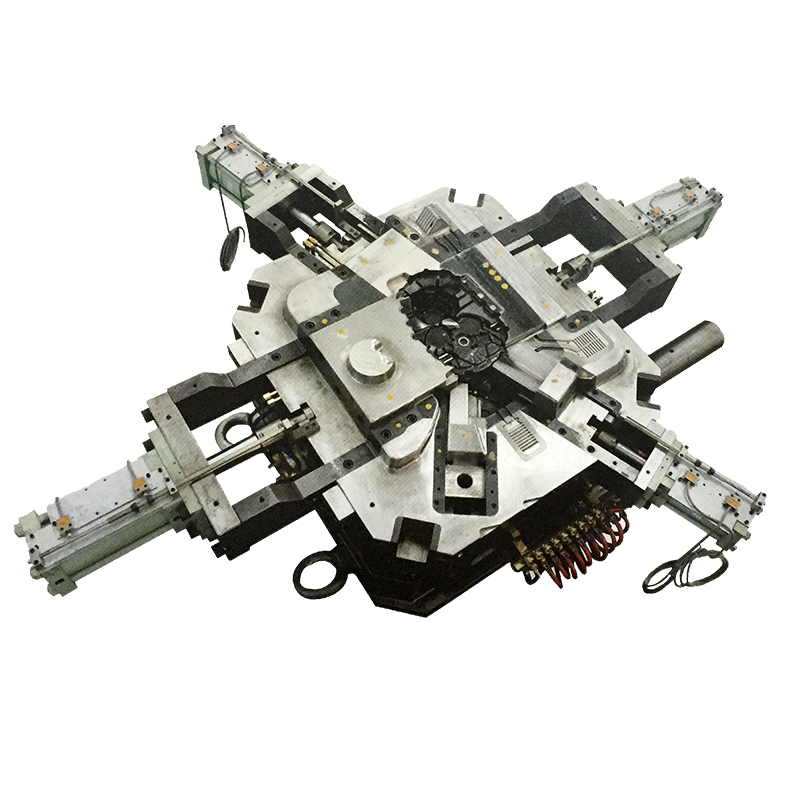
Consolidating mold design, trial sampling and mold modification inside a single die casting manufacturer's facility removes the shipping and communication delay that occurs when tooling and casting sit with two separate vendors. The gap widens at every stage of the process.
Ask for the IATF16949 or ISO9001 certificate number and verify it independently.
Request the full tonnage list of the shop floor, not just the largest press.
Confirm whether mold design, CNC machining and surface finishing are performed in-house.
Ask for a first-article inspection report with dimensional data, not only a photo.
Confirm leak-test or pressure-test procedures for valves and sealed housings.
Clarify alloy traceability for both aluminum die casting and zinc die casting mould orders.
Review sample lead time and mass production lead time as two separate figures.
ARE YOU READY TO COOPERATE WITH jieda?
* Your email is safe with us, we don’t spam.

PRODUCTS
CONTACT INFO
nbjd011@126.com
+86-574-86115705
No. 58 Mould Road, Daqi Technology Industrial Zone, Beilun District, Ningbo

 English
 Español
 italiano