Content
A reliable motor parts manufacturer in China can be identified through four checkable facts: a valid IATF16949 or ISO9001 certificate, in-house die casting equipment covering multiple tonnage ranges, documented aluminum alloy purity control, and a factory address you can independently verify. If a supplier cannot show all four, treat the quote with caution regardless of price. The sections below explain what each of these checks actually means in practice, with real production data you can use as a comparison benchmark.
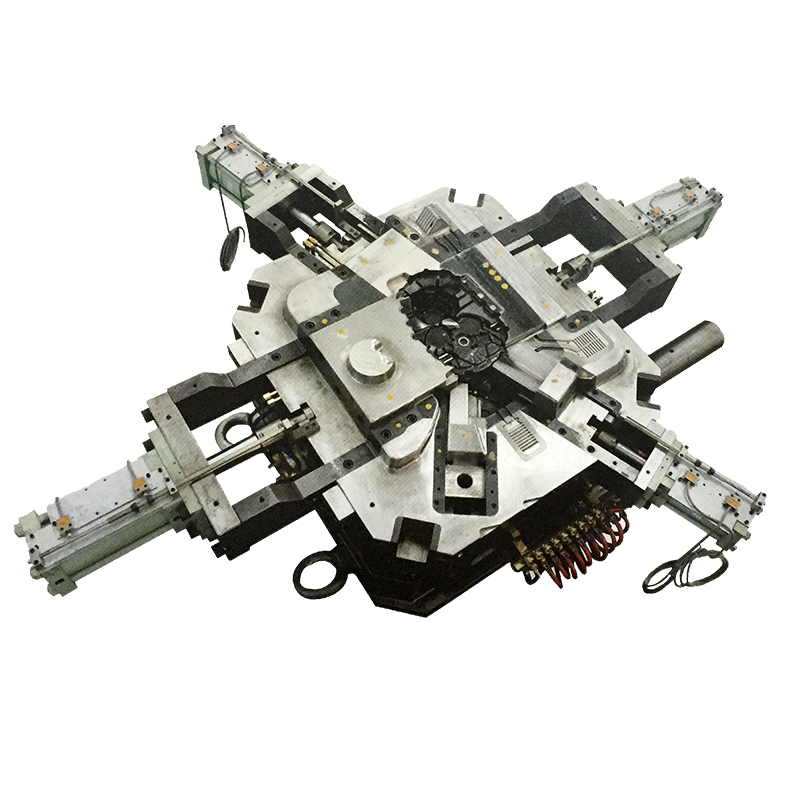
Many companies listed online as a "motor parts manufacturer" are in fact trading agents who outsource production to a third factory. This matters because quality consistency, tooling ownership, and lead time control all depend on who physically runs the die casting machines. A genuine manufacturer, such as Ningbo Jieda Molding & Machine Co., Ltd, owns its own mold shop and casting floor rather than subcontracting the work.
Jieda was founded in 1987 and operates from an 8,000 square meter site in Beilun, Ningbo, an area known locally as the hub of China's die casting mould industry. The company runs more than 130 staff, including roughly 28 dedicated design and R&D engineers, and holds IATF16949 and ISO14001 certification. These figures are useful as a reference point: a factory of this scale is large enough to run stable production schedules but still small enough to take on custom tooling projects for mid-size buyers.
Certification alone does not guarantee quality, but its absence is a fast disqualifier. When reviewing a die casting manufacturer, ask for the certificate number and check it against the issuing body's database rather than trusting a logo on a website.
| Certification | What It Confirms | Why It Matters for Motor Parts |
| IATF16949 | Automotive-grade quality management system | Required baseline for auto parts and new energy automobile parts programs |
| ISO14001 | Environmental management compliance | Relevant for export orders where buyers audit supply chain compliance |
| High-Tech Enterprise Certificate | Government recognition of R&D investment | Indicates in-house tooling design capability, not just casting execution |
Tonnage range is one of the clearest indicators of what a factory can physically produce. A gearbox housing or a large electric motor housing stator frame typically needs a mid-to-large tonnage machine, while smaller valves or end caps can run on lighter equipment. Jieda's floor includes Hong Kong Lijin automatic die casting machines across six tonnage classes, supported by more than 80 pieces of precision equipment such as CNC machining centers, CNC EDM, and wire cutting machines.
| Machine Tonnage | Typical Application |
| 1600T / 800T | Large gearbox housing, motor housing stator frame |
| 500T / 400T | Motor end shields, pistons, mid-size zinc die casting mould output |
| 280T / 200T | Valves, LED street light housings, smaller aluminum die casting parts |
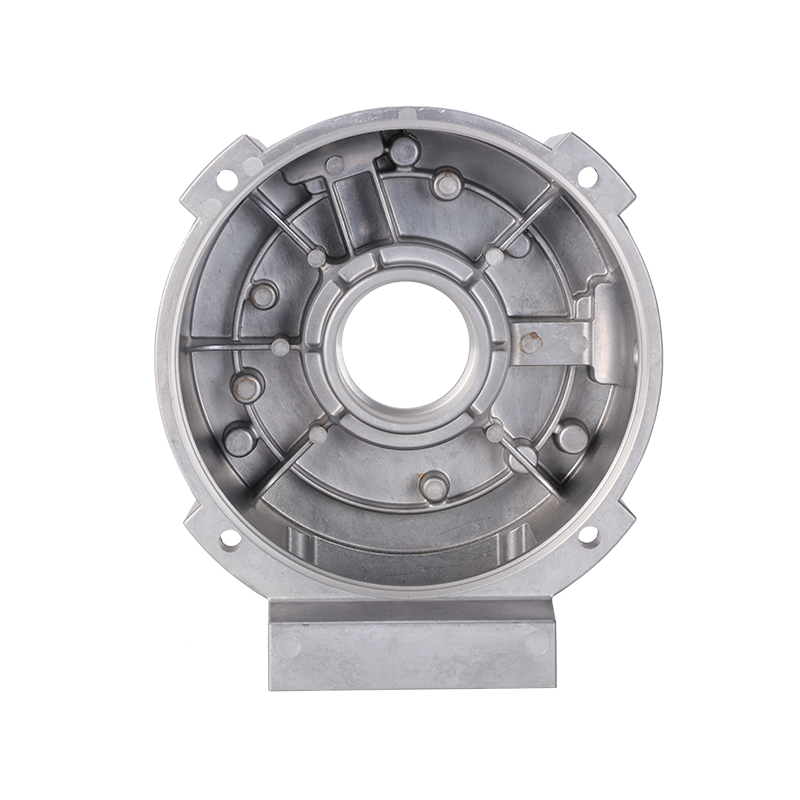
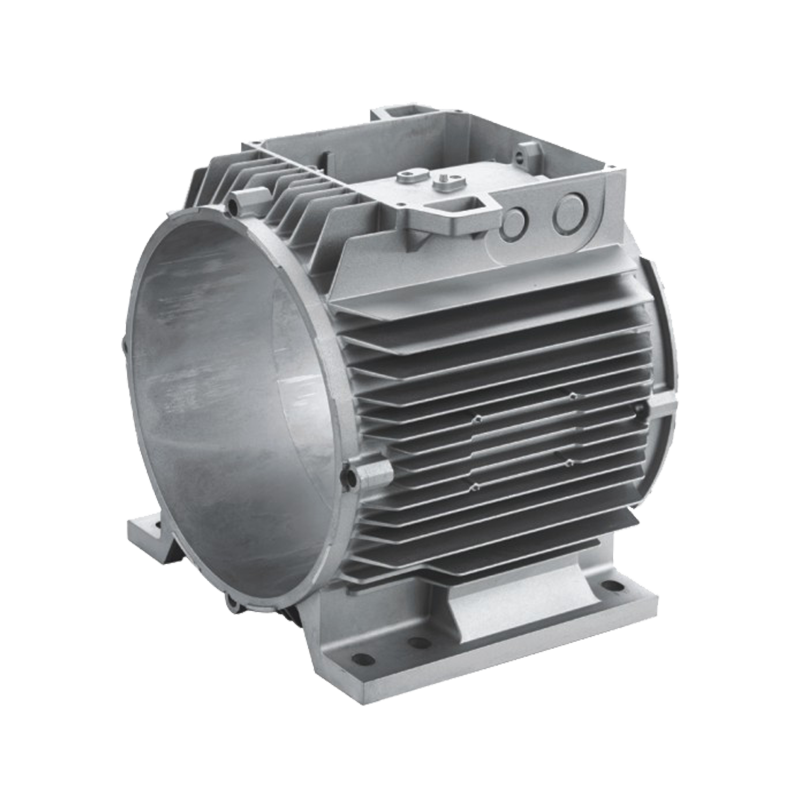
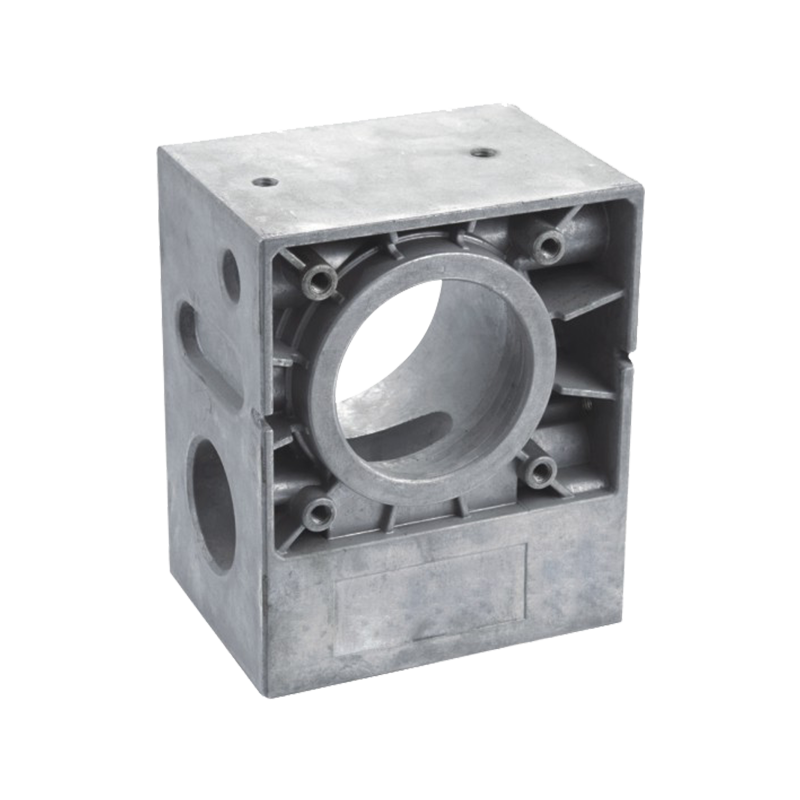
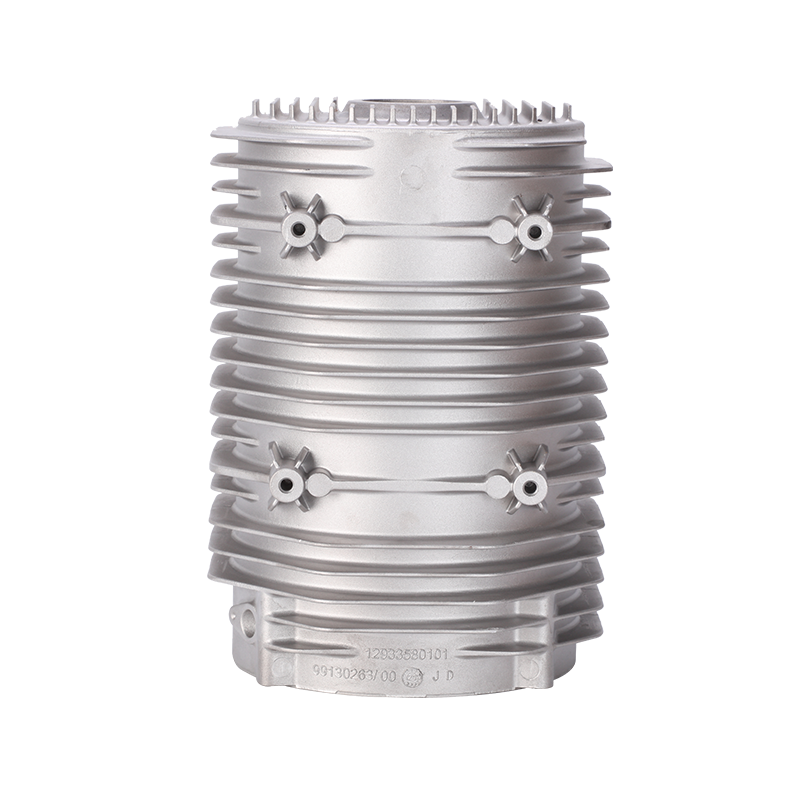
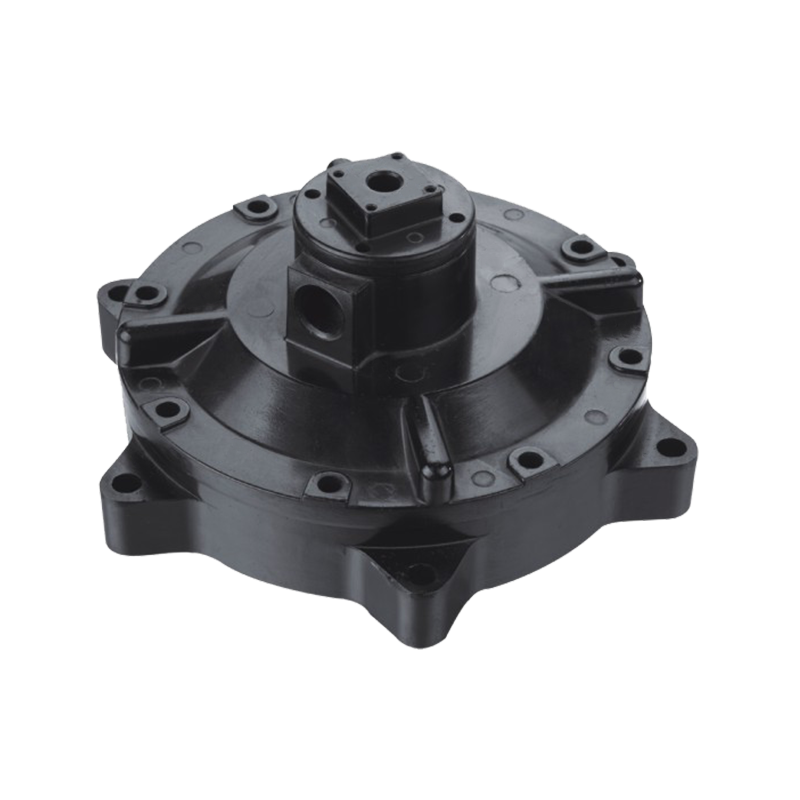
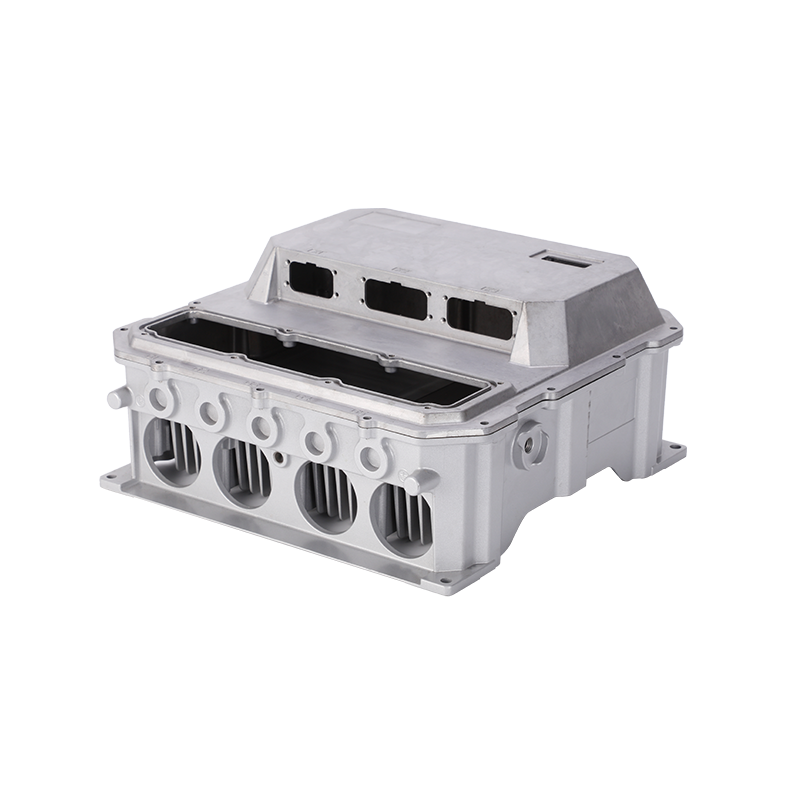
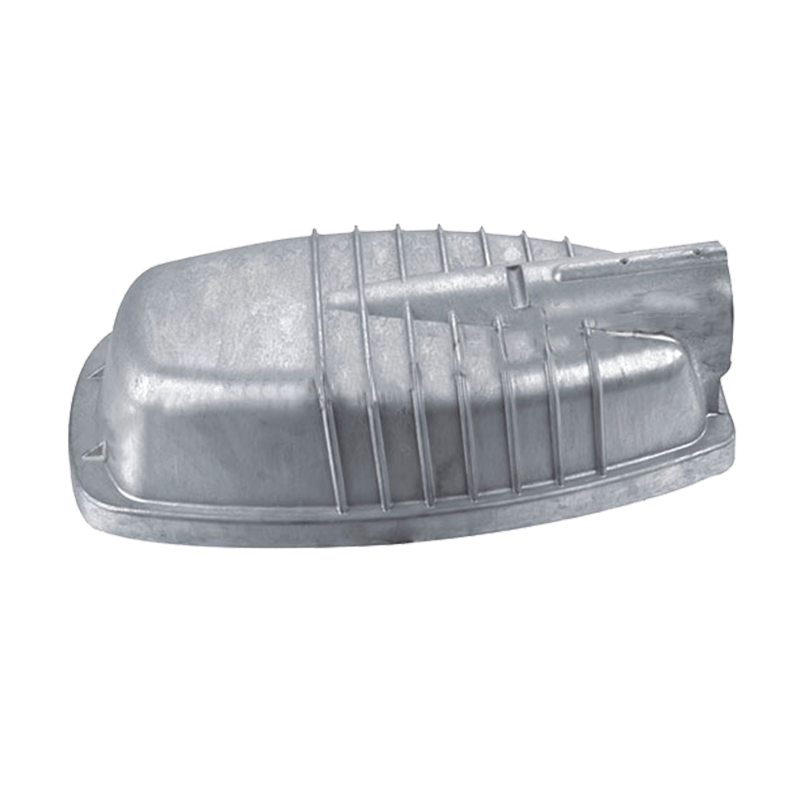
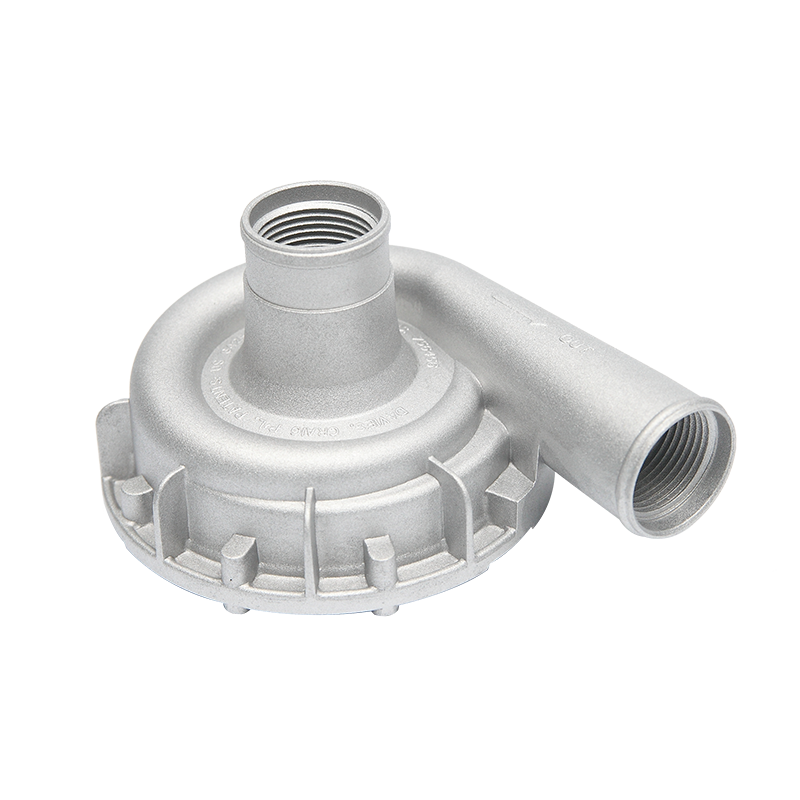
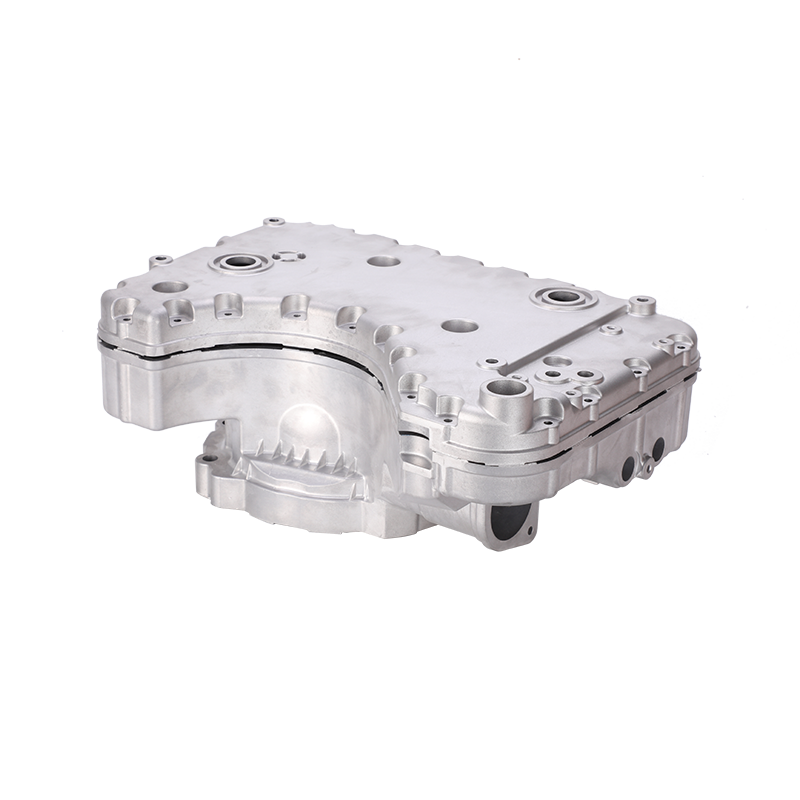
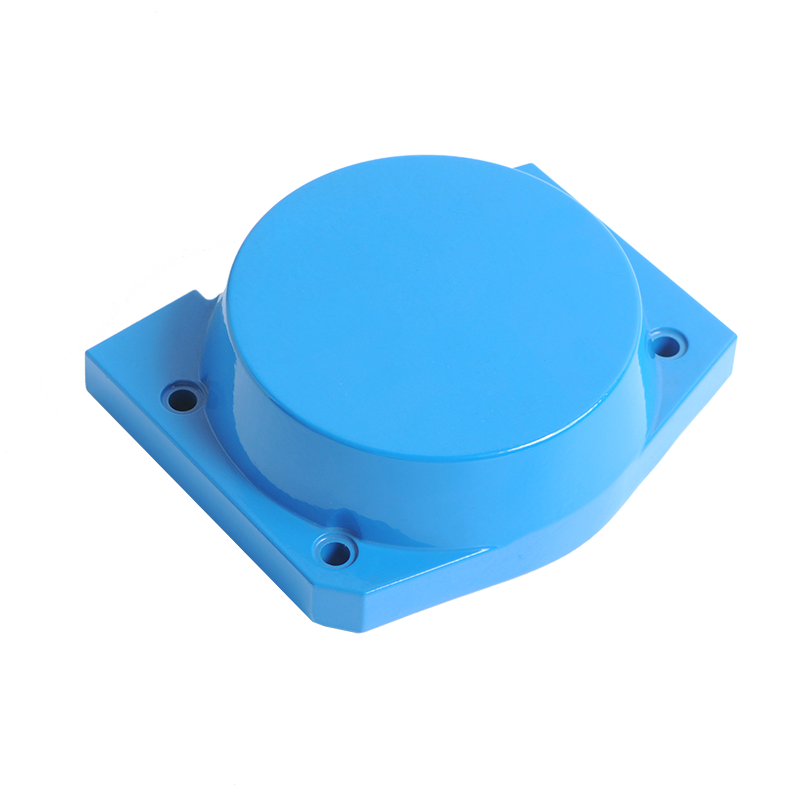
Reviewing a supplier's product catalog under real order codes, rather than a generic photo gallery, is one of the fastest ways to confirm they run their own tooling. The examples below are current production items pulled directly from Jieda's motor, gearbox, and valve lines.
A snapshot of aluminum die casting output across motor, gearbox, and valve applications, each traceable to a live product page.
Porosity, sticking, slag inclusion, and surface collapse in a finished motor part almost always trace back to inconsistent aluminum ingot quality, not the casting machine itself. A supplier worth working with will state a maximum allowable heavy metal content for incoming aluminum ingots and reject batches that exceed it, rather than accepting whatever is cheapest that week. Ask any prospective factory for their incoming material inspection record, not just their finished part inspection report.
The same discipline applies to mold steel. Long-life tooling depends on imported mold steel grades and correct heat treatment; using lower-grade steel to cut cost on the mold will show up later as dimensional drift after a few thousand shots, which is a hidden cost buyers rarely trace back to the source.
A factory that only produces one type of part is more exposed to demand swings and less likely to have cross-trained engineers. Broader capability across related categories is a reasonable proxy for process maturity.
A few patterns tend to predict problems before the first shipment even arrives. None of them is disqualifying on its own, but two or more together is a reasonable reason to request a factory audit before placing a deposit.
| Item to Verify | How to Confirm It |
| Factory ownership | Request business license and cross-check registered address |
| Equipment list | Ask for tonnage range and machine brand, then request a live video tour |
| Quality certificates | Match certificate numbers against the issuing authority's public registry |
| Sample parts | Request a first article sample before committing to full production |
| Export history | Ask which countries they currently ship to and for how long |
Suppliers that have run continuous operations for decades, such as Jieda since 1987, tend to have export experience already tested across multiple markets, including the United States, Germany, Italy, Britain, France, Poland, Finland, India, and Australia. That track record is not a guarantee of quality on every order, but it does mean the documentation, communication, and packaging standards have already been stress-tested against demanding overseas customers, which shortens the learning curve for a new buyer.
The most efficient way to shortlist a motor parts manufacturer is to combine the checklist above with a direct request for a first article sample against your own drawing. A factory that hesitates at that request, rather than at the price negotiation, is telling you something worth listening to.
ARE YOU READY TO COOPERATE WITH jieda?
* Your email is safe with us, we don’t spam.

PRODUCTS
CONTACT INFO
nbjd011@126.com
+86-574-86115705
No. 58 Mould Road, Daqi Technology Industrial Zone, Beilun District, Ningbo

 English
 Español
 italiano