Content
Two buyers send the same gearbox-housing drawing to two die casting suppliers and get back quotes specifying different alloys: one A380, the other ADC12. Both parts pass every mechanical and leak test. That common situation points straight to the answer most sourcing teams need: A380 and ADC12 are near-equivalent, general-purpose workhorse alloys for high-pressure die casting, with ADC12 favored for thin and intricate geometry, while A360 is the specialist choice when corrosion resistance, pressure tightness, or an anodized finish matters more than maximum fluidity. The comparison below walks through composition, properties, casting behavior, finishing and application matching, so the alloy named on your next drawing can be justified line by line instead of copied from the last project.
All three are silicon-rich casting alloys engineered for high-pressure die casting, where molten metal is injected into a steel die within milliseconds. They differ first in the standards that define them.
Keep one point in mind before comparing numbers: these compositions are designed for injection into steel dies under high pressure, not for gravity or sand casting, where different alloy families and different defect risks apply.
The entire A380 vs ADC12 vs A360 debate comes down to two elements: silicon and copper. The rest of the chemistry follows from them.
| Element | A380 (ASTM) | ADC12 (JIS) | A360 (ASTM) |
|---|---|---|---|
| Silicon | 7.5–9.5% | 9.6–12.0% | 9.0–10.0% |
| Copper | 3.0–4.0% | 1.5–3.5% | ≤0.6% |
| Iron | ≤1.3% | ≤1.3% | ≤1.3% |
| Zinc | ≤3.0% | ≤1.0% | ≤0.5% |
| Magnesium | ≤0.10% | ≤0.3% | ≤0.05% |
| Manganese | ≤0.50% | ≤0.5% | ≤0.35% |
Silicon lowers the melting point and sharpens fluidity, which is why every die casting alloy is built around it. Copper raises strength and hardness and helps machinability, but it also accelerates corrosion and spoils decorative anodizing. A360's near-zero copper ceiling is the single most consequential difference among the three grades, while ADC12's silicon — which may reach 12% — explains its reputation for filling thin ribs and fine detail.
Silicon (typical mid-range)Copper (spec maximum)
Silicon is shown at the midpoint of its specification range; copper at its specification maximum.
Typical mid-range composition of ADC12 (JIS H5302); confirmed chemistry always follows the mill certificate.
On a data sheet the three alloys look like close cousins. In production and in service, the small differences compound.
| Property | A380 | ADC12 | A360 |
|---|---|---|---|
| Tensile strength | ≈330 MPa | ≈310 MPa | ≈320 MPa |
| Yield strength | ≈165 MPa | ≈150 MPa | ≈170 MPa |
| Elongation | ≈3.5% | ≈3.5% | 3.5–5% |
| Hardness (Brinell) | ≈80 | ≈85 | 75–85 |
| Density | 2.74 g/cm³ | ≈2.70 g/cm³ | 2.63 g/cm³ |
| Solidus–liquidus range | 538–593°C | 520–580°C | 557–596°C |
| Thermal conductivity | ≈96 W/m·K | ≈96 W/m·K | ≈113 W/m·K |
Two figures deserve attention. A360 is about 4% lighter than A380 and conducts heat noticeably better, a genuine advantage for LED heat sinks and motor housings. Its solidification range is also the narrowest of the three, which supports leak-tight castings, while ADC12's lower melting start eases the filling of difficult sections.
Solidification ranges in °C: ADC12 melts and flows at the lowest temperatures; A360 freezes across the narrowest interval.
Composition only matters once it reaches the die. In day-to-day casting, the three grades behave like this:
All three are abrasive to tooling. High silicon accelerates wear on dies and on machining inserts, and the copper in A380 raises the risk of die soldering. Careful die casting mold design and a disciplined die maintenance schedule are what keep a long-running tool stable through hundreds of thousands of shots.
Porosity is inherent to high-pressure die casting for all three alloys. For parts that must hold a leak test — oil pans, valve bodies, battery housings — agree on impregnation and test criteria with your supplier before tooling starts, not after the first rejected shipment.
This is where A360 separates itself. Decorative anodizing depends on low copper: A380 with 3.0–4.0% copper and ADC12 with up to 3.5% tend to anodize into gray, mottled, inconsistent films, while A360's 0.6% ceiling produces a far more uniform, lighter finish. Anodized components such as pistons are therefore usually cast in low-copper chemistry.
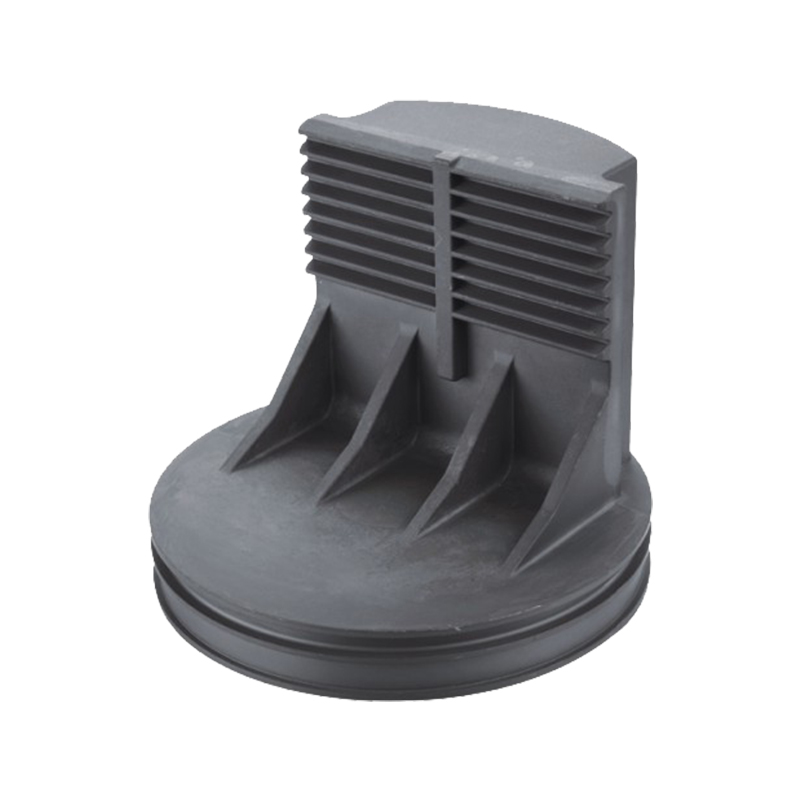 Anodized Aluminum Die Casting PistonsMade from low-copper aluminum alloy such as A360, these die-cast pistons take a uniform anodized finish and offer good thermal conductivity and heat dissipation for engines and industrial compressors, anodizing being the relevant finishing route for low-copper chemistries.View Product →
For powder-coated parts the choice loosens considerably. All three grades accept chromate conversion plus powder coating reliably, which is why most industrial housings, end caps and machine parts are finished this way regardless of whether the melt was A380, ADC12 or A360.
A workable selection sequence for a new part looks like this:
Two examples from our own production floor: control valves handling fluid media are cast in low-copper chemistry and finished with powder coating for corrosion protection, while oil pans with machined sealing surfaces are specified for pressure tightness above everything else.
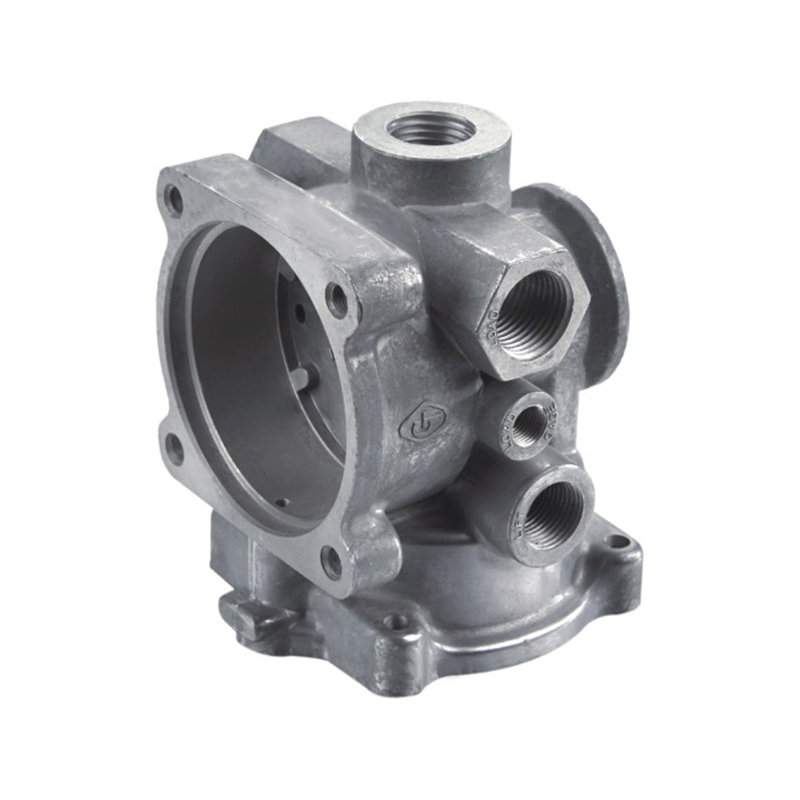 Machined Aluminum Die Casting Control Valve with Powder CoatingCast in low-copper alloy and finished with powder coating for corrosion protection, these control valves regulate flow, pressure, and direction in fluid systems, illustrating how powder-coated housings perform reliably regardless of the specific casting grade used.View Product →
 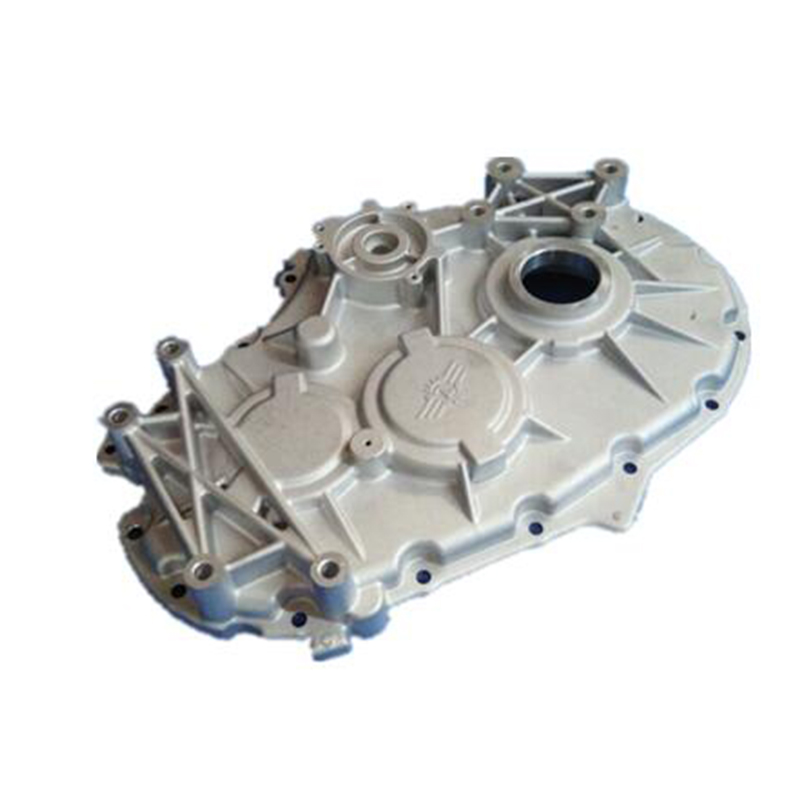 Sealed Die Cast Aluminum Oil Pan for VehiclesWith machined sealing surfaces and strictly controlled porosity through mold design, process control, and X-ray testing, these oil pans prioritize pressure tightness above all, a common requirement when substituting grades like ADC12 and A380.View Product →
No. They serve the same role and are frequently substituted, but their chemistries differ: ADC12 runs 9.6–12.0% silicon and 1.5–3.5% copper against A380's 7.5–9.5% and 3.0–4.0%. Substitution is routine in practice, yet it should be documented on the drawing or approved through first-article inspection rather than assumed.
A360, by a wide margin. Its copper limit of 0.6% allows a consistent, light anodic film. A380 and ADC12 are better suited to conversion coating and powder coating.
Only if your leak-test and corrosion requirements genuinely allow it. ADC12 fills thin sections more easily and is often more available in Asian supply chains, but its higher copper reduces pressure-tightness margins, which can turn savings into leak-test scrap.
A380 and ADC12 price similarly, and regional availability usually decides the winner, while A360 sometimes carries a modest premium. The meaningful cost differences appear in scrap rates, machining tool life and finishing yield, not in the per-kilogram price.
The bottom line: choose A380 for balanced, general-purpose castings, ADC12 for thin and intricate geometry — especially when sourcing from Asia — and A360 when corrosion resistance, sealing or anodizing outrank fluidity. Since 1987, Ningbo Jieda Molding & Machine has designed and built its own die casting molds and produces aluminum die cast parts on presses from 200 to 1600 tonnes under an IATF 16949 quality system, with precision machining, powder coating and anodizing handled in-house. Bring us a drawing or an alloy question, and we will help you match the melt to the part before the first tool is cut.
ARE YOU READY TO COOPERATE WITH jieda?
* Your email is safe with us, we don’t spam.

PRODUCTS
CONTACT INFO
nbjd011@126.com
+86-574-86115705
No. 58 Mould Road, Daqi Technology Industrial Zone, Beilun District, Ningbo

 English
 Español
 italiano