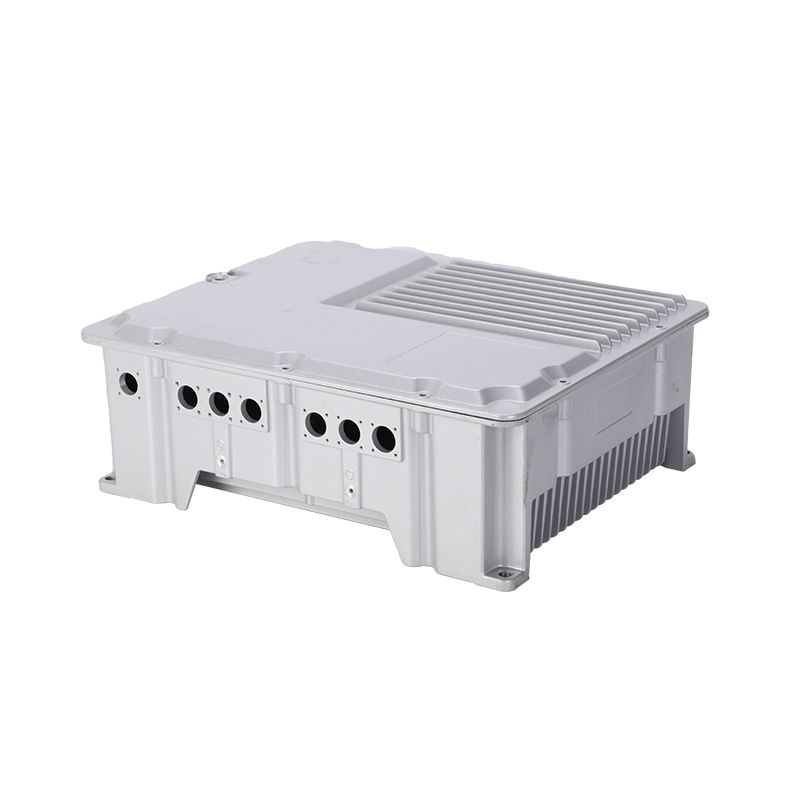
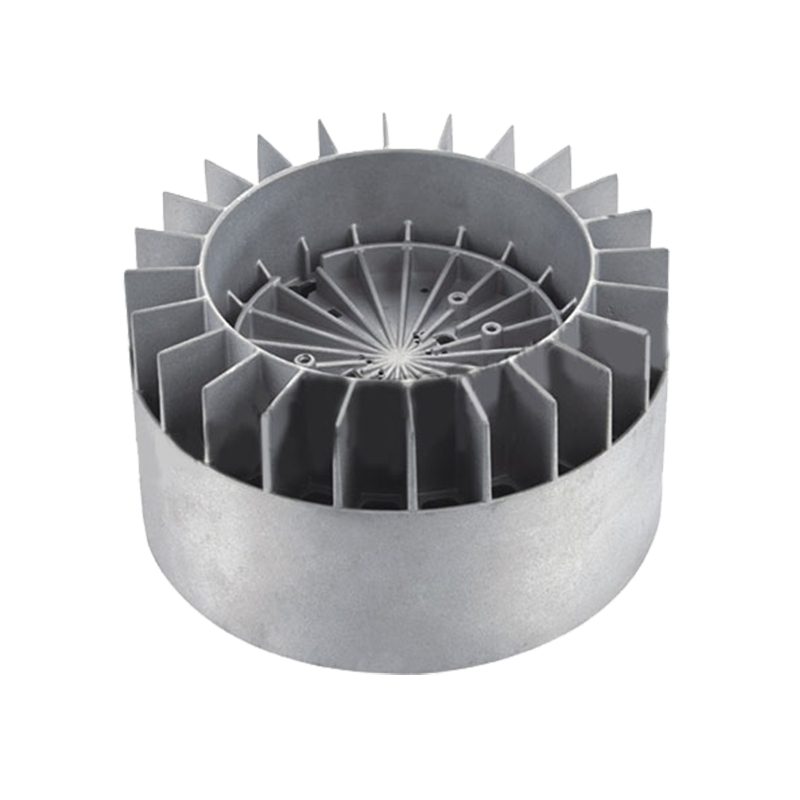
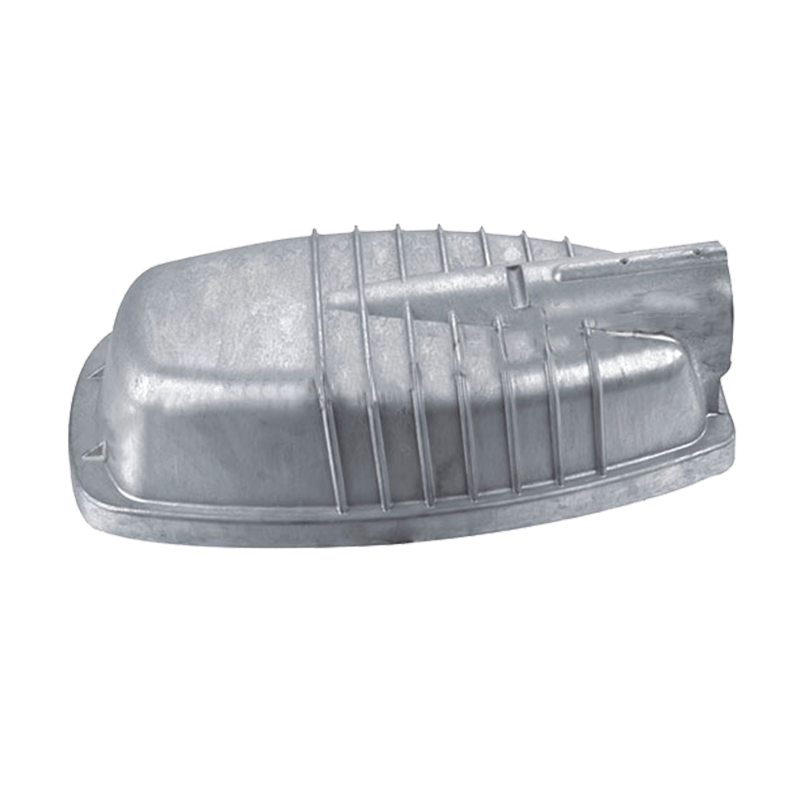
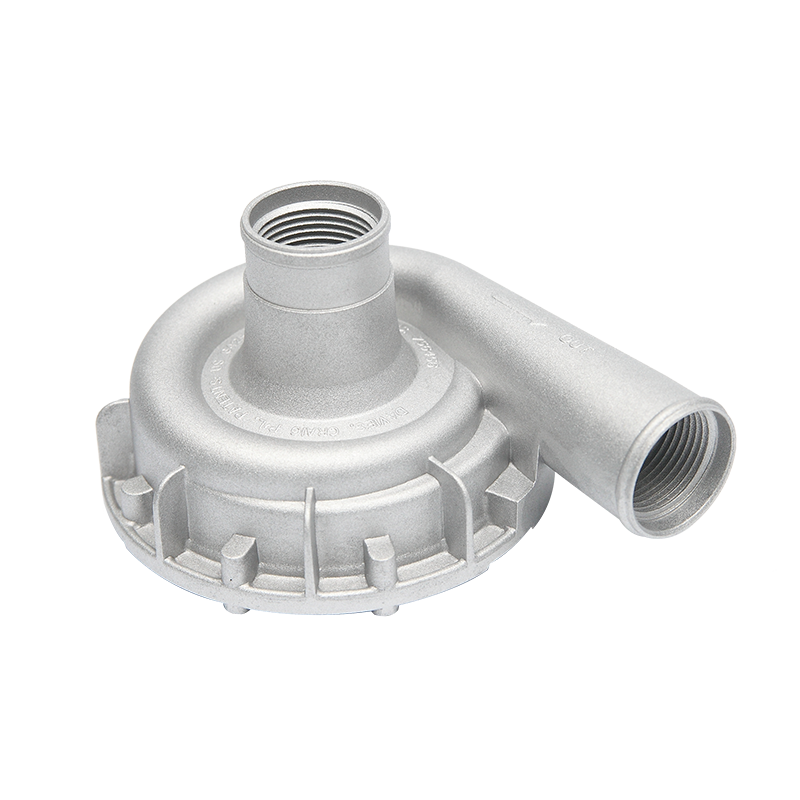
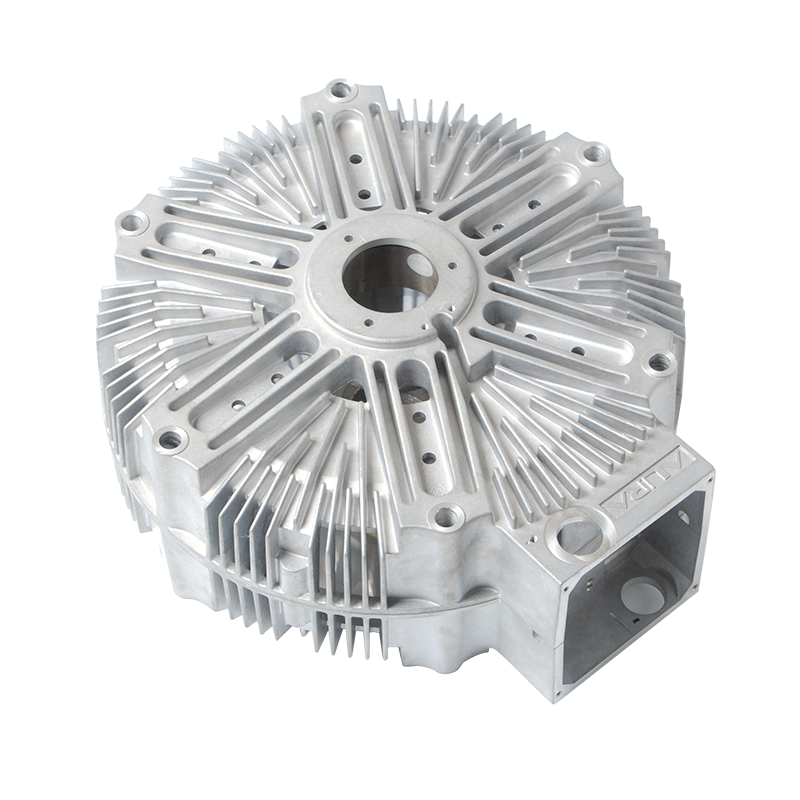
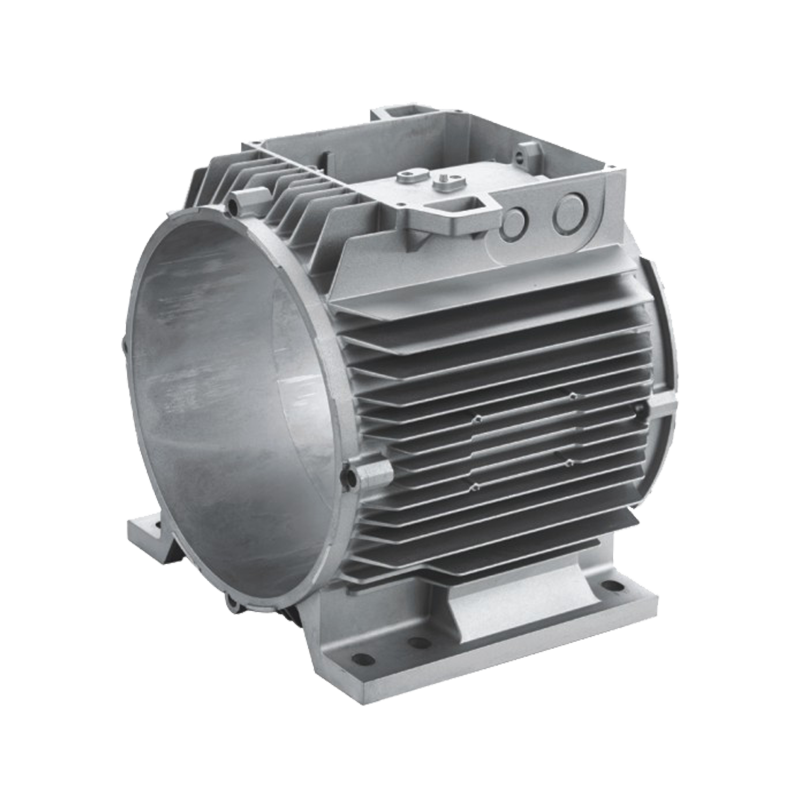
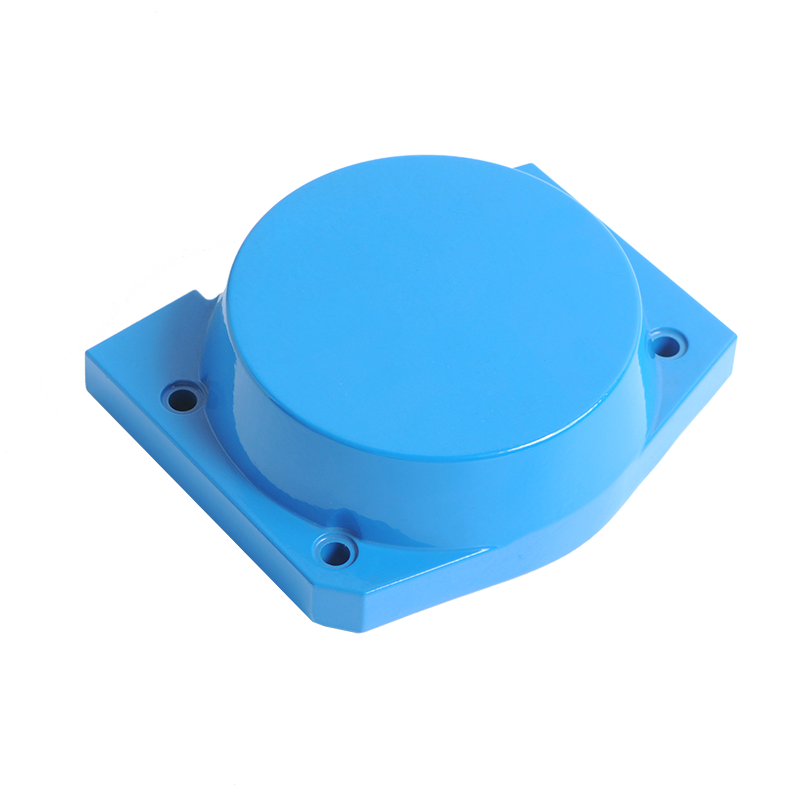
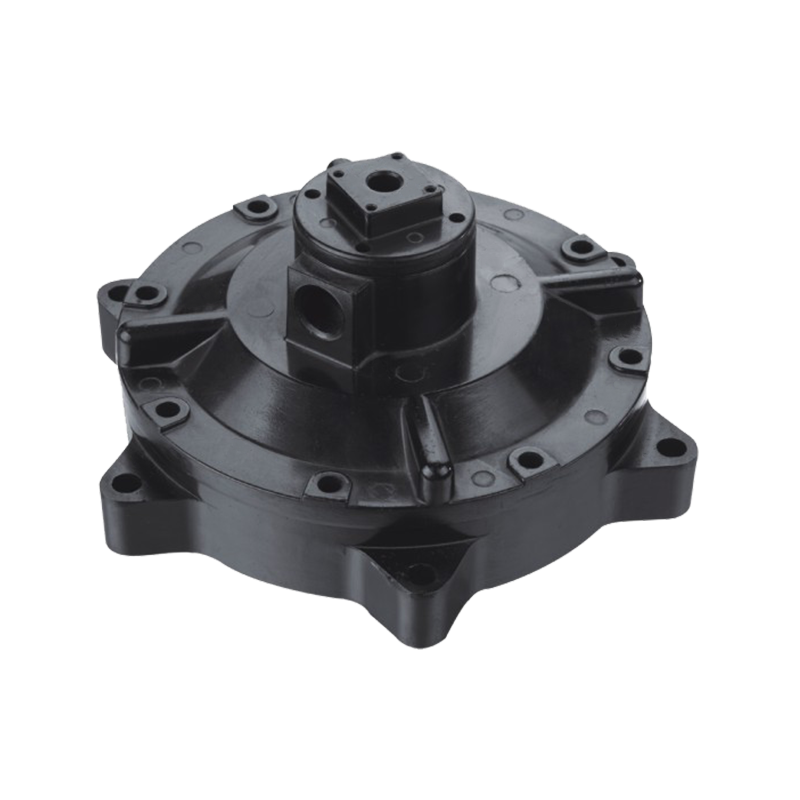
Structural problems with gearbox housings usually stem from design flaws, improper material selection, or insufficient manufacturing processes. The following are the three most common categories of problems:
This is the most common and easily overlooked structural problem. Due to poor gas venting during aluminum die casting, tiny pores may form inside the housing (as shown in the image), directly affecting the sealing and strength of the gearbox oil pan.
Typical symptoms: Abnormal drop in gearbox oil level, oil leakage from the oil pan. Porosity can cause the hydraulic system to fail to maintain pressure, and even lead to gear engagement failure due to insufficient oil pressure during high-load operation.
The gearbox housing needs to withstand the torque and impact loads transmitted from the engine. If the internal cavity structure of the housing is poorly designed (e.g., the inner cavity is too thin, insufficient reinforcing ribs), or stress concentration occurs in welded areas (such as gear bearing housings), the gearbox is highly susceptible to cracking or deformation under high loads.
Typical symptoms: Abnormal noise (usually a metallic friction sound), a jarring sensation, or severe vibration during transmission operation. This structural strength problem is often caused by excessive localized stress due to internal design flaws in the housing.
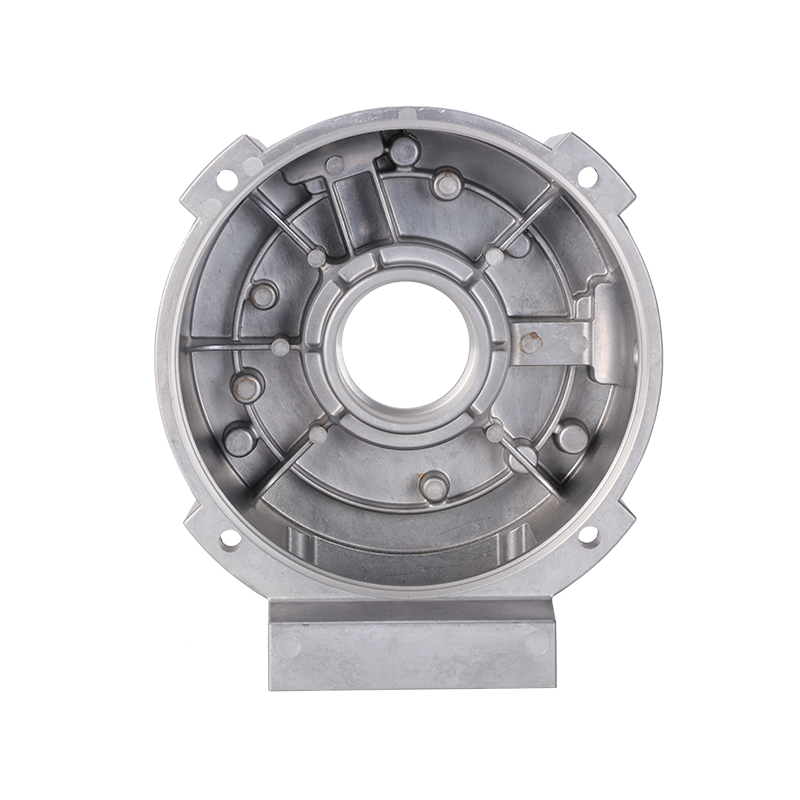
Technological innovation: Excellent housing design incorporates reinforcing ribs between the internal cavities to enhance housing strength, and magnets are placed at the bottom of the internal cavities to collect gear debris, preventing damage to gear life.
The fit precision between the housing and other transmission components (such as bearings and gears) is crucial. Inaccurate internal dimensions, resulting in excessively large or small installation clearances, can lead to poor lubrication or premature bearing failure.
Typical symptoms: "No response when shifting gears" or "slippage" during transmission operation. Excessive clearance causes lubricating oil to be thrown out at high speeds, leading to poor lubrication and clutch plate burnout; insufficient clearance can cause bearing seizure.
ARE YOU READY TO COOPERATE WITH jieda?
* Your email is safe with us, we don’t spam.

PRODUCTS
CONTACT INFO
nbjd011@126.com
+86-574-86115705
No. 58 Mould Road, Daqi Technology Industrial Zone, Beilun District, Ningbo

 English
 Español
 italiano