Content
It's difficult to give a precise price for a die casting mold. It's like buying a car; the price difference between a small passenger car and a large cargo truck is enormous.
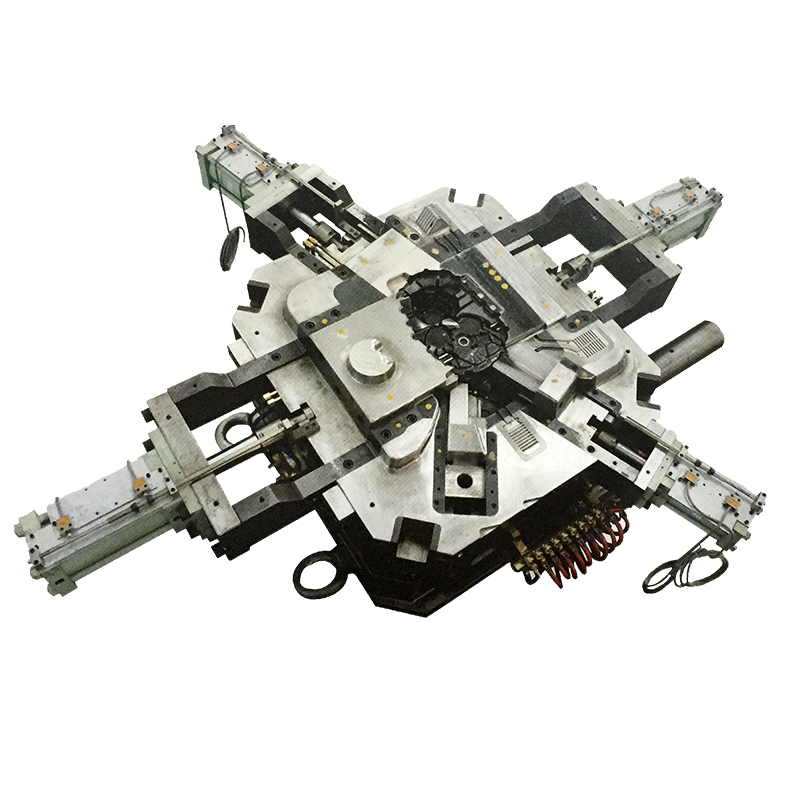
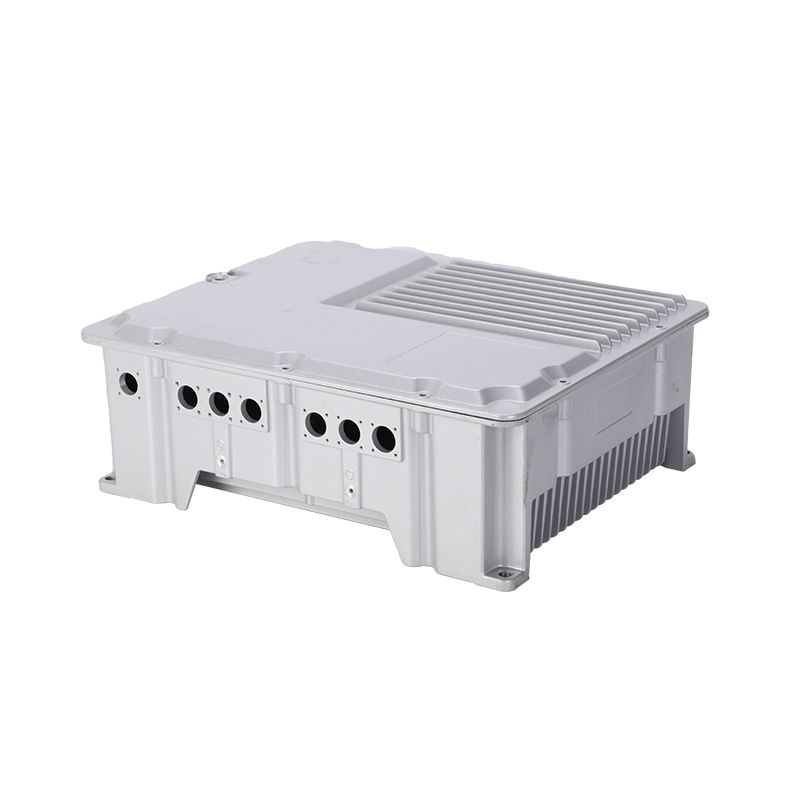
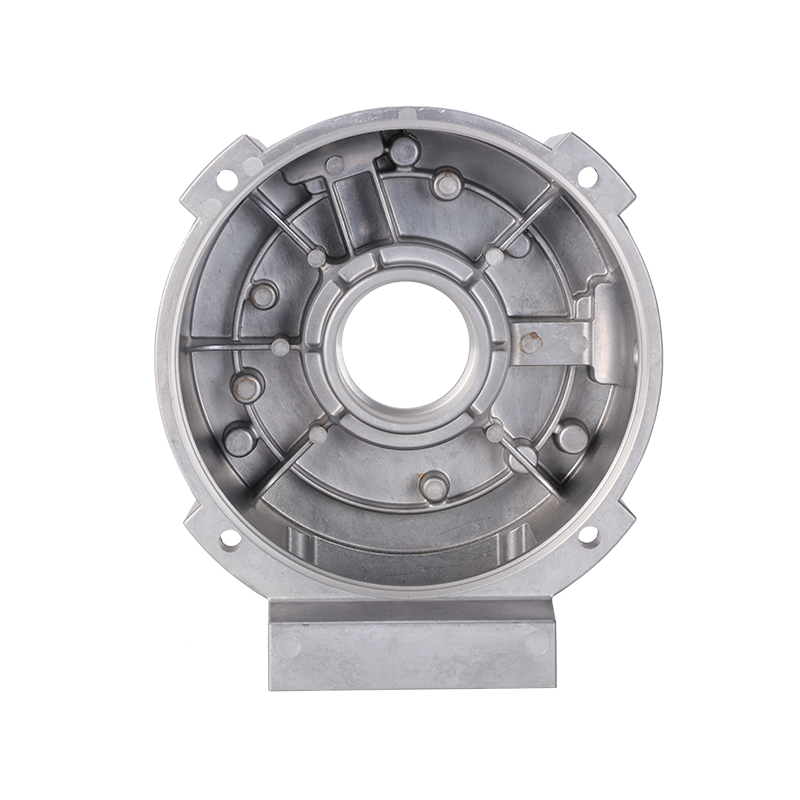
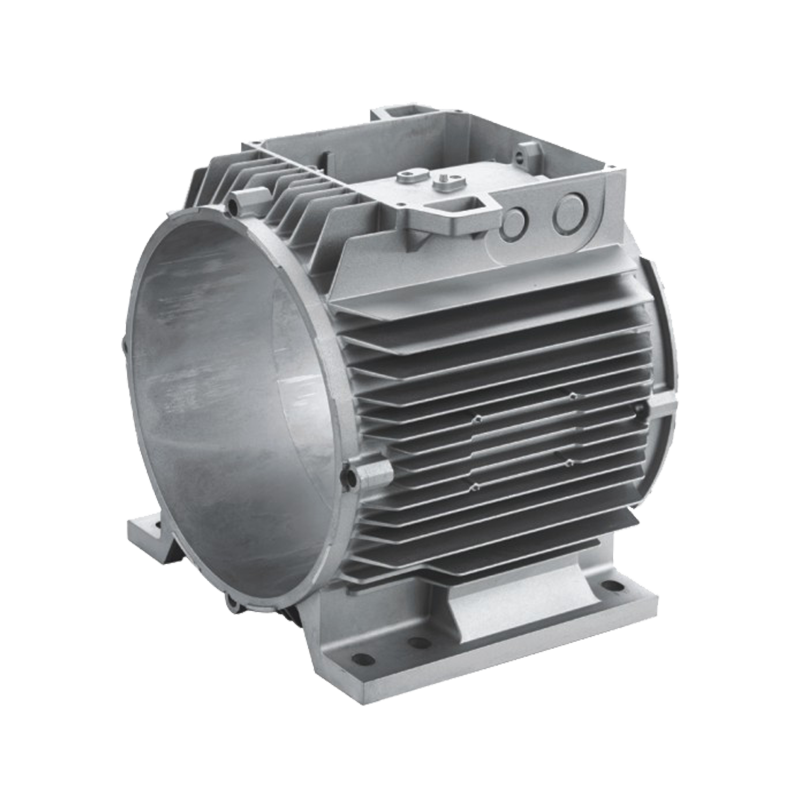
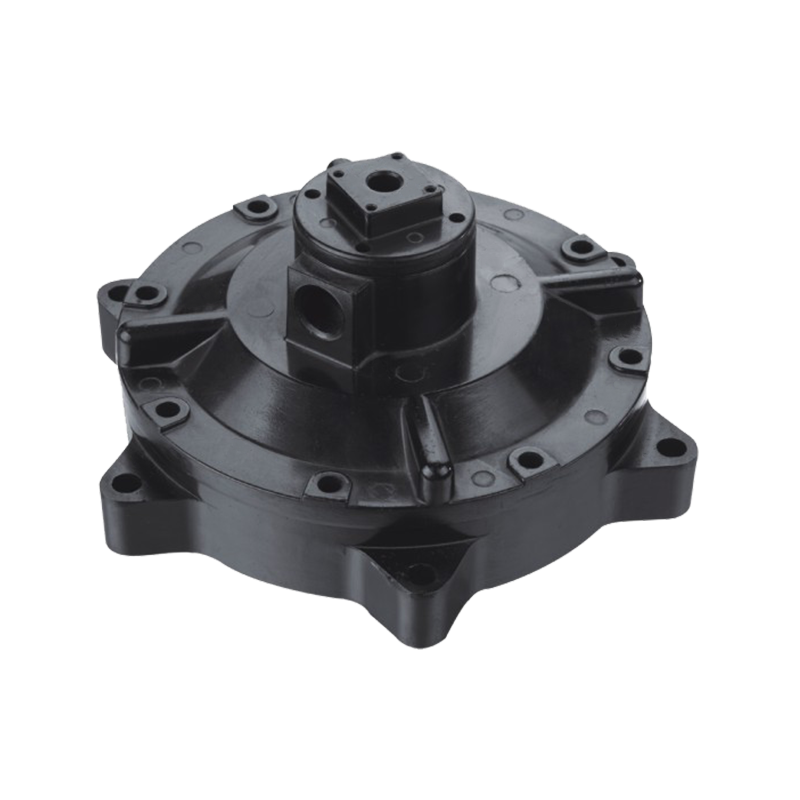
The size of the mold directly determines the material cost. If your product is just a coin-sized part, the mold can be made from a few small pieces of steel; but if you're making a car engine block or a large filter housing, the mold might be larger than an office desk. The larger the size, the more high-grade mold steel is consumed, and the price naturally increases.
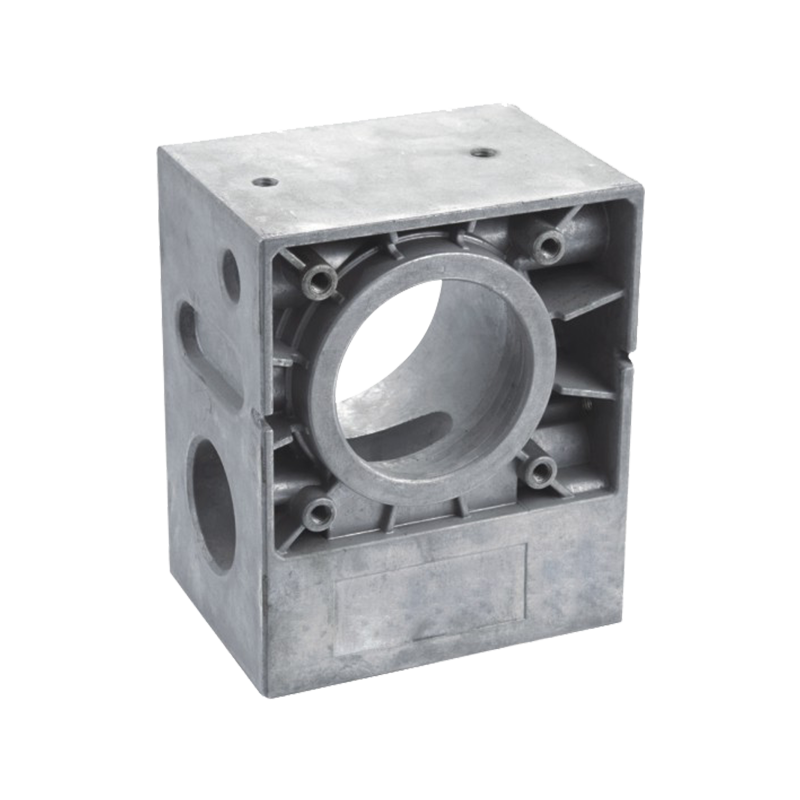
If the product has a regular shape, the mold can be formed with a simple two-part design, resulting in a more affordable price.
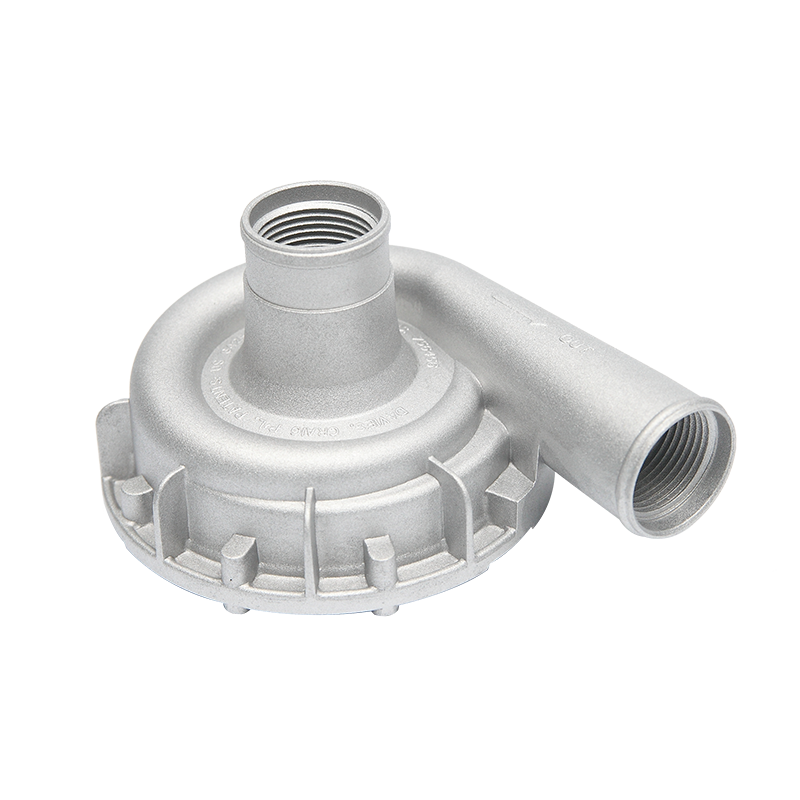
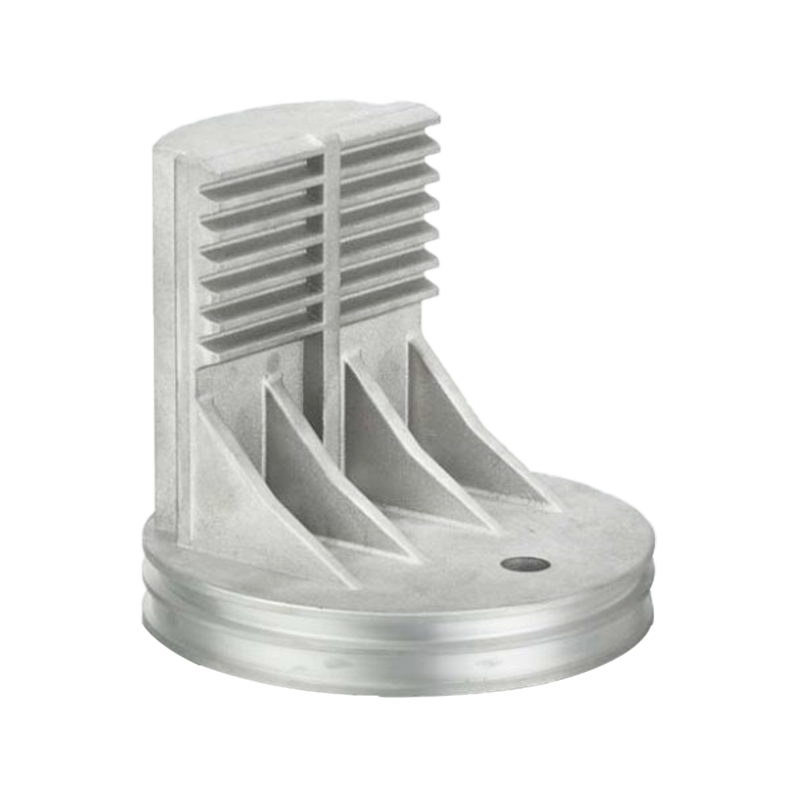
Core pulling structure: If the product has many side holes, grooves, or undercuts, the mold will need to incorporate "core pulling" mechanisms (metal blocks that automatically move in and out), which makes the mold structure very complex.
Detail requirements: The finer the patterns and the more text on the product, the more intricate the machining work, and the higher the cost.
To improve production efficiency, a die casting mold can be designed for "one-out" (producing one part at a time), or "four-out," or even more.
More cavities mean carving more identical models on the same piece of steel, doubling the machining work, and significantly increasing the mold cost. However, the benefit is that the cost per part will be lower during mass production.
The mold must withstand repeated flushing with high-temperature molten metal at several hundred degrees Celsius and also withstand immense pressure.
If you only need to produce a few thousand products, you can use slightly more ordinary steel.
If you plan to produce hundreds of thousands of products, you must use top-grade, high-performance hot-work mold steel, combined with sophisticated heat treatment processes. This "durable" steel is usually several times more expensive than ordinary materials.
If the part is located inside a machine and not visible, a slightly rough surface is acceptable; however, if it's the casing of an electronic product requiring a mirror-like finish or a special texture, then the polishing and finishing costs of the mold will account for a significant portion of the total cost.
Some molds are "single-use" emergency molds, while others are "long-life" molds designed to operate continuously for several years. High-lifespan molds require more investment in the initial design phase, such as incorporating better cooling systems and using more wear-resistant components, all of which represent significant financial outlays.
ARE YOU READY TO COOPERATE WITH jieda?
* Your email is safe with us, we don’t spam.

PRODUCTS
CONTACT INFO
nbjd011@126.com
+86-574-86115705
No. 58 Mould Road, Daqi Technology Industrial Zone, Beilun District, Ningbo

 English
 Español
 italiano