Content
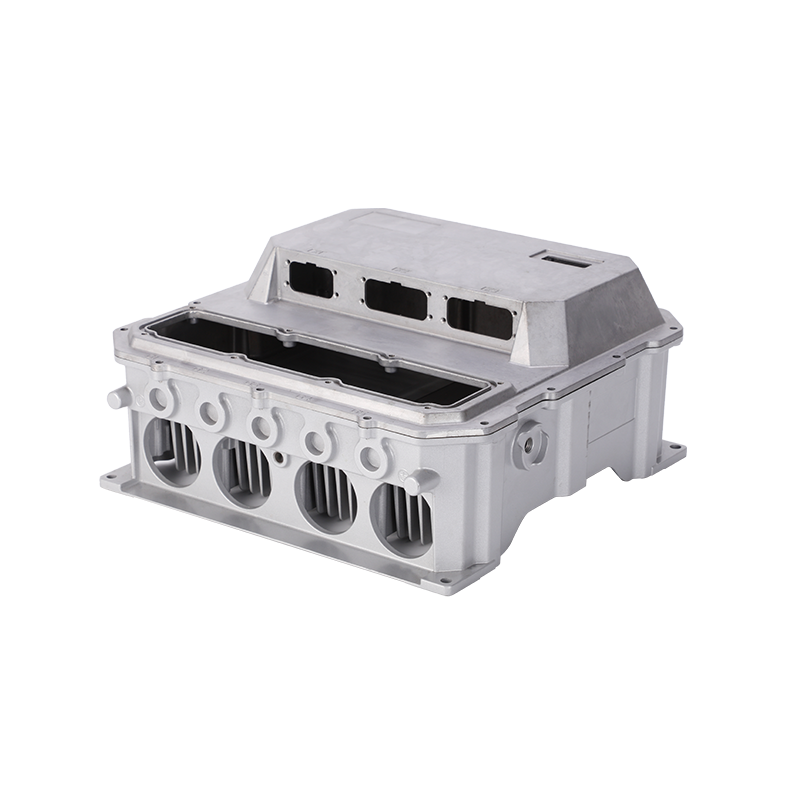
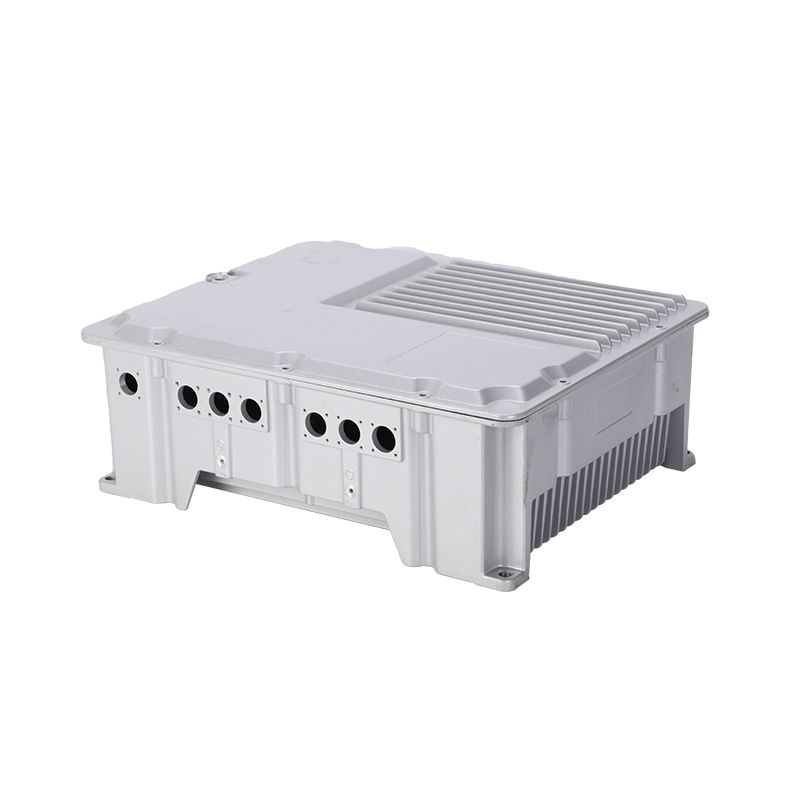
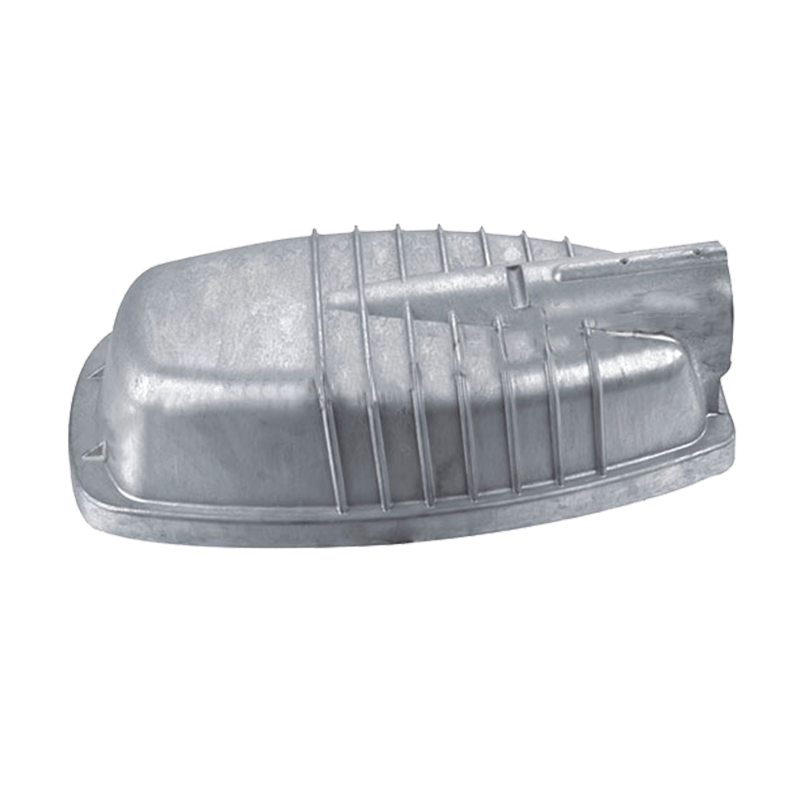
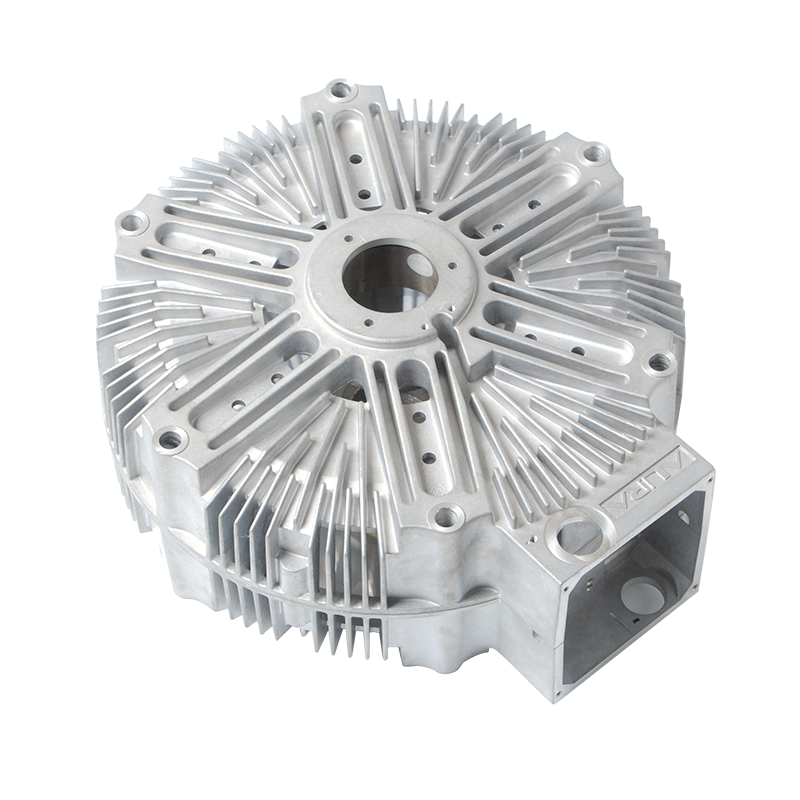
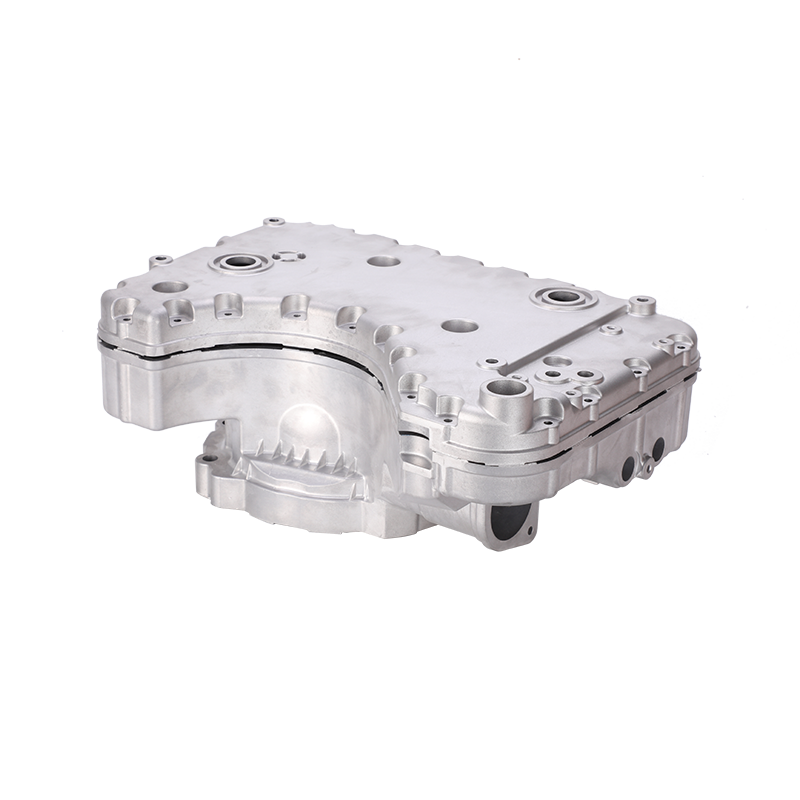
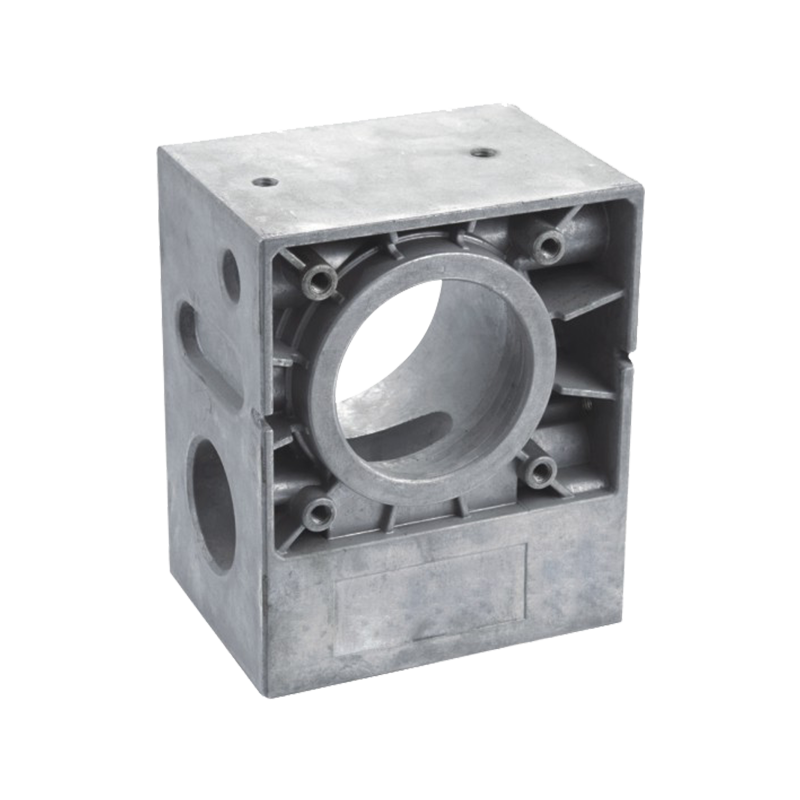
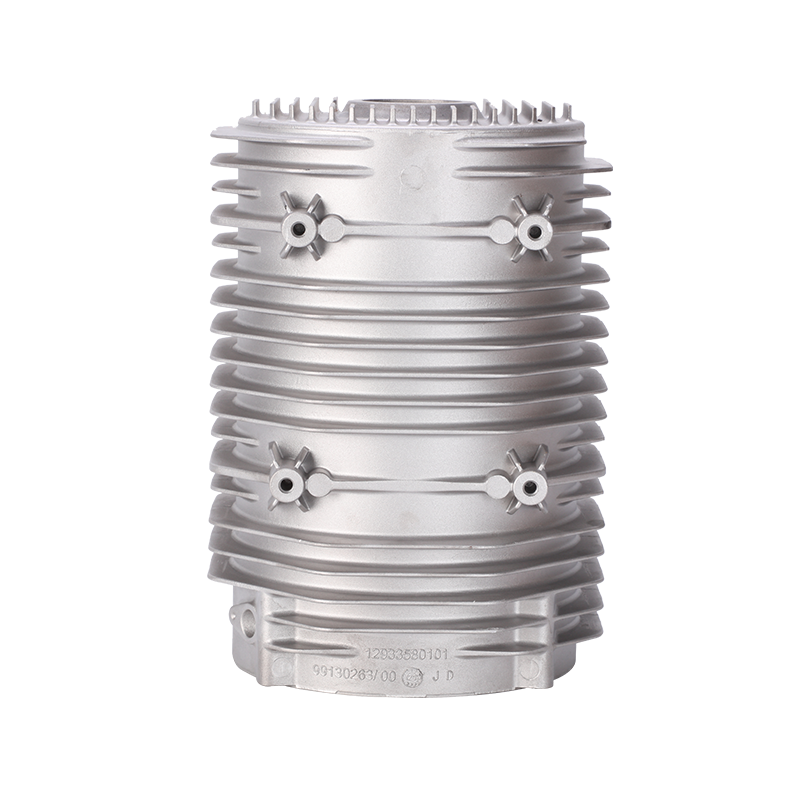
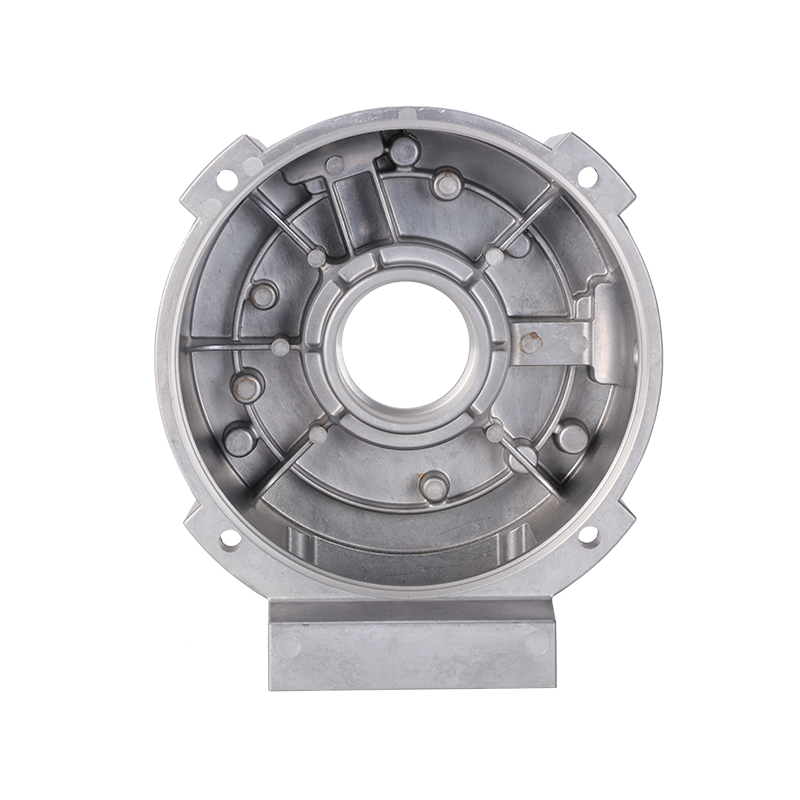
The design of die-cast automotive parts requires a meticulous balance across four aspects: material selection, structural optimization, heat treatment, and surface treatment, to achieve a unity of high strength and machinability.
Application of High-Strength Alloys: Selecting aluminum alloys containing appropriate amounts of silicon (Si) or magnesium (Mg) (such as ADC12, A380) enhances the tensile strength and hardness of the material, thereby meeting automotive safety standards.
Low Hot Cracking Tendency: Optimizing silicon content reduces material shrinkage, minimizing the risk of hot cracking during casting and improving overall molding quality.
Enhanced Corrosion Resistance: Adding zinc (Zn) or copper (Cu) to the alloy enhances the aluminum alloy's corrosion resistance, extending the service life of the parts.
Wall Thickness Uniformity: Through reasonable draft angle design, controlling the ratio of the maximum to minimum wall thickness of the part (recommended to be within 1.8) avoids warping and cracking caused by uneven thermal stress.
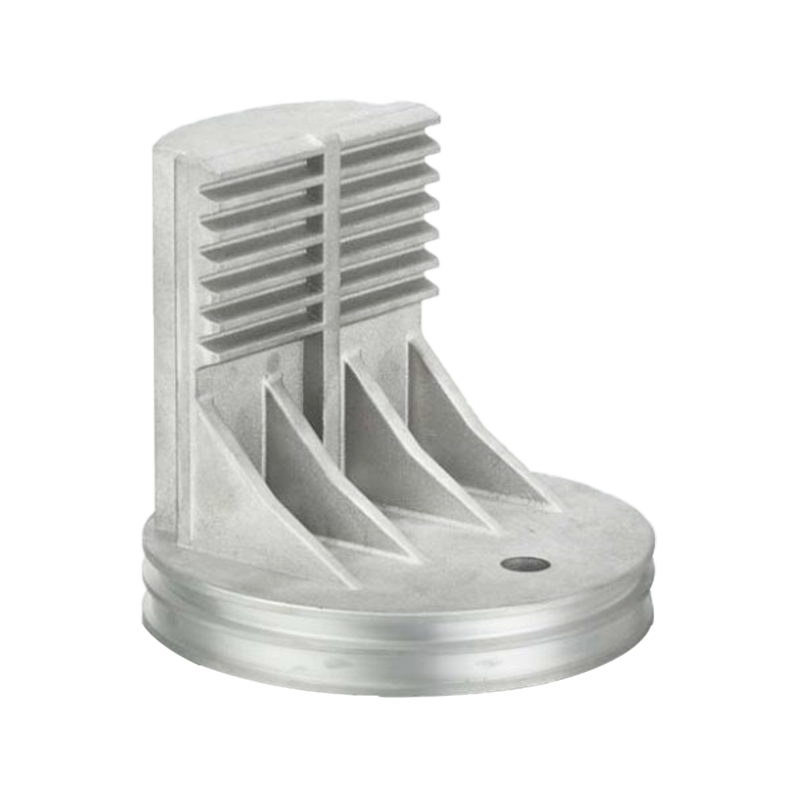
Stress Distribution Optimization: Reinforcing ribs or structural reinforcements are designed at critical stress points to resist impact and vibration loads in the working environment, thereby improving strength.
Cooling System Design: Finite element analysis (FEA) simulation is used to rationally arrange cooling holes and runners, ensuring uniform temperature distribution in the casting and reducing residual stress.
T6 Heat Treatment: Solution treatment and artificial aging significantly improve the strength and hardness of the aluminum alloy.
Stress Relief: Low-temperature annealing is performed after forming to reduce internal stress and prevent deformation of the casting during later processing or use.
Heat Treatment Parameter Control: Strict control of heating and cooling rates and holding times ensures uniformity and repeatability of heat treatment.
Surface Hardening: Anodizing or hard anodizing processes are used to improve the surface hardness and wear resistance of parts, suitable for high-wear applications such as engine components.
Precision Machining: For critical dimensions requiring high strength, secondary machining is performed using a high-precision CNC machining center to ensure dimensional accuracy and surface quality.
Lubrication and Residue Removal: An appropriate amount of release agent is added during the die-casting process to reduce mold adhesion, improve the surface finish of the casting, and reduce the amount of subsequent grinding work.
ARE YOU READY TO COOPERATE WITH jieda?
* Your email is safe with us, we don’t spam.

PRODUCTS
CONTACT INFO
nbjd011@126.com
+86-574-86115705
No. 58 Mould Road, Daqi Technology Industrial Zone, Beilun District, Ningbo

 English
 Español
 italiano