Content
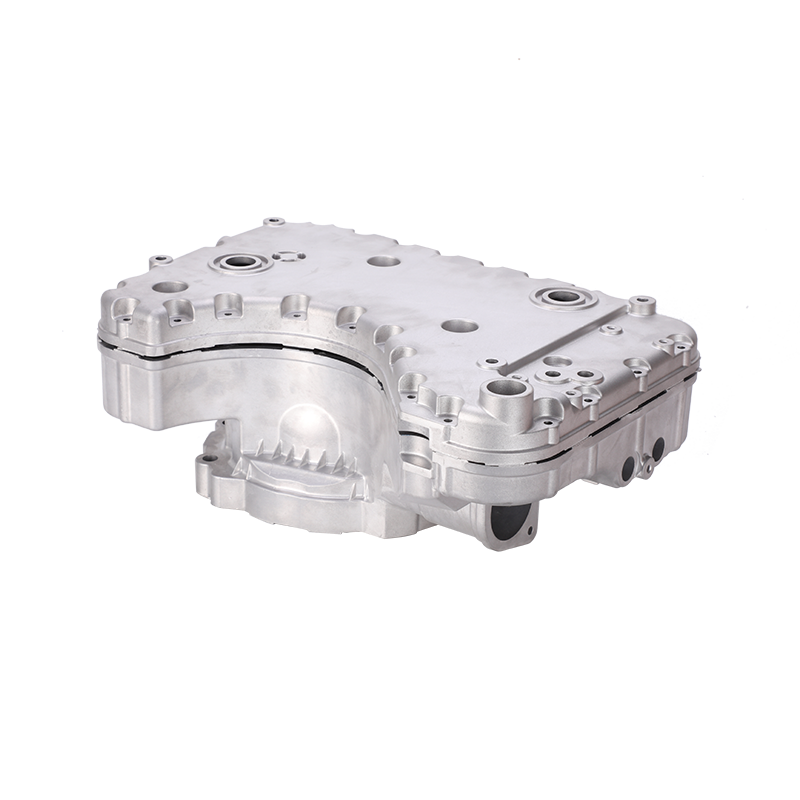
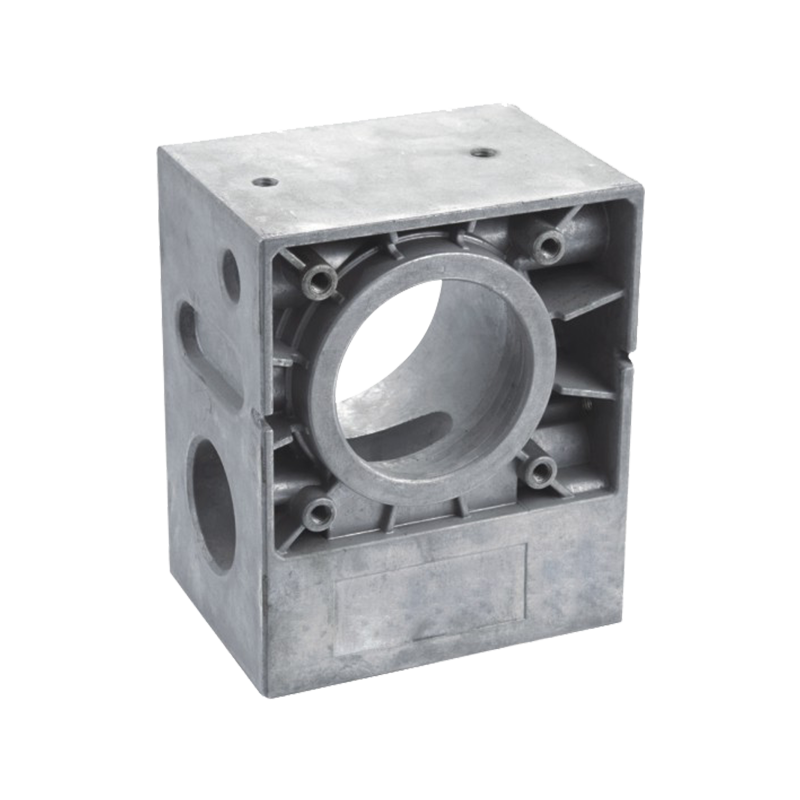
Gearbox failures manifest in various ways. Accurately locating a Gearbox housing problem requires considering the following dimensions:
This is the most direct method. Since pores and aging seals are core housing problems, inspecting the gearbox exterior often directly reveals the issue.
Judgment Basis: Observe whether there is oil seepage from the gearbox housing or oil pan. If oil traces are found at the seals, it may be due to aging seals or pinholes in the housing itself causing oil pressure to be unstable.
Internal pores and welding quality problems are not visible to the naked eye and must be detected using specialized tools.
Judgment Criteria: Use a flaw detector (such as X-ray or ultrasonic flaw detector) to inspect the housing. If unfused pores or weld defects are found inside the housing, it confirms a quality problem with the housing itself.
By analyzing the noise characteristics and temperature changes during transmission operation, it can be determined whether there are insufficient structural strength or lubrication system problems.
Judgment Criteria: If the transmission produces obvious metallic friction sounds (abnormal noise) at high speeds or during gear shifting, accompanied by an abnormal temperature rise, it usually indicates insufficient strength due to improper housing structural design or lubrication oil passage flow resistance problems.
If no problems are found in the appearance and flaw detection, the transmission needs to be disassembled for precise comparison.
Judgment Criteria: After disassembly, measure key dimensions such as the internal dimensions of the housing and bearing housing clearances. If deviations are found compared to the original design drawings (such as being too thick or too thin), it indicates a failure caused by housing machining accuracy issues.
ARE YOU READY TO COOPERATE WITH jieda?
* Your email is safe with us, we don’t spam.

PRODUCTS
CONTACT INFO
nbjd011@126.com
+86-574-86115705
No. 58 Mould Road, Daqi Technology Industrial Zone, Beilun District, Ningbo

 English
 Español
 italiano