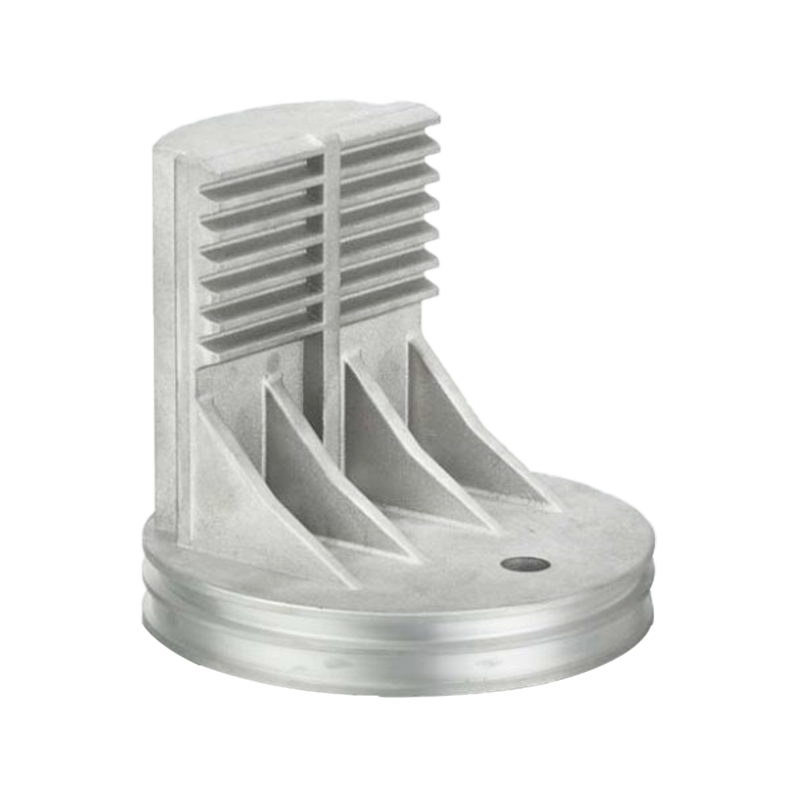
1. Direct Impact of Heat Dissipation on Transmission Efficiency
Increased temperature reduces lubricating oil viscosity, leading to a thinner oil film and an increased coefficient of friction on gear surfaces, thus decreasing transmission efficiency. Studies show that for every 10°C increase in lubricating oil temperature, transmission efficiency can decrease by approximately 1%–2%.
High temperatures accelerate oil oxidation, deteriorating oil viscosity and anti-wear properties, affecting gear meshing accuracy, and further increasing power loss.
2. Systemic Problems Caused by Insufficient Heat Dissipation
Power Limitation: When the oil temperature in Gearbox Housings exceeds the design limit, the control system automatically reduces output power to prevent damage, directly reducing equipment efficiency.
Shortened Lifespan: For every 10°C increase in oil temperature, oil lifespan is approximately halved, leading to more frequent maintenance and replacement, indirectly increasing downtime and reducing overall productivity.
3. Technical Pathways for Optimizing Heat Dissipation to Improve Transmission Efficiency
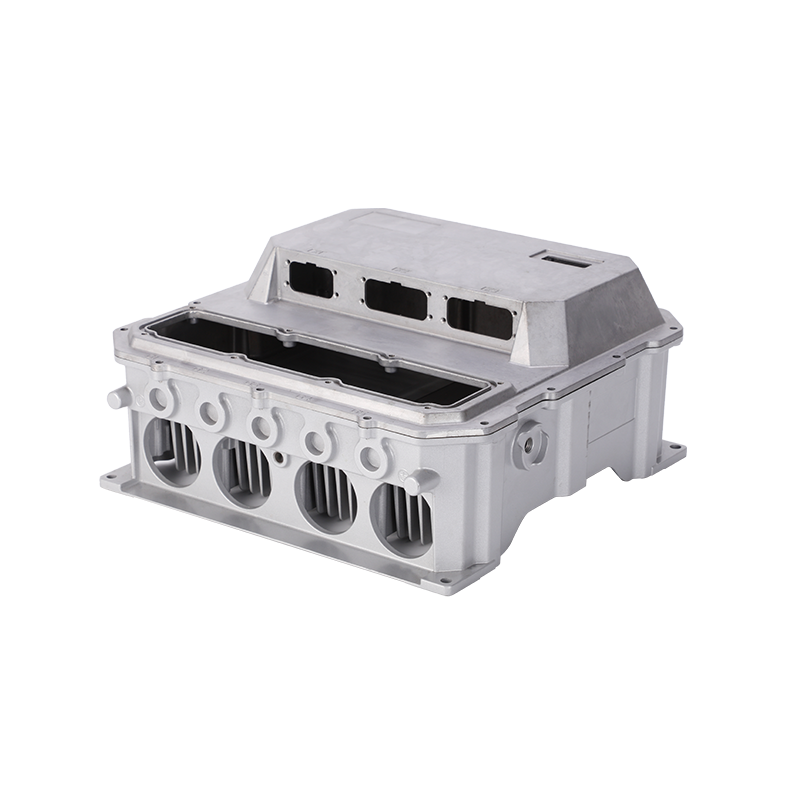
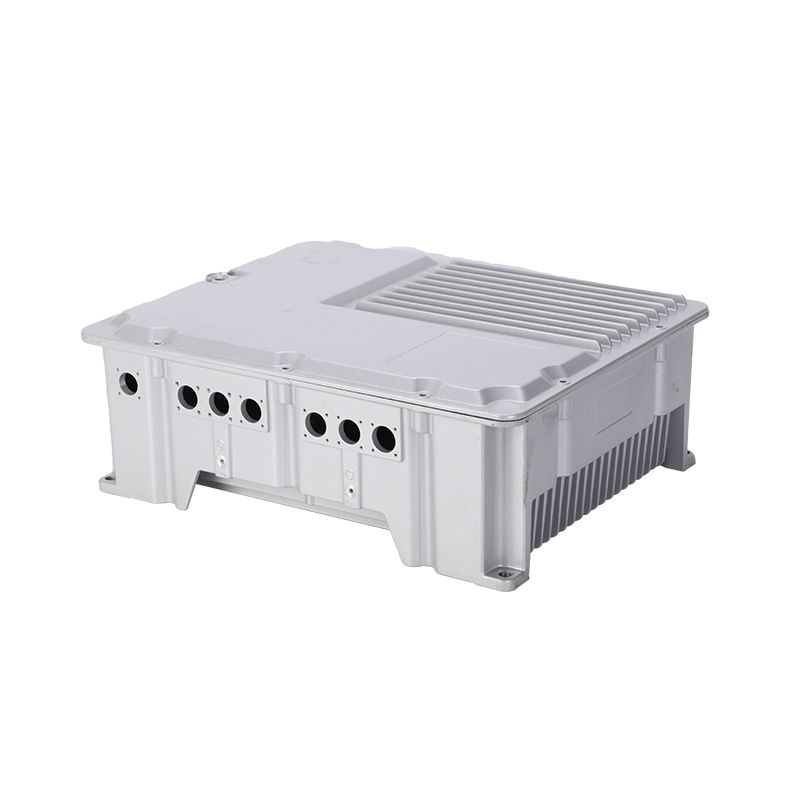
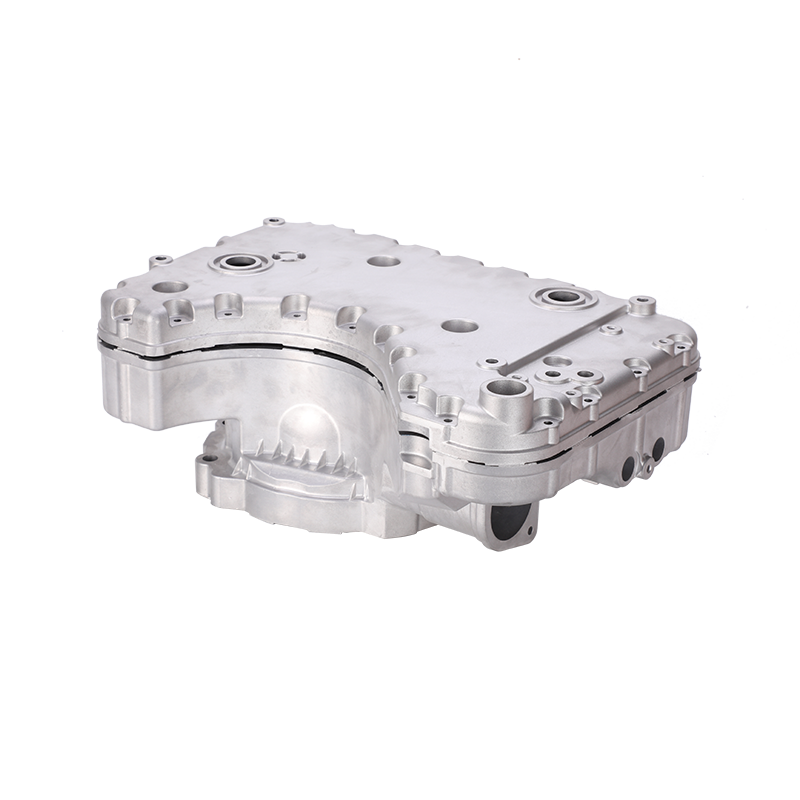
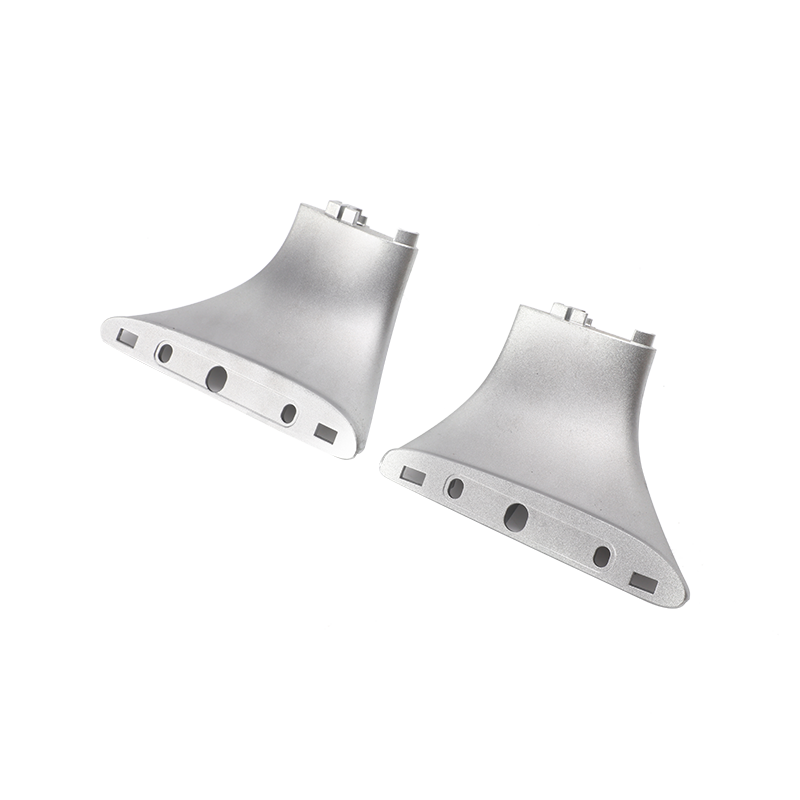
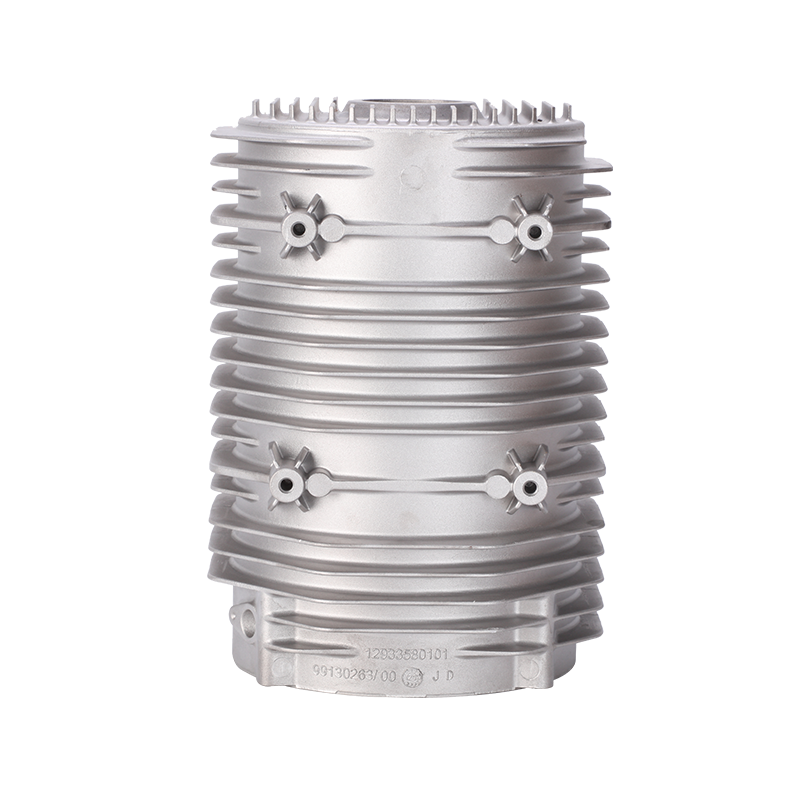
Increasing Housing Surface Area: Using a die-cast aluminum housing inherently possesses good thermal conductivity; increasing the heat dissipation area of the housing can effectively reduce oil temperature.
Active cooling system: Large fans or new air deflectors are added to the exterior of Gearbox Housings to improve forced convection cooling efficiency, commonly seen in high-power gearbox designs.
Low-temperature design parameters: Selecting housing models with lower maximum allowable oil temperatures allows for lower operating temperatures under the same conditions, extending oil change intervals and improving reliability.
4. Ningbo Jieda's advantages in heat dissipation design:
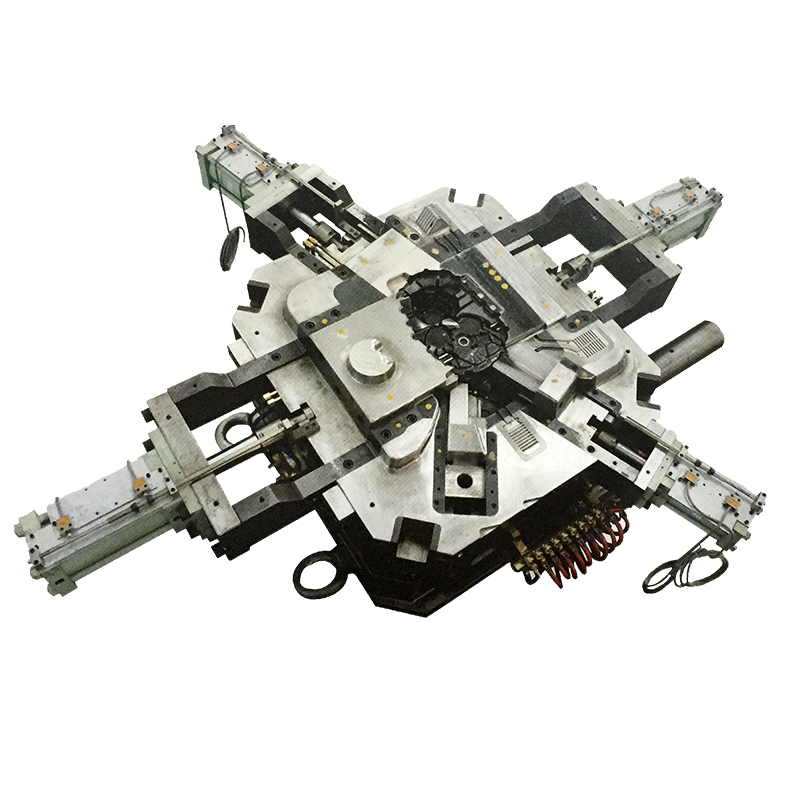
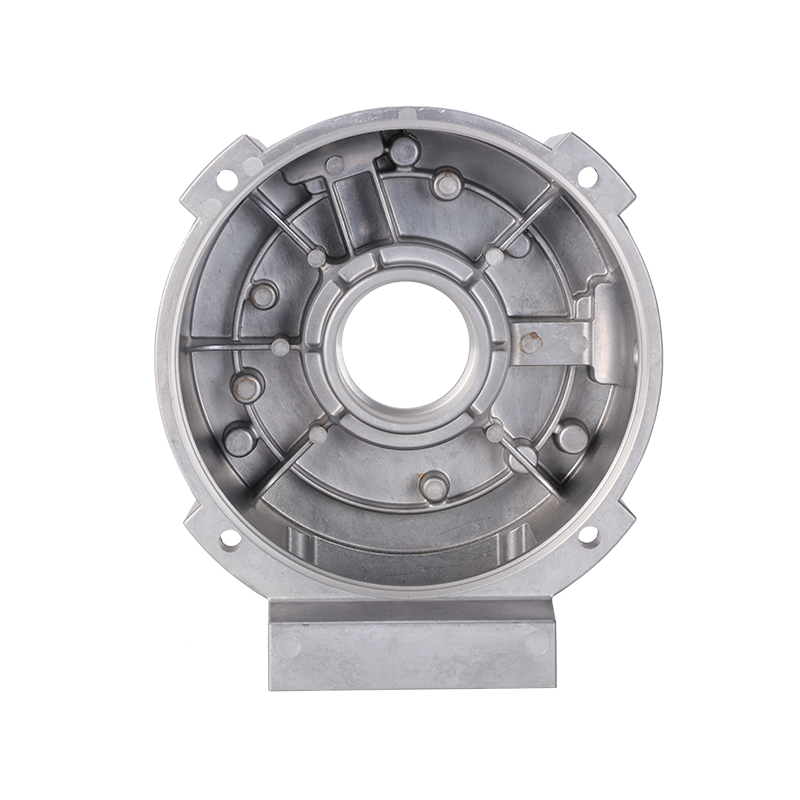
High-precision aluminum die-casting technology: The company possesses over 80 high-pressure aluminum die-casting machines, enabling one-time molding of complex housing structures, ensuring uniform wall thickness and excellent thermal conductivity.
Complete thermal management solution: Integrating non-contact labyrinth seals, large fans, and air deflectors into the product, the internal oil temperature is controlled below 75℃, ensuring a transmission efficiency >97.5%.
R&D strength: Equipped with a CAD/CAE simulation platform, numerical simulations of housing heat dissipation are performed to predict thermal field distribution and optimize the structure in advance, significantly improving heat dissipation efficiency.
ARE YOU READY TO COOPERATE WITH jieda?
* Your email is safe with us, we don’t spam.

PRODUCTS
CONTACT INFO
nbjd011@126.com
+86-574-86115705
No. 58 Mould Road, Daqi Technology Industrial Zone, Beilun District, Ningbo

 English
 Español
 italiano